

Horizontal and Inclined Fall Arrest
Horizontal and Inclined Fall Arrest Dealers and Supplier
Horizontal and inclined fall arrest systems are specially engineered safety solutions designed to protect workers from falling while working at height on flat or sloped surfaces. These systems include lifelines, harnesses, and anchorage components that provide continuous mobility and reliable fall protection. Horizontal systems are ideal for rooftops, bridges, and walkways, while inclined systems suit ramps, tanks, and sloped installations. Safetywala Equipments LLP provides high-quality, certified fall arrest solutions that ensure worker safety, support compliance with international safety standards, and enhance operational efficiency across construction, maintenance, and industrial environments.
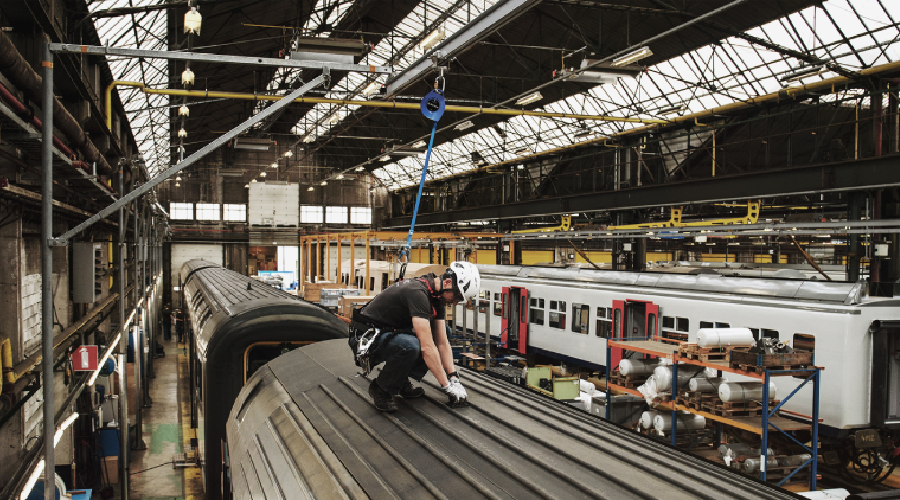 Safe Access fall arrest Rail System
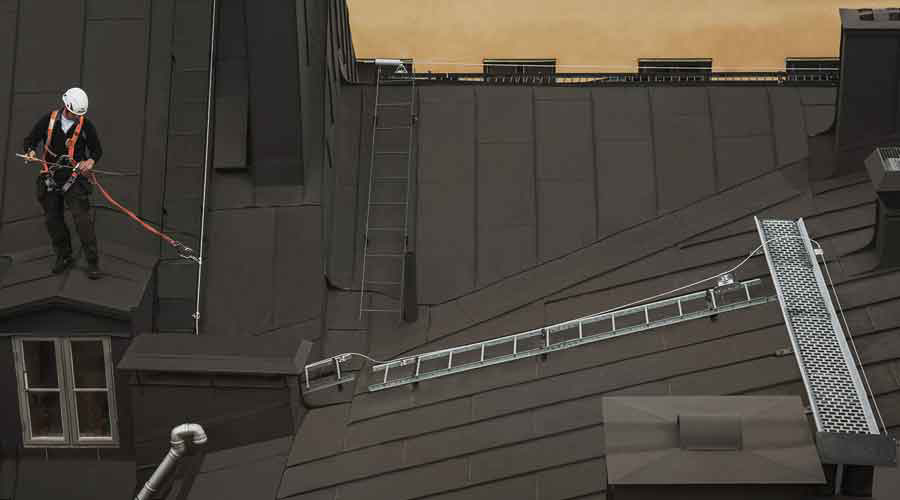 Secu Rope cable lifeline system on ground
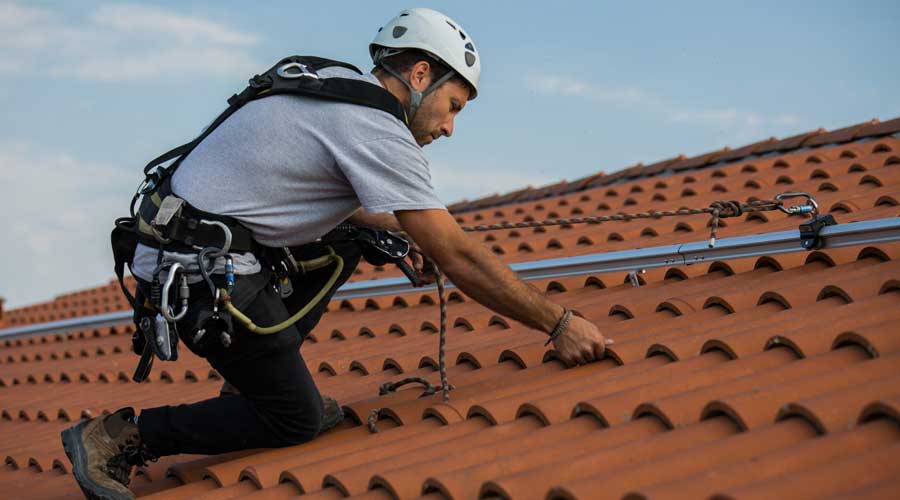 SecuRail 2016 lifeline rail system
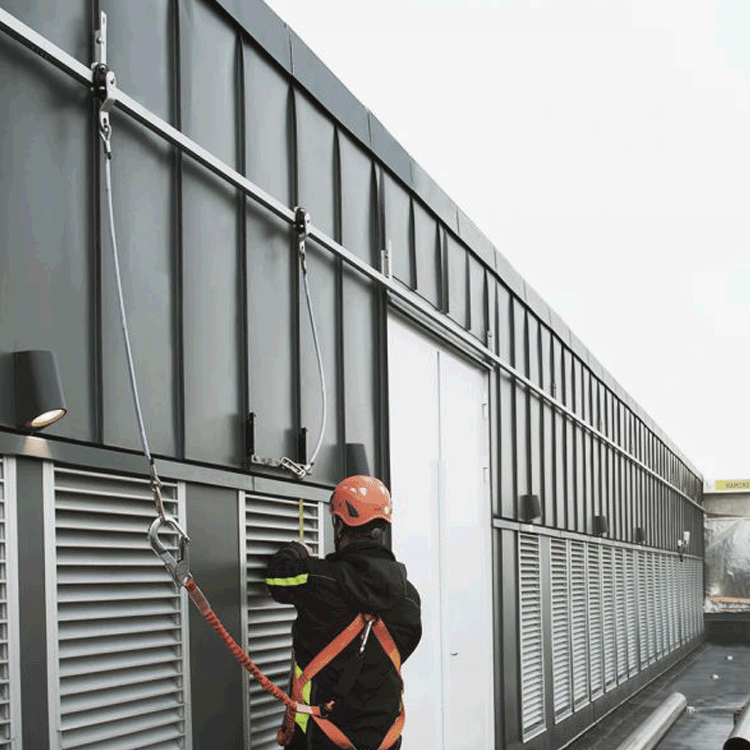 SecuRail lifeline rail system
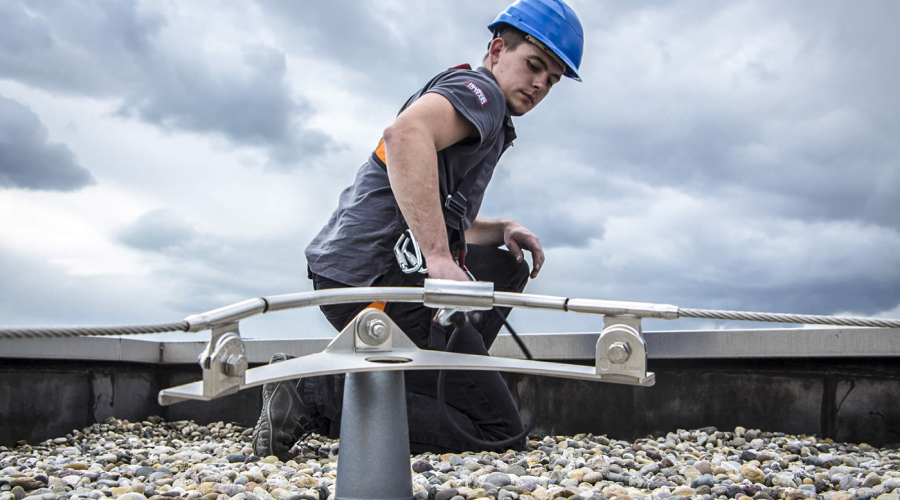 SecuRope cable lifeline system inclined
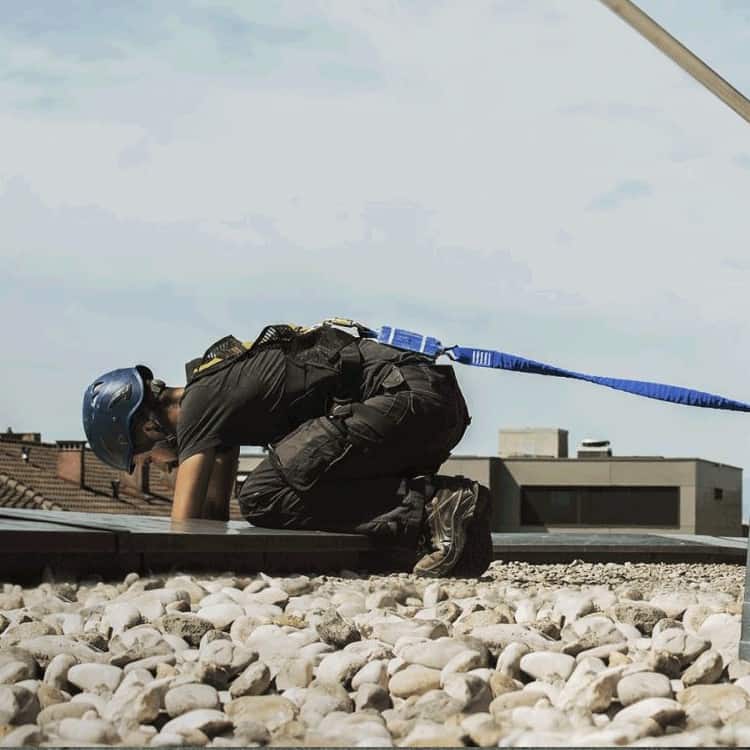 SecuRope cable lifeline system on DiaSafe post
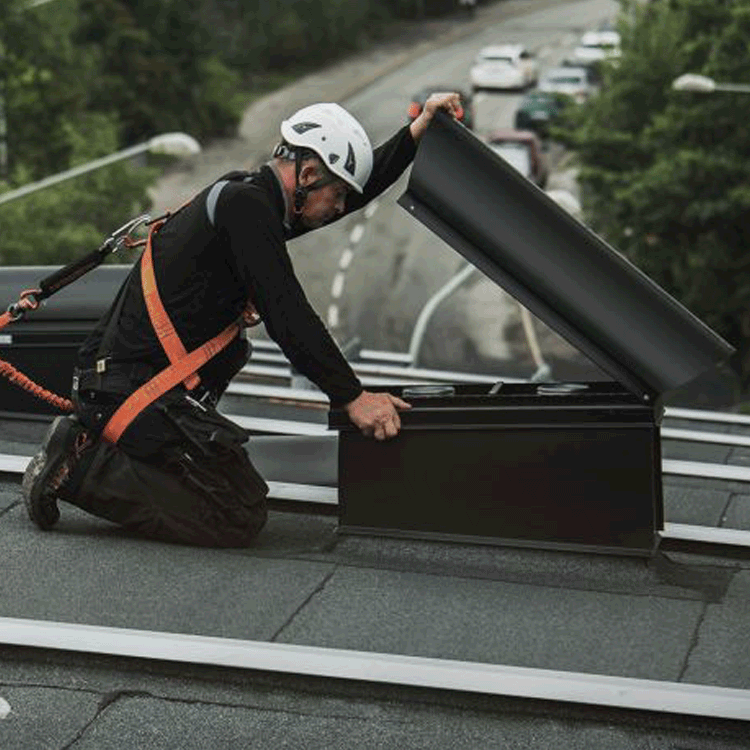 SecuRope cable lifeline system on hot deck roof
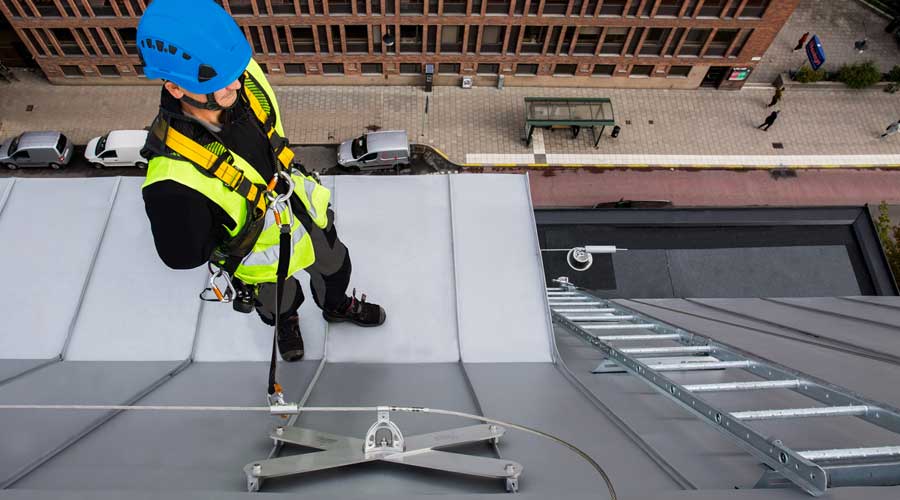 SecuRope cable lifeline system on standing seam roof
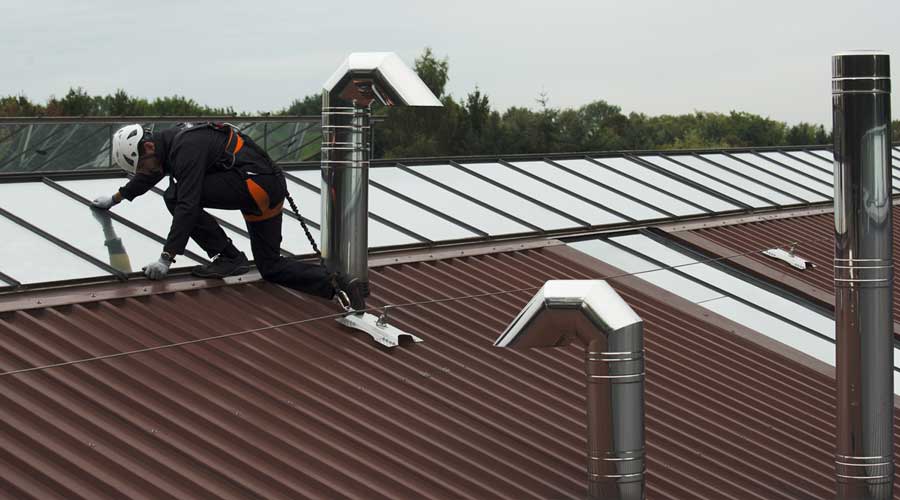 SecuRope Cable Lifeline System Overhead
Horizontal and Inclined Fall Arrest
Frequently Asked Questions
Quick answers to the questions buyers and EHS teams ask most about horizontal and inclined fall arrest. Need bulk pricing or a specific spec? Contact our team.
What is a horizontal and inclined fall arrest system?
A horizontal or inclined fall arrest system is a lifeline, usually a stainless cable or rail to EN 795 type C or D, fixed along a roof, gantry, bridge or ramp. A traveller runs along the line so a worker stays attached while moving. Inclined versions handle sloped access such as ramps and pitched roofs.
Which standard covers horizontal lifelines?
Horizontal lifelines are certified under EN 795, with type C covering flexible cable systems and type D covering rigid rail systems. The design must account for the number of simultaneous users, cable sag, and the resulting forces on the end and intermediate anchors. Buyers can request certification documents and engineered calculations for the installed system.
What should be considered when using a horizontal lifeline?
Consider cable deflection, fall clearance and pendulum swing. On a flexible line, the cable sags during a fall and increases the total fall distance, so verify the clearance below. Stay close to the line's path to avoid a dangerous swing fall against nearby structures. Only the certified number of workers should attach at once.
How often is a horizontal fall arrest system inspected?
A horizontal or inclined lifeline should be visually checked before each use and formally inspected and recertified by a competent installer at least annually. Inspectors check cable tension, end and intermediate anchors, energy absorbers and corrosion. Keep certification and inspection records for audits, and withdraw the system after it arrests a fall until re-checked.