

Lanyards For Safety Harness
Lanyards For Safety Harness Dealers and Supplier
Lanyards for Safety Harness are essential components of personal fall arrest systems, used to connect the safety harness to an anchor point or lifeline. Designed to absorb shock and restrict free fall distance, these lanyards ensure worker safety in elevated work environments. They are commonly used in construction, roofing, maintenance, and industrial sectors. At Safetywala Equipments LLP, we provide a wide range of high-quality, durable lanyards tested to international safety standards, offering both energy absorption and reliable performance under extreme conditions.
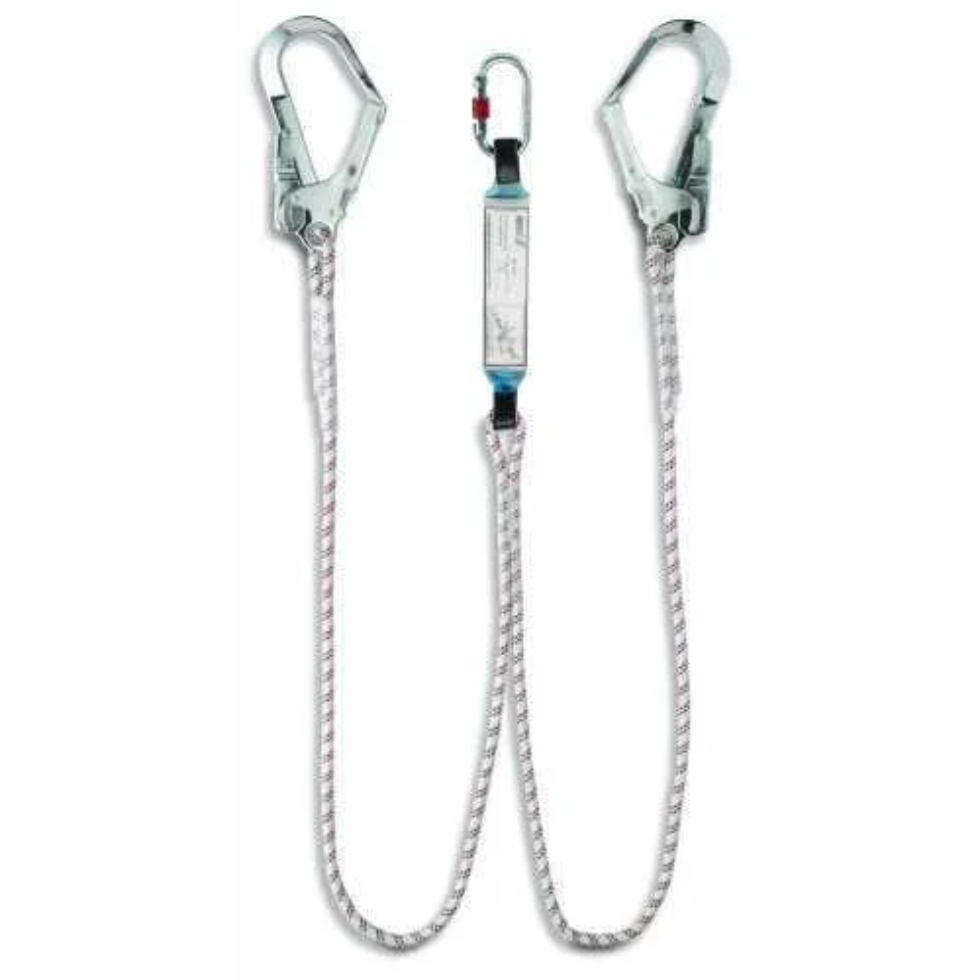 Easy Absorb BL 22
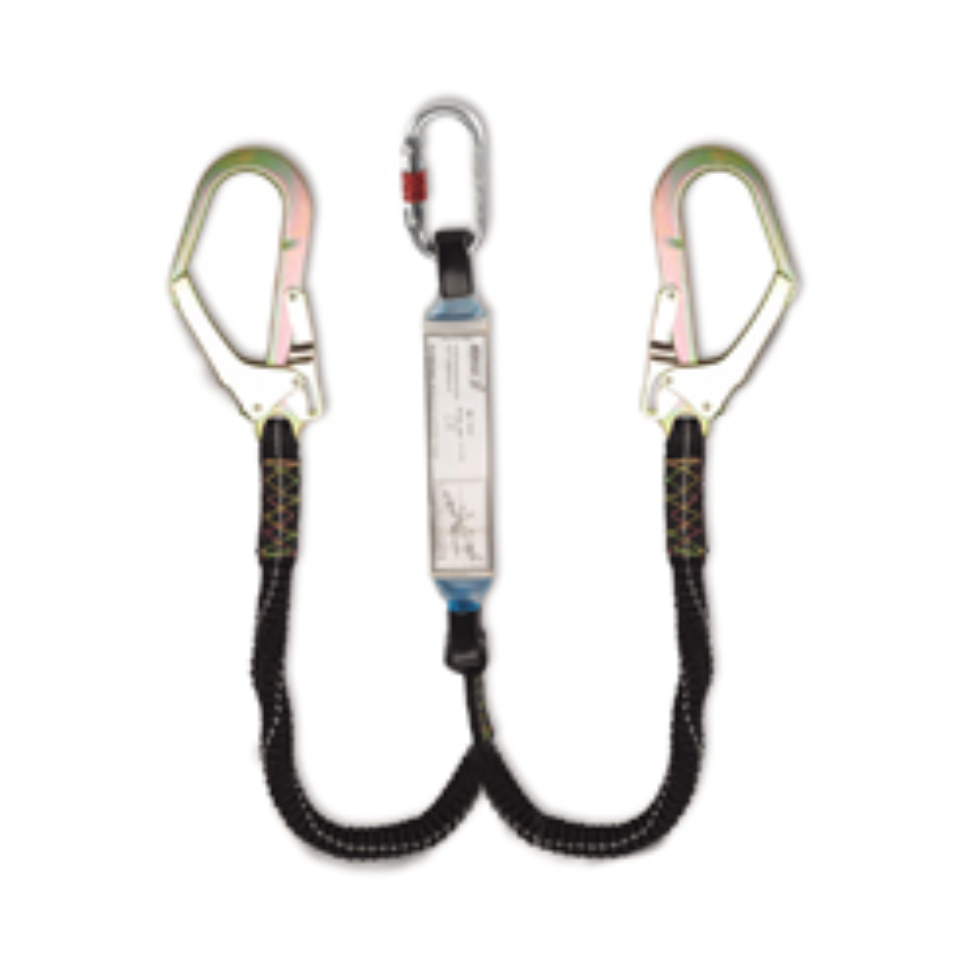 Easy Absorb El 22 Fall Arrest Double Elasticated Lanyard
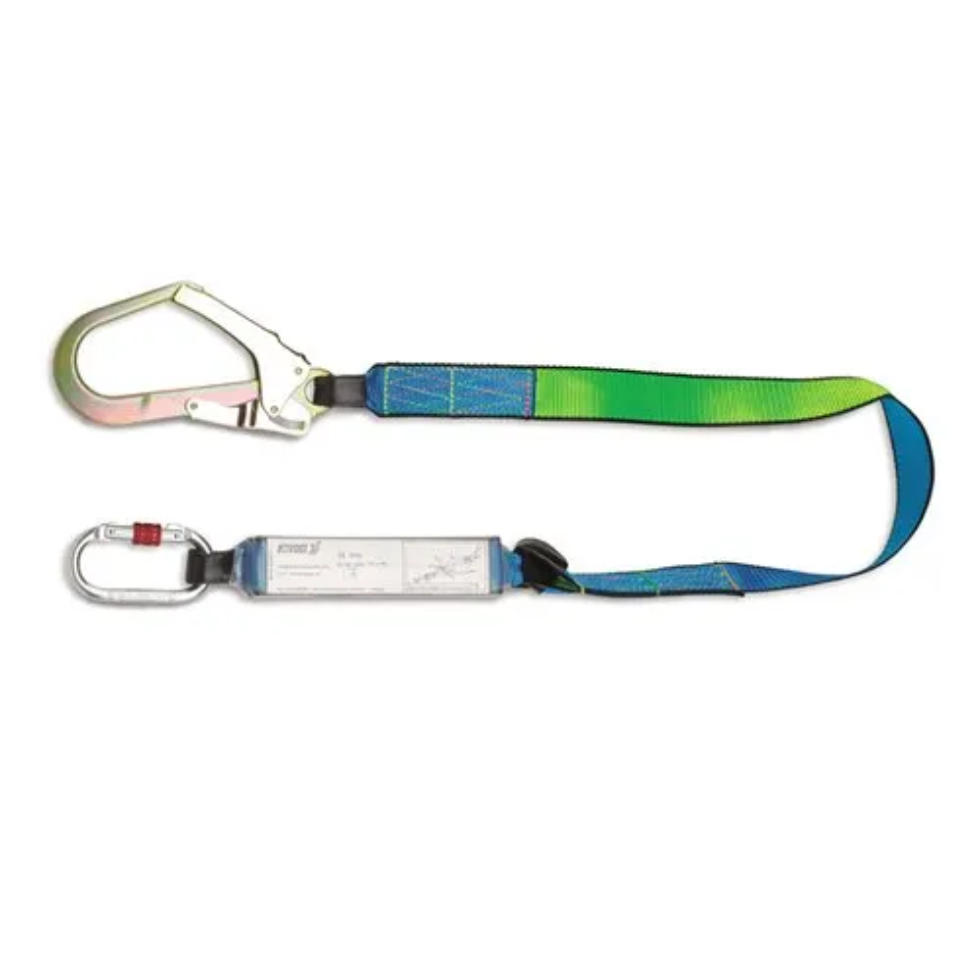 Easy Absorb WL 09 Fall Arrest Single Webbing Lanyard
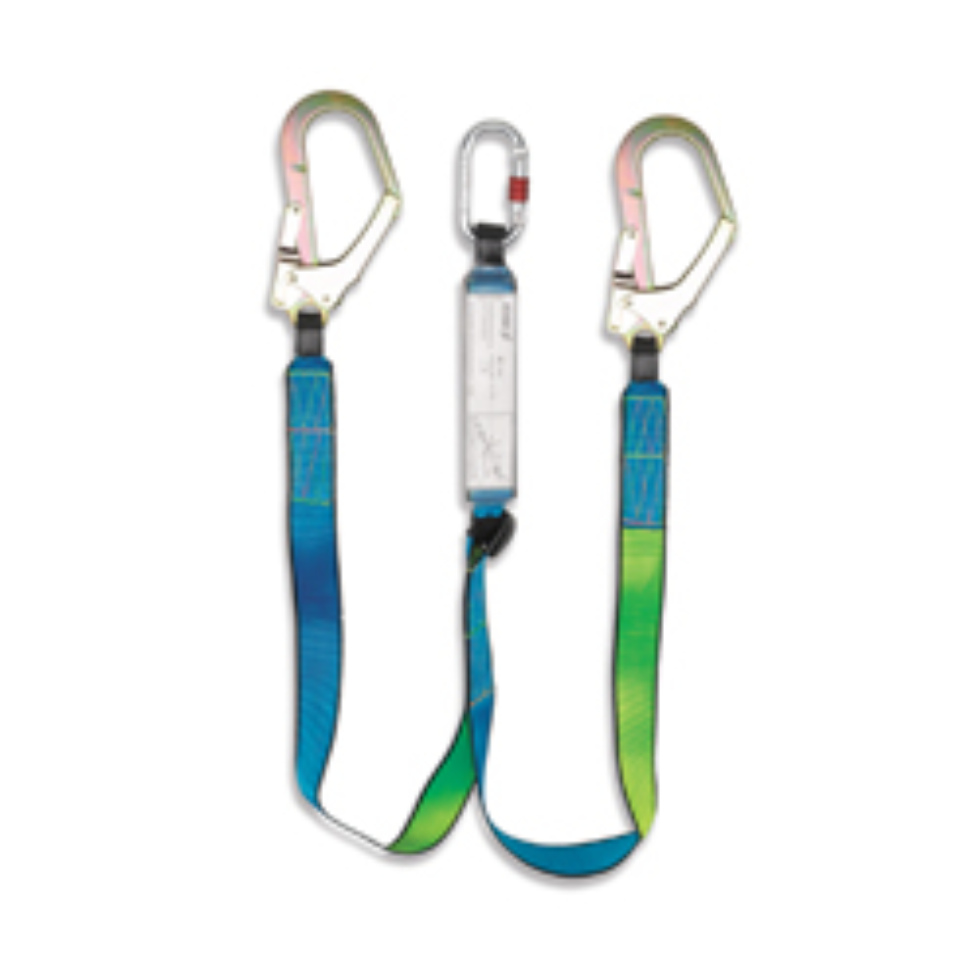 Easy Absorb WL 22 Fall Arrest Double Webbing Lanyard
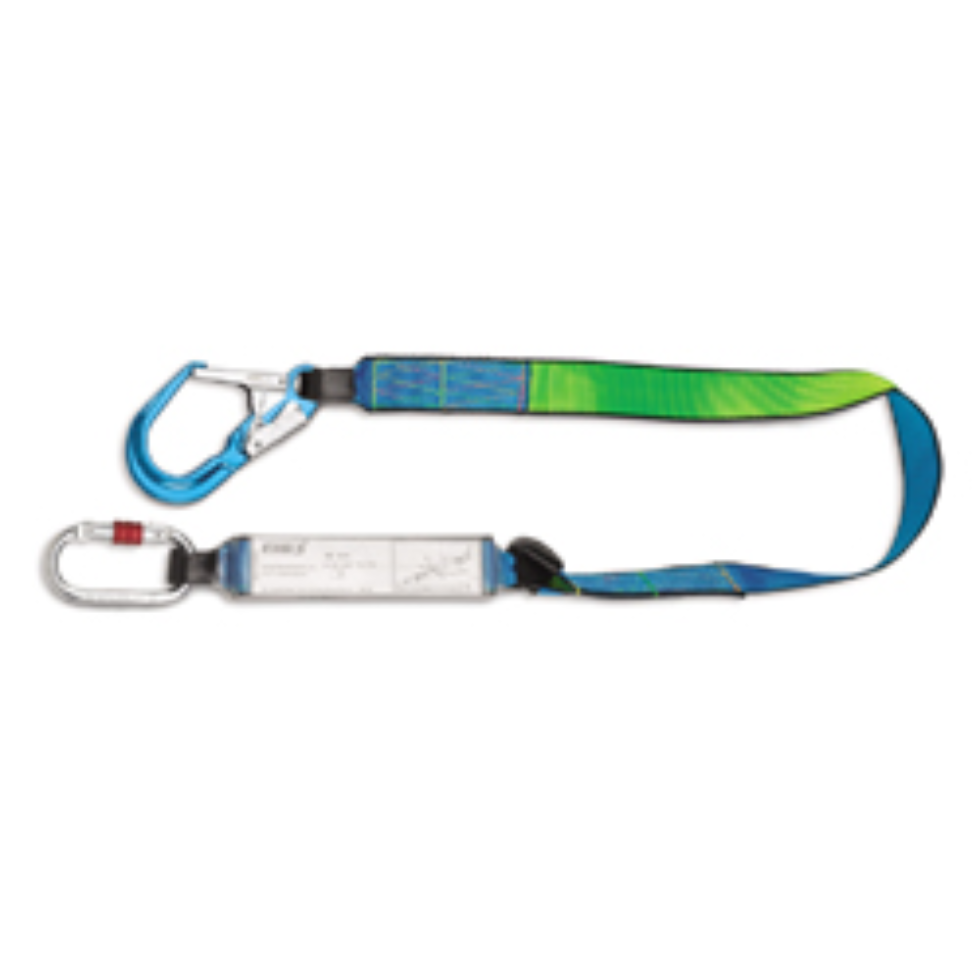 Easy Absorb WL03 Fall Arrest Single Webbing Lanyard
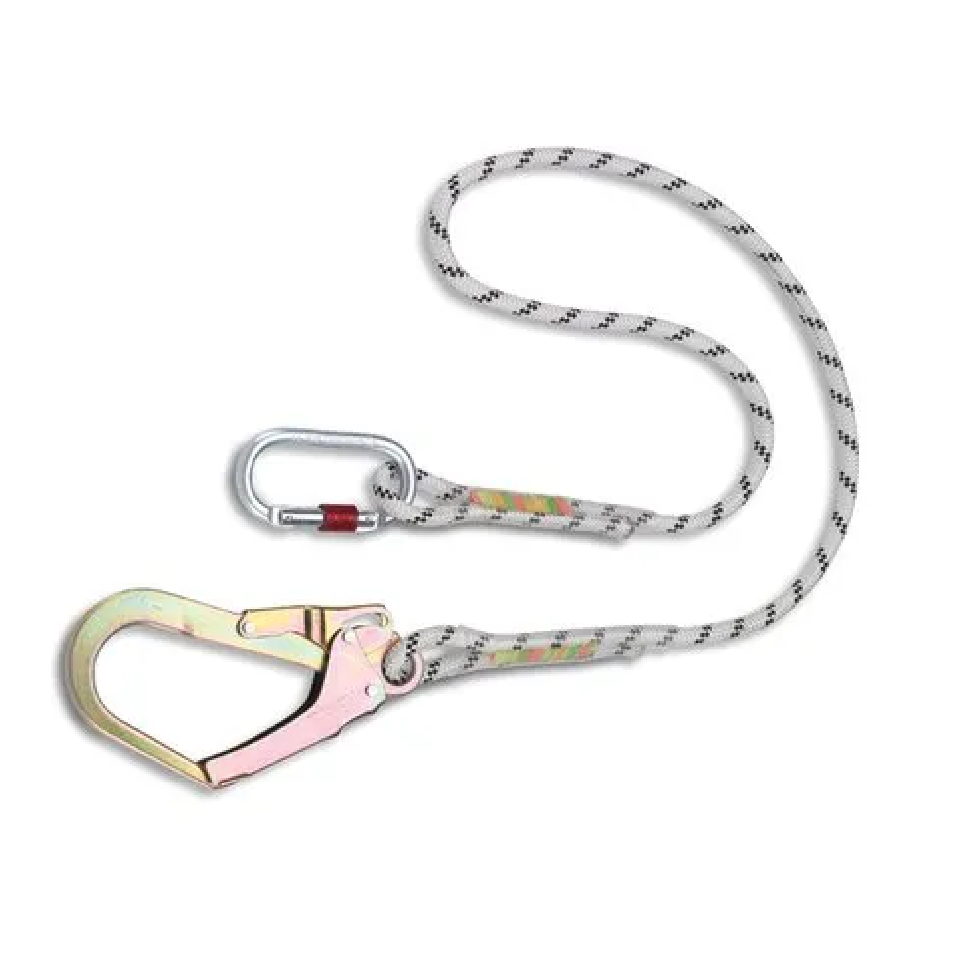 Fall Arrest Single Elasticated Lanyard-easy Absorb El 01
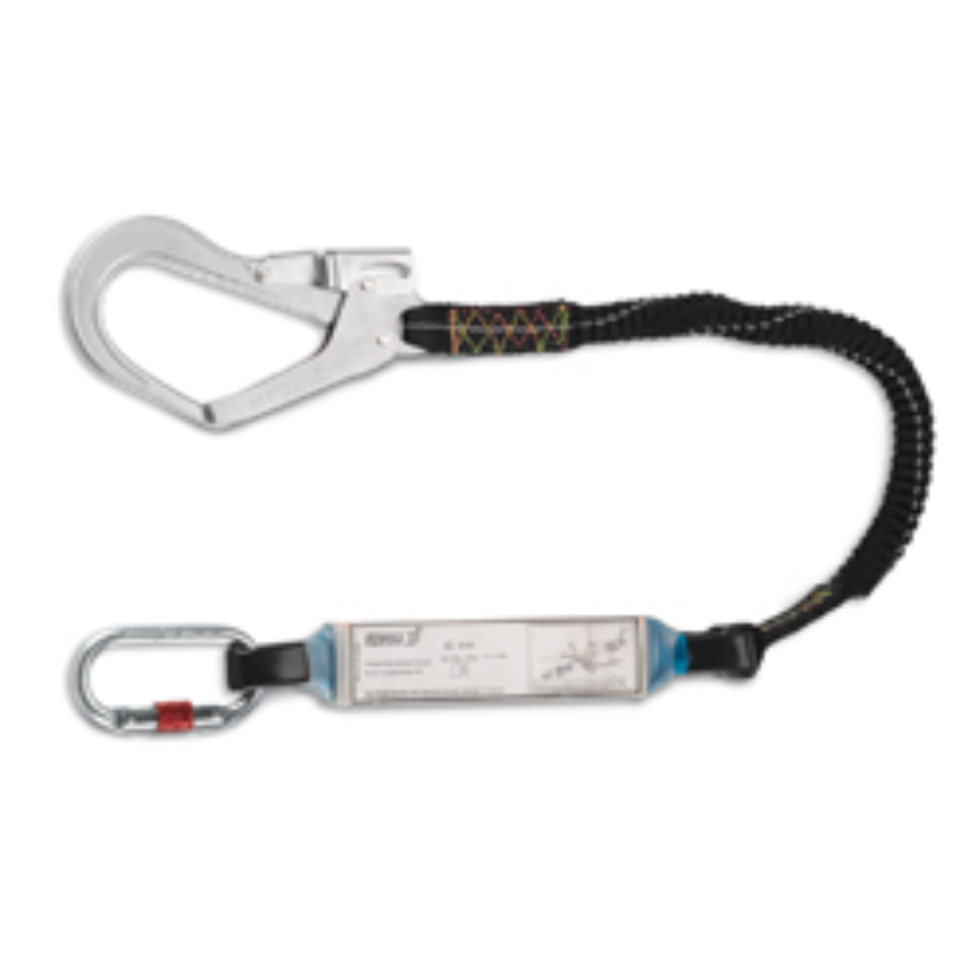 Fall Arrest Single Elasticated Lanyard-easy Absorb El 02
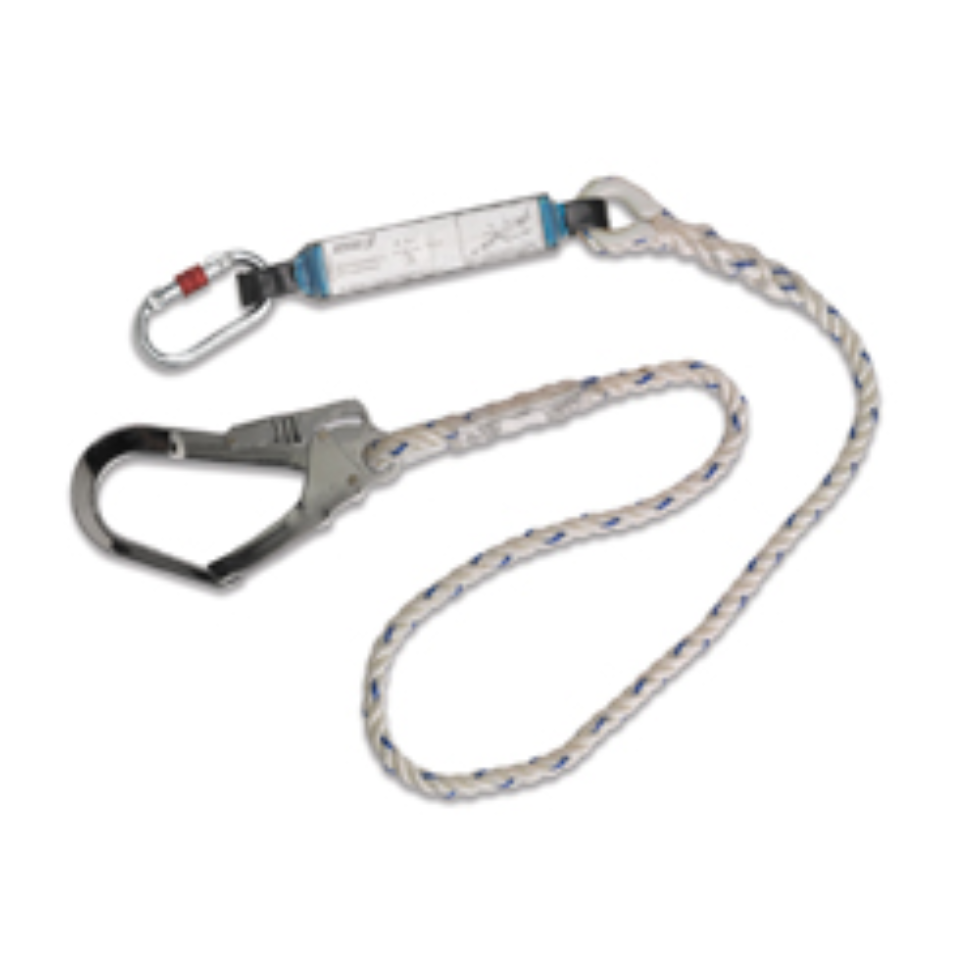 Fall Arrest Single Polyamide Lanyard-easy Absorb
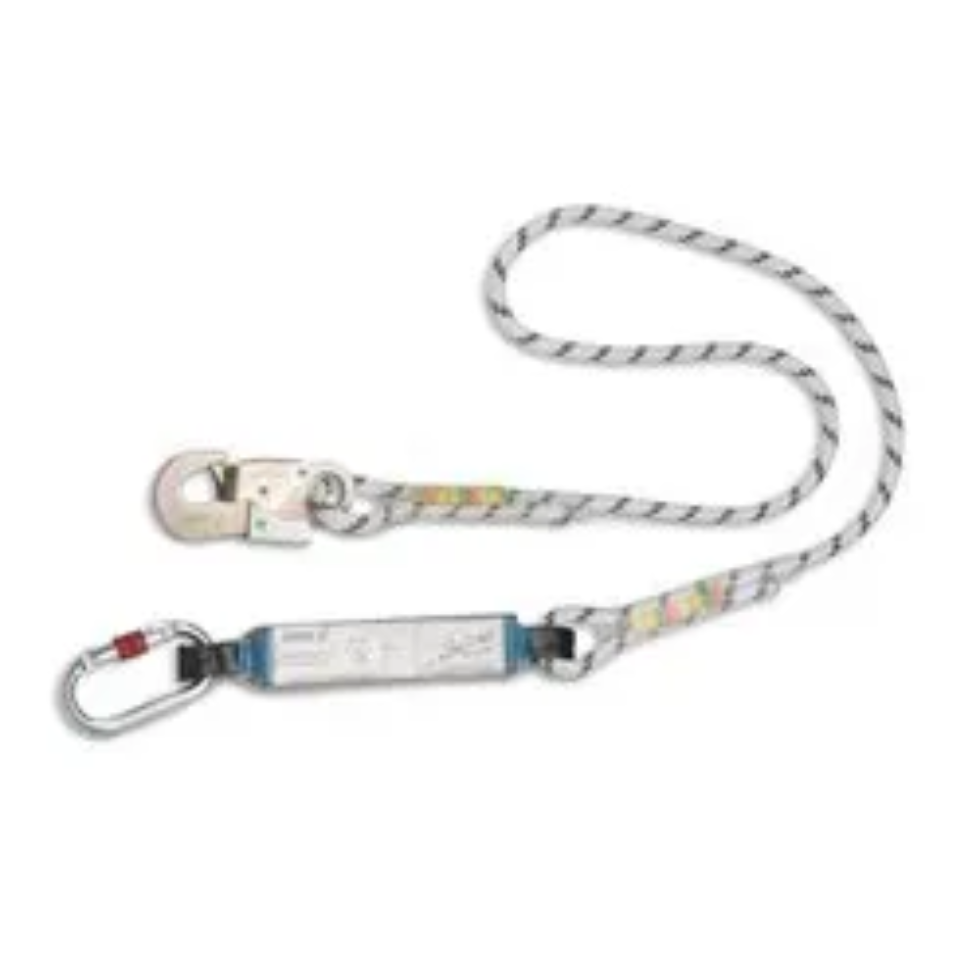 Fall Arrest Single Polyamide Lanyard-easy Absorb 02
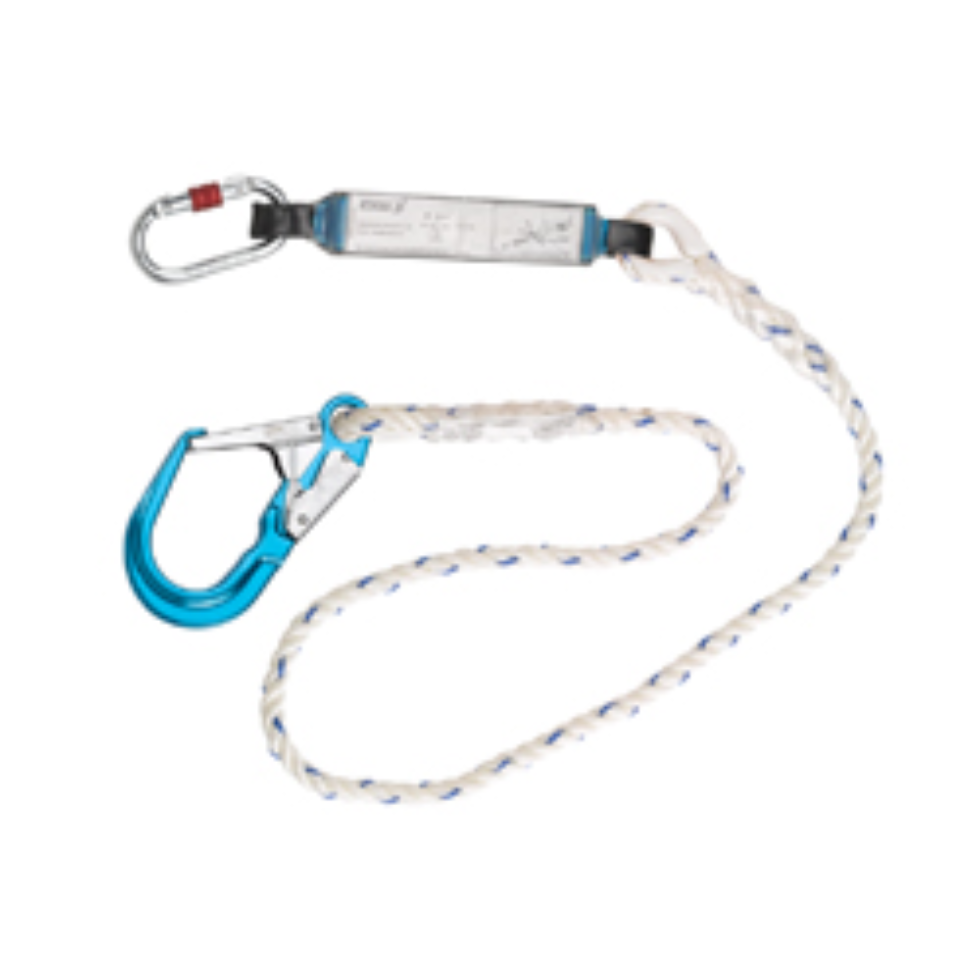 Fall Arrest Single Polyamide Lanyard-easy Absorb 03
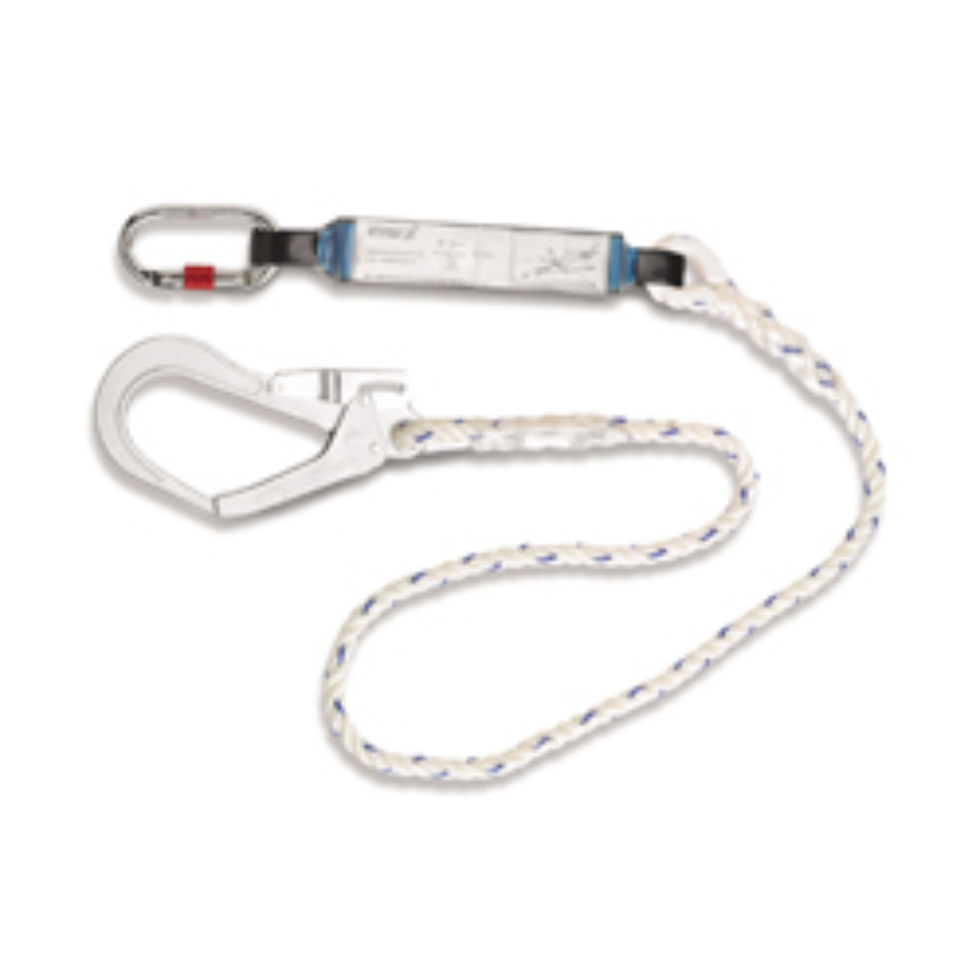 Fall Arrest Single Polyamide Lanyard-easy Absorb 09
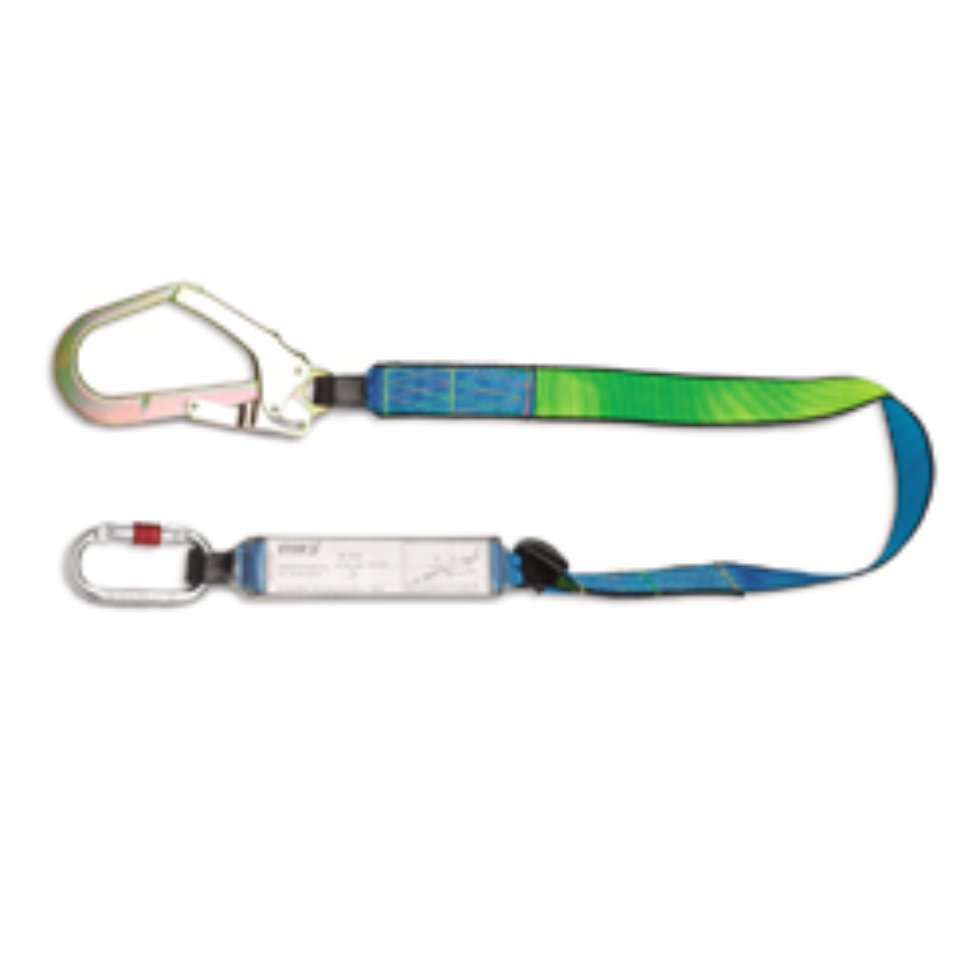 Fall Arrest Single Webbing Lanyard-easy Absorb Wl 01
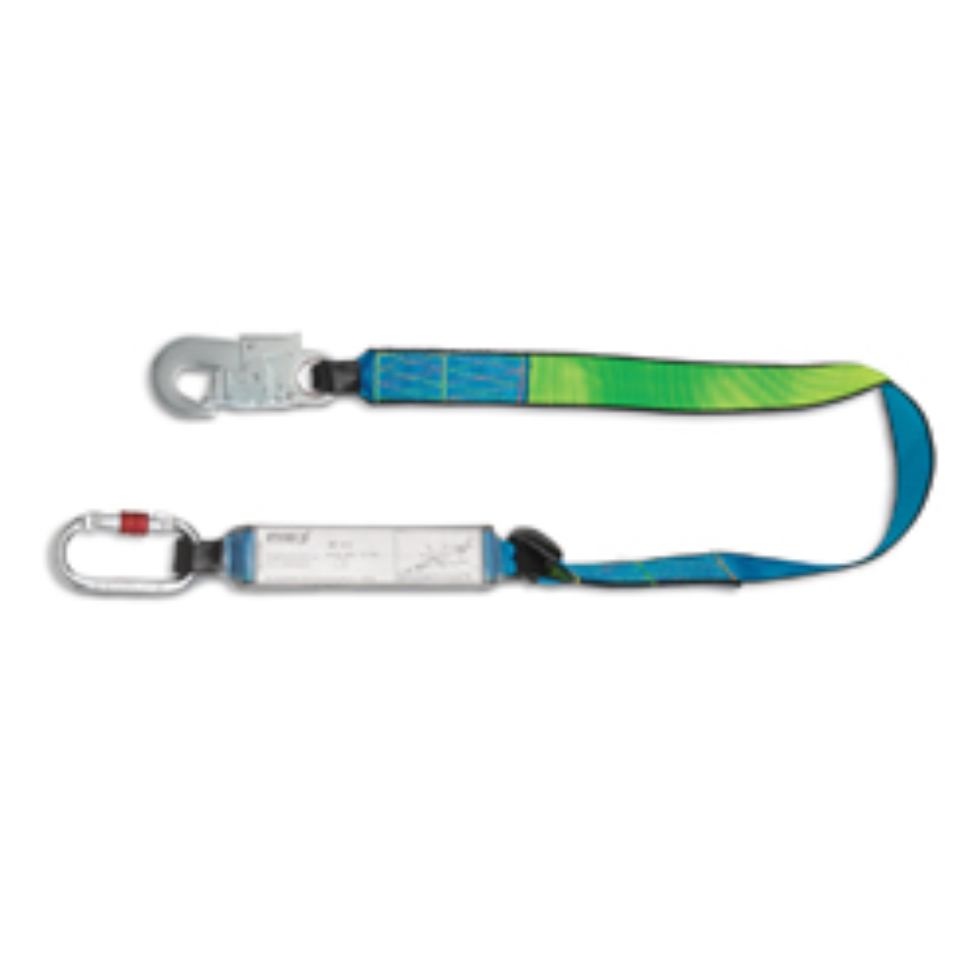 Fall Arrest Single Webbing Lanyard-easy Absorb Wl 02
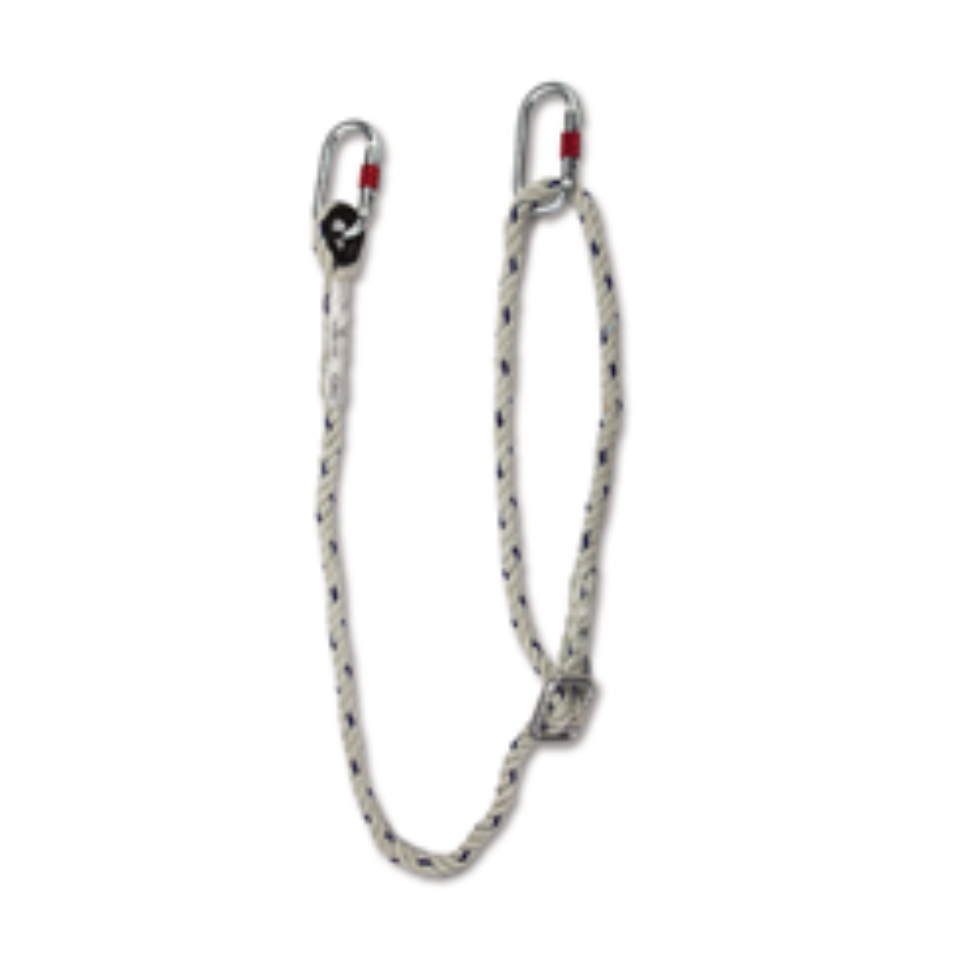 PL 01 Work Positioning Polyamide Rope Lanyard
PL 02 Lanyards For Safety Harness
PL 01 Work Positioning Polyamide Rope Lanyard
PL 02 Lanyards For Safety Harness
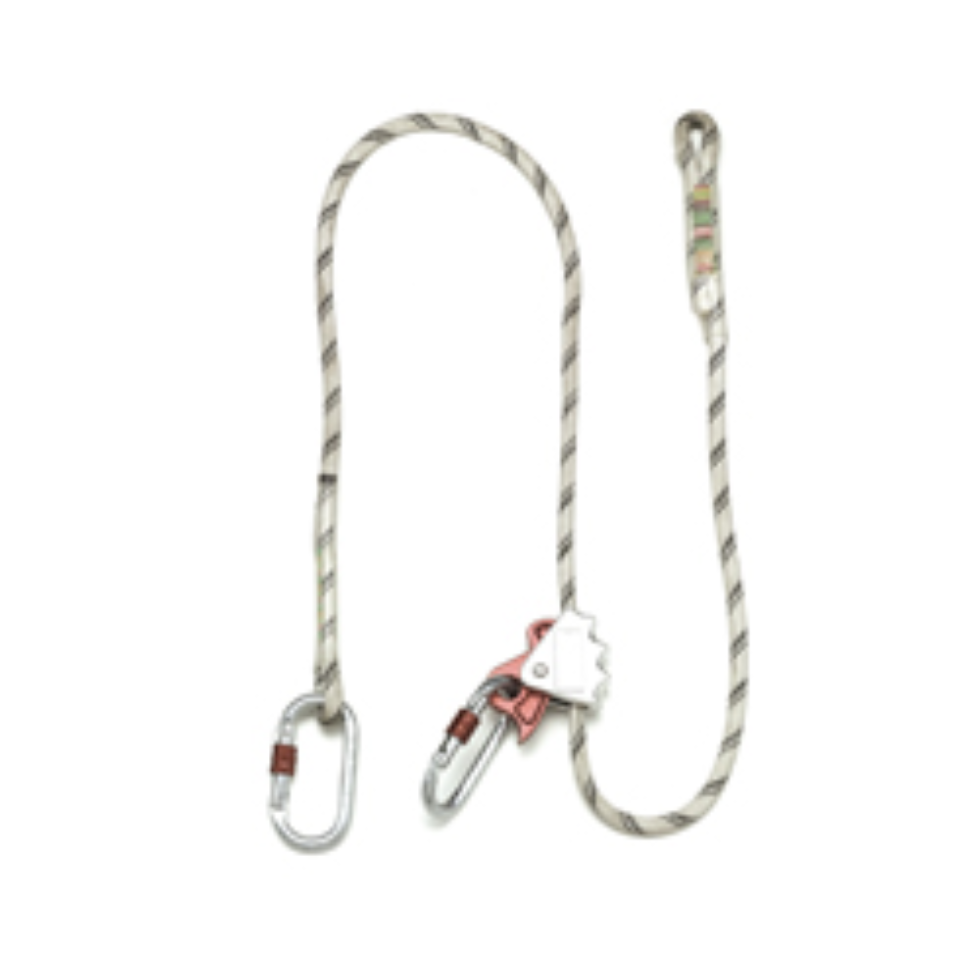 PL 03 Lanyards For Safety Harness
RL 22 Lanyard Shock Absorber Nylon With SH 60
PL 03 Lanyards For Safety Harness
RL 22 Lanyard Shock Absorber Nylon With SH 60
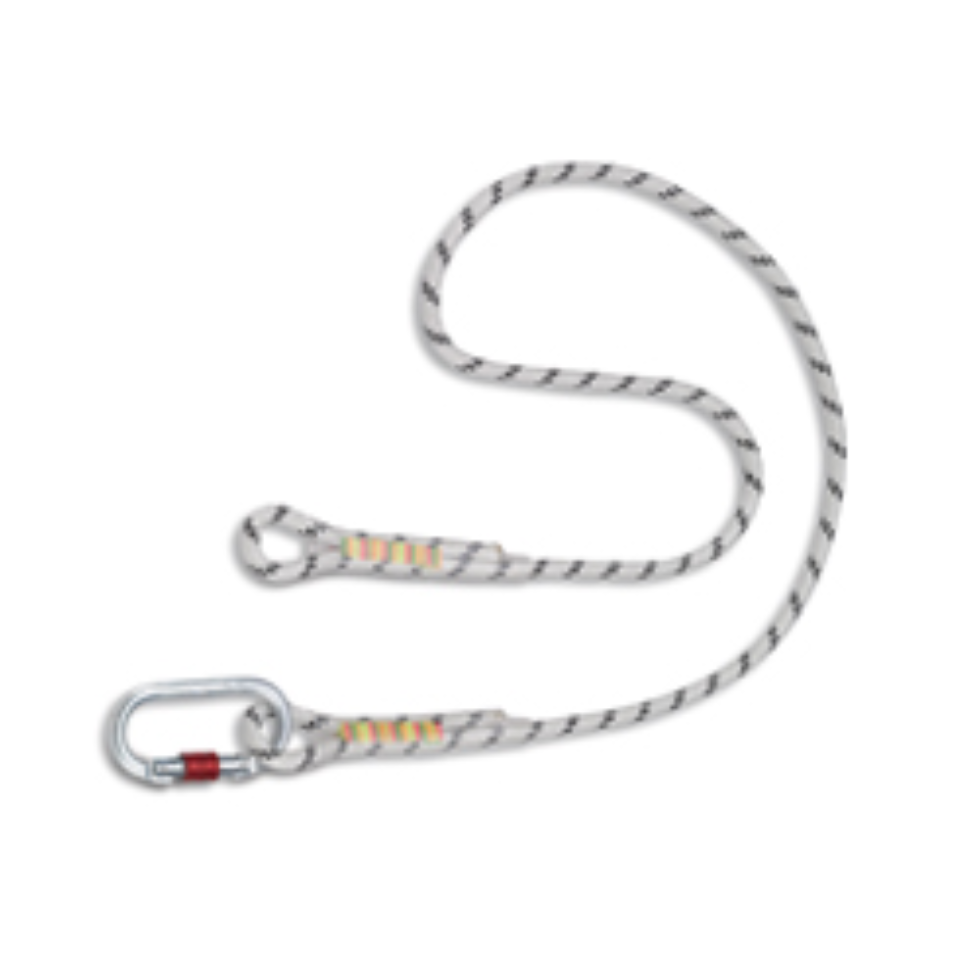 Work Restraint Braided Lanyard-easy Bl02
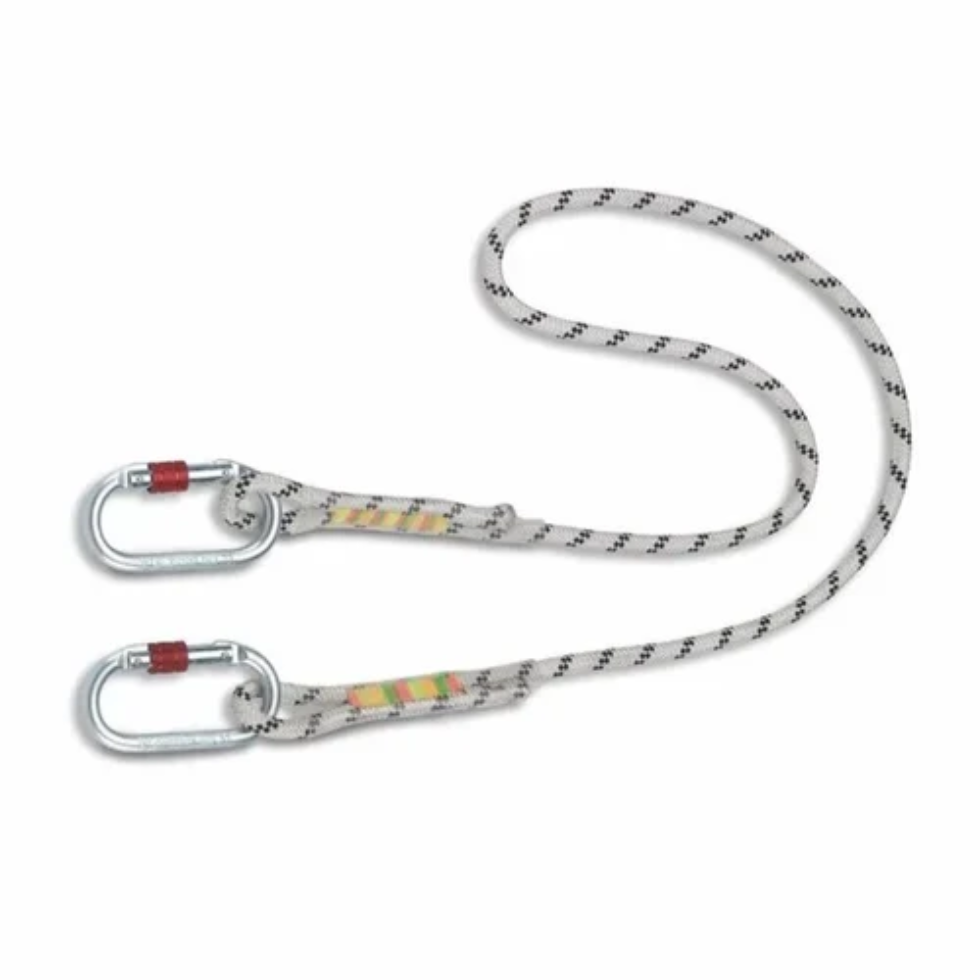 Work Restraint Braided Lanyard-easy Bl03
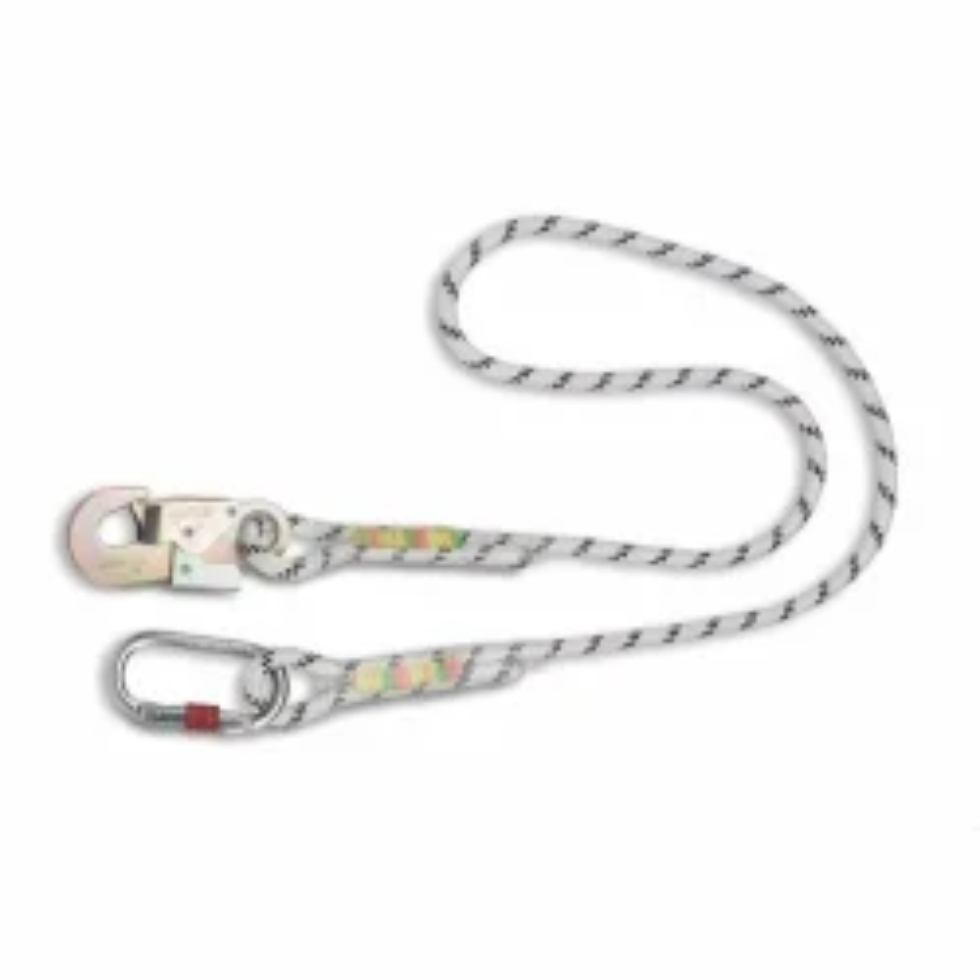 Work Restraint Braided Lanyard-easy Bl04
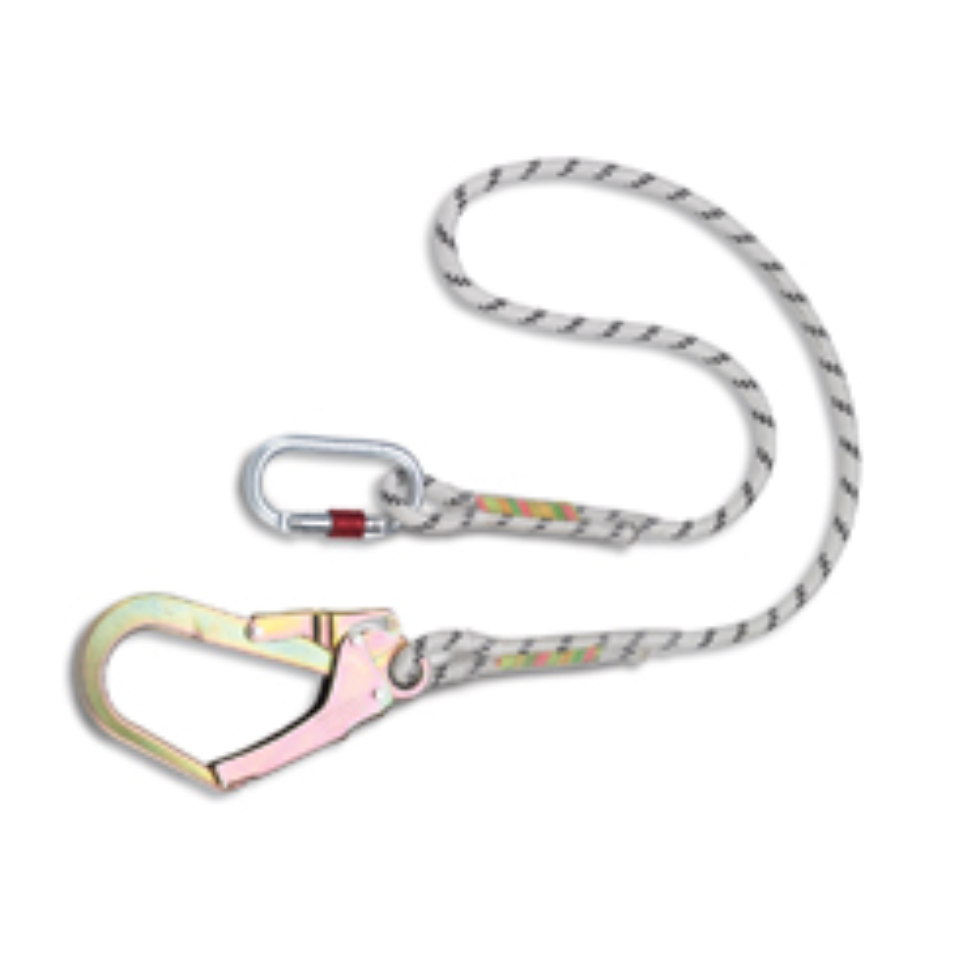 Work Restraint Braided Lanyard-easy Bl05
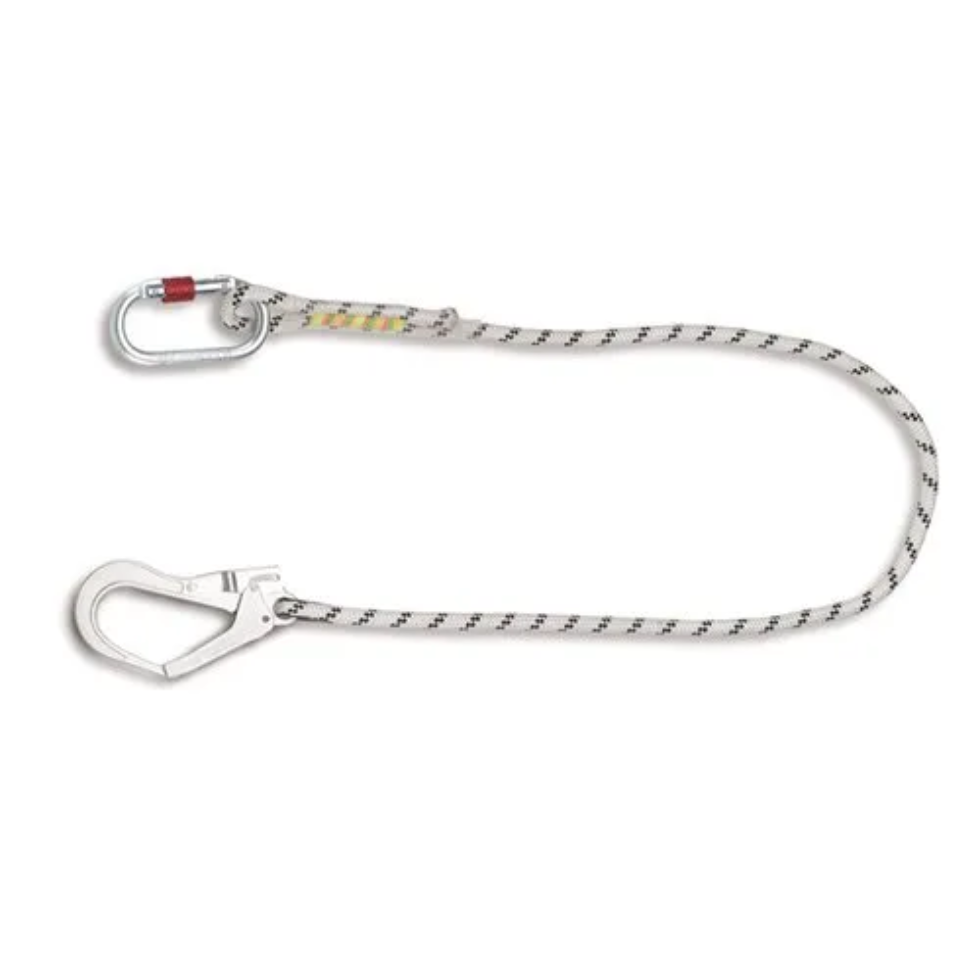 Work Restraint Braided Lanyard-easy Bl09
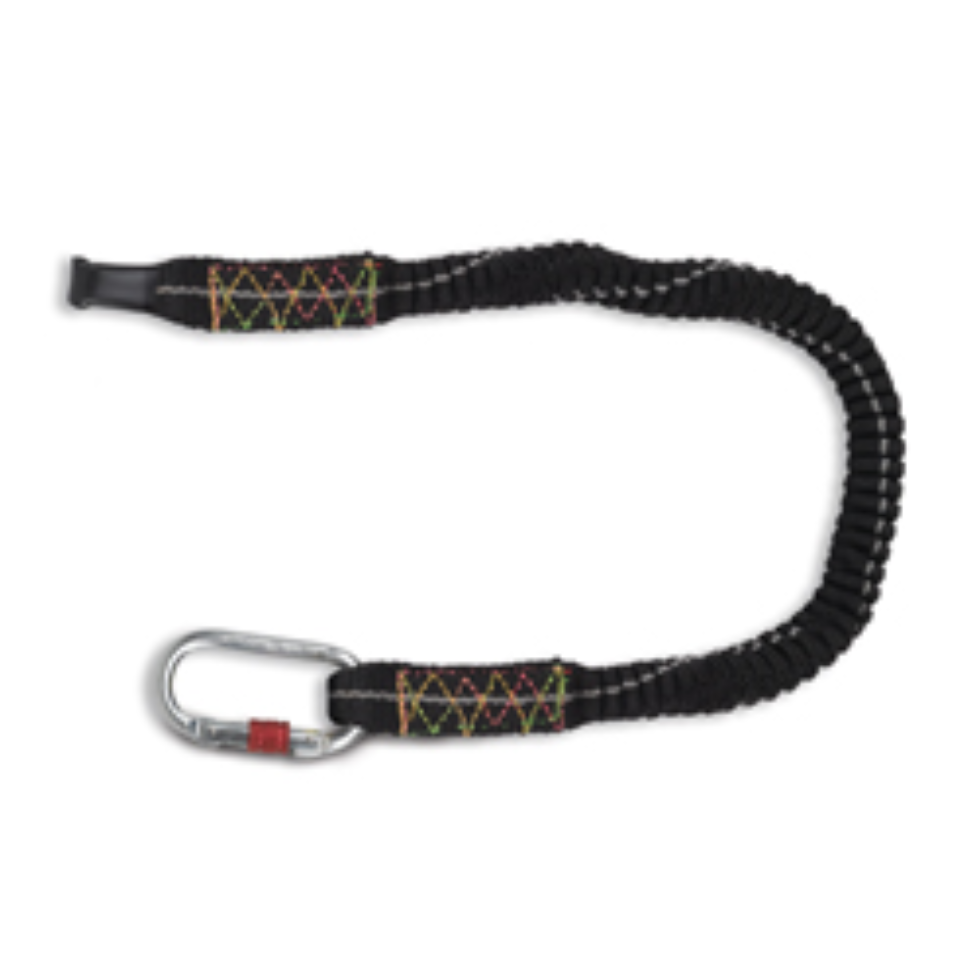 Work Restraint Elasticated Lanyard-el 02
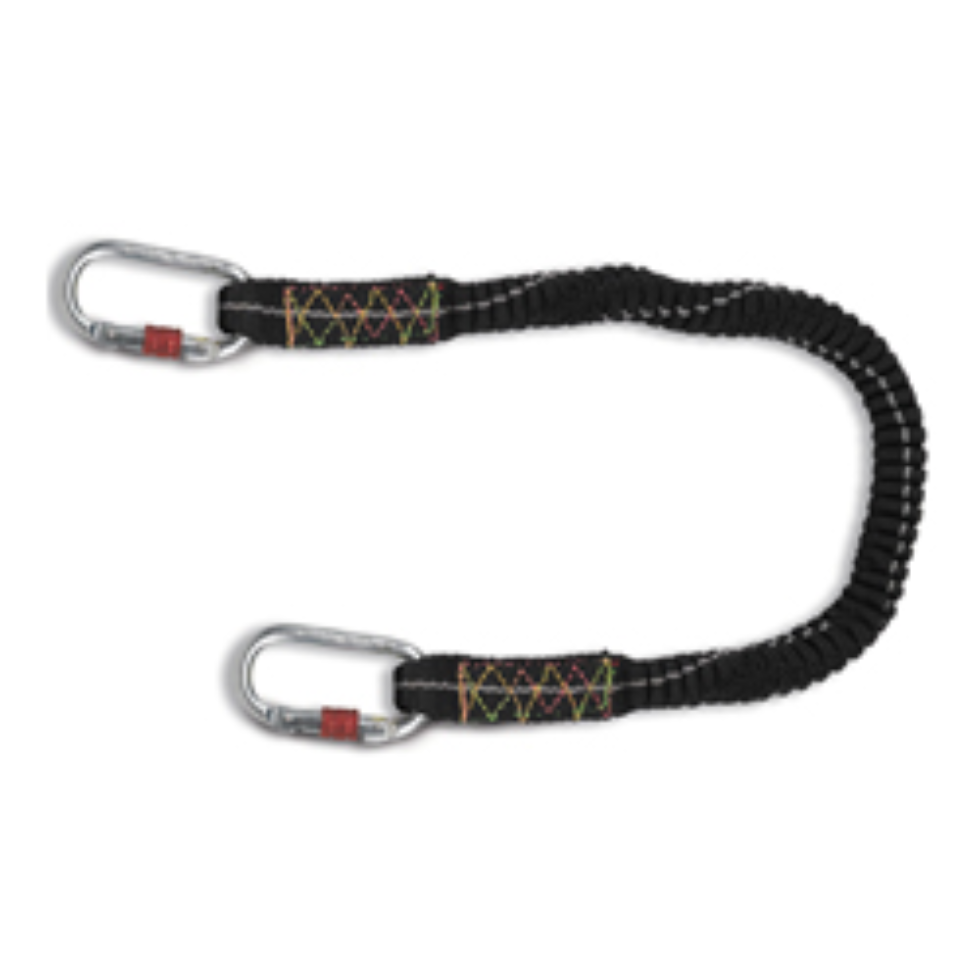 Work Restraint Elasticated Lanyard-el 03
Lanyards For Safety Harness
Frequently Asked Questions
Quick answers to the questions buyers and EHS teams ask most about lanyards for safety harness. Need bulk pricing or a specific spec? Contact our team.
What types of lanyards are available for a safety harness?
Common lanyards include shock-absorbing lanyards (EN 355) that limit fall-arrest force, plain restraint or positioning lanyards (EN 354) used where there is no free-fall risk, and twin-leg (Y) lanyards that allow 100 percent tie-off while moving between anchors. Choose the type based on your fall distance, mobility needs and available anchor points.
Why does a lanyard need an energy absorber?
An energy absorber (EN 355) tears open progressively during a fall to keep arrest forces on the body below six kilonewtons, preventing serious internal injury. A plain lanyard (EN 354) has no absorber and is only for restraint or positioning, never free-fall arrest. Ensure adequate clearance below, as the absorber extends when it deploys.
How much clearance do I need below a shock-absorbing lanyard?
You typically need around six metres of clearance below the anchor when using a two-metre shock-absorbing lanyard. This allows for lanyard length, energy-absorber extension, the worker's height and a safety margin. If clearance is limited, use a retractable fall arrester (EN 360) instead, as it locks quickly and greatly reduces the fall distance.
When should a lanyard be replaced?
Replace a lanyard immediately after it has arrested a fall, once the energy absorber has partially deployed, or if you find frayed webbing, cuts, chemical burns or damaged snap hooks. Inspect it before every use and record formal checks at least every six months. Never repair lanyards; retire and replace any damaged unit.