

Retractable Fall Arrester
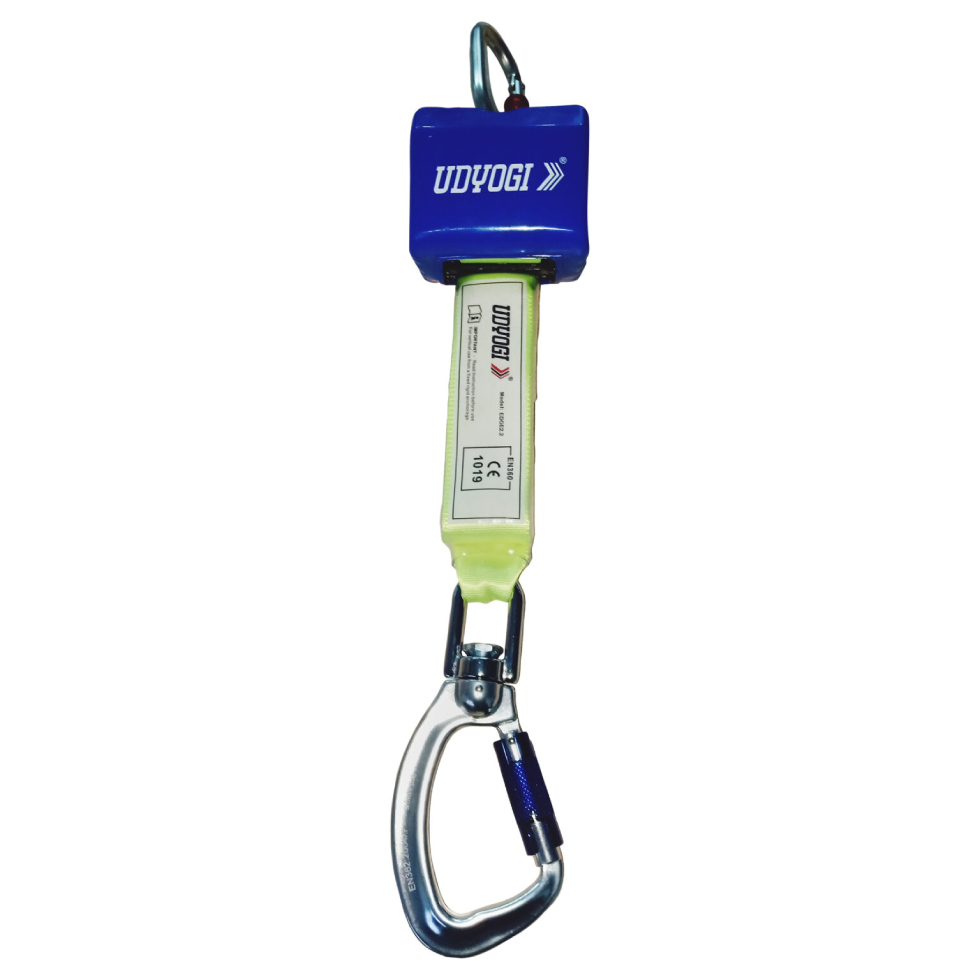
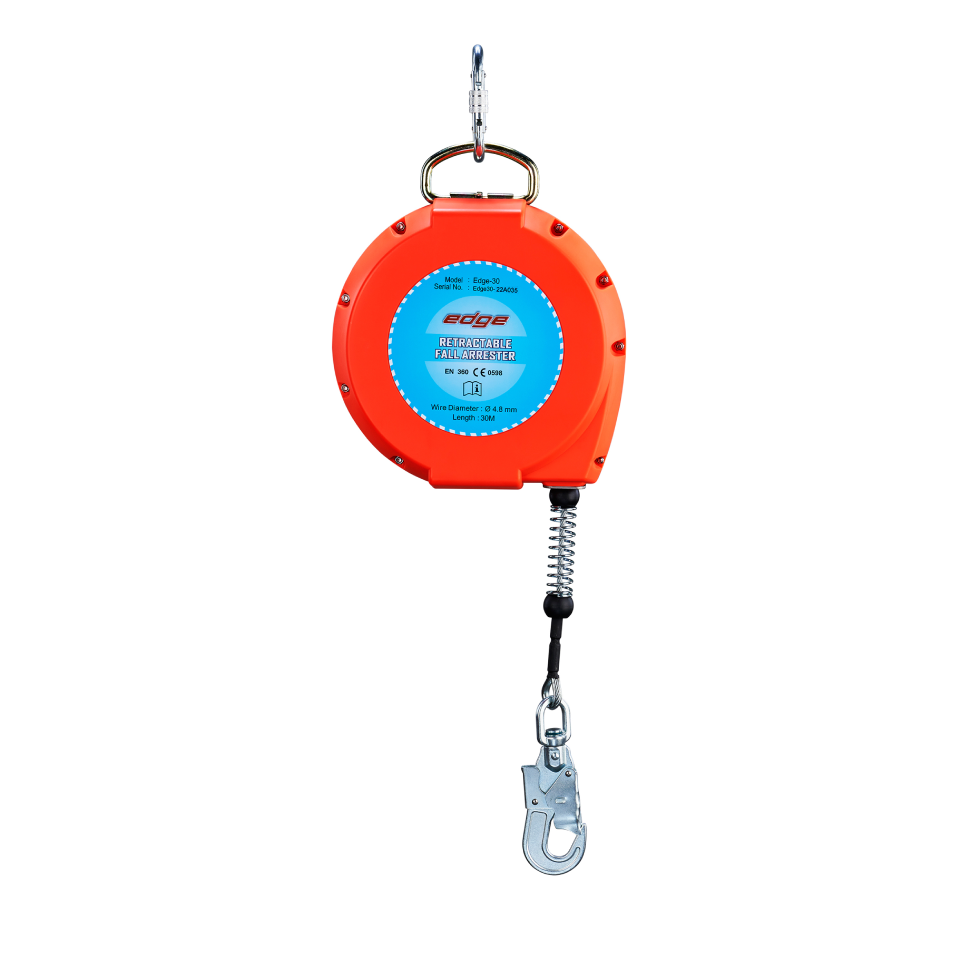
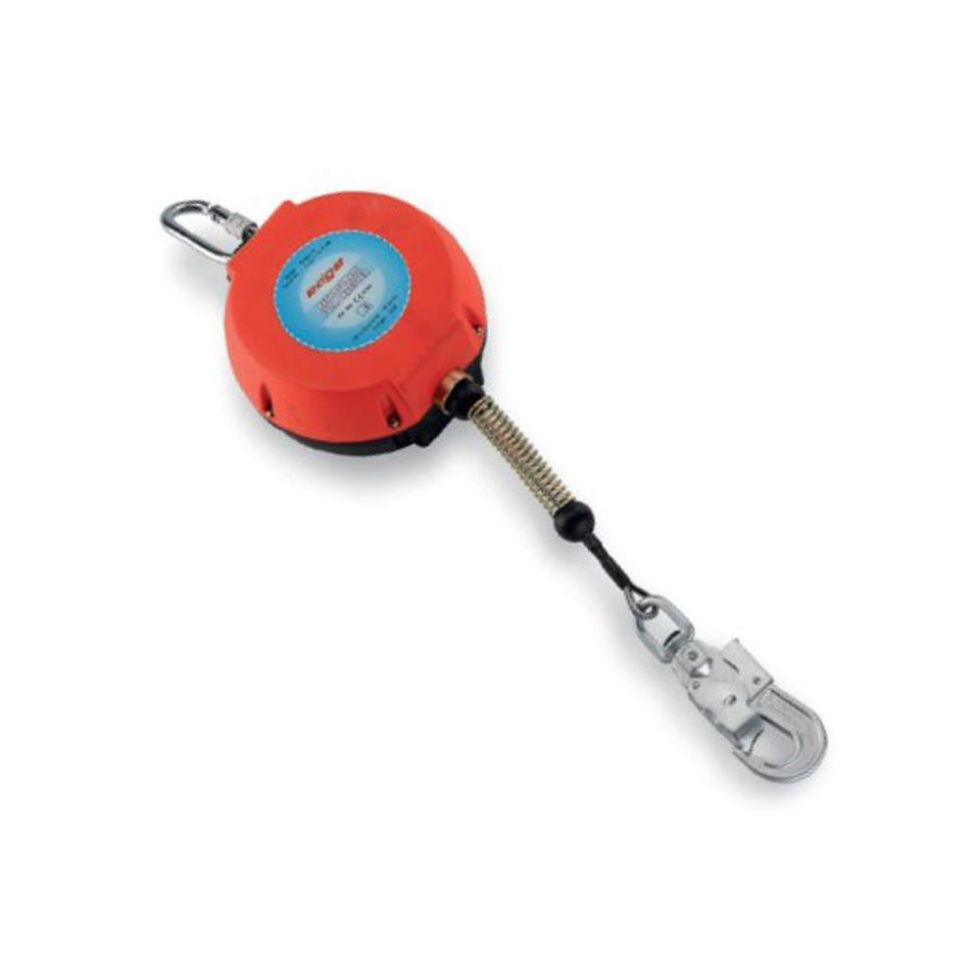
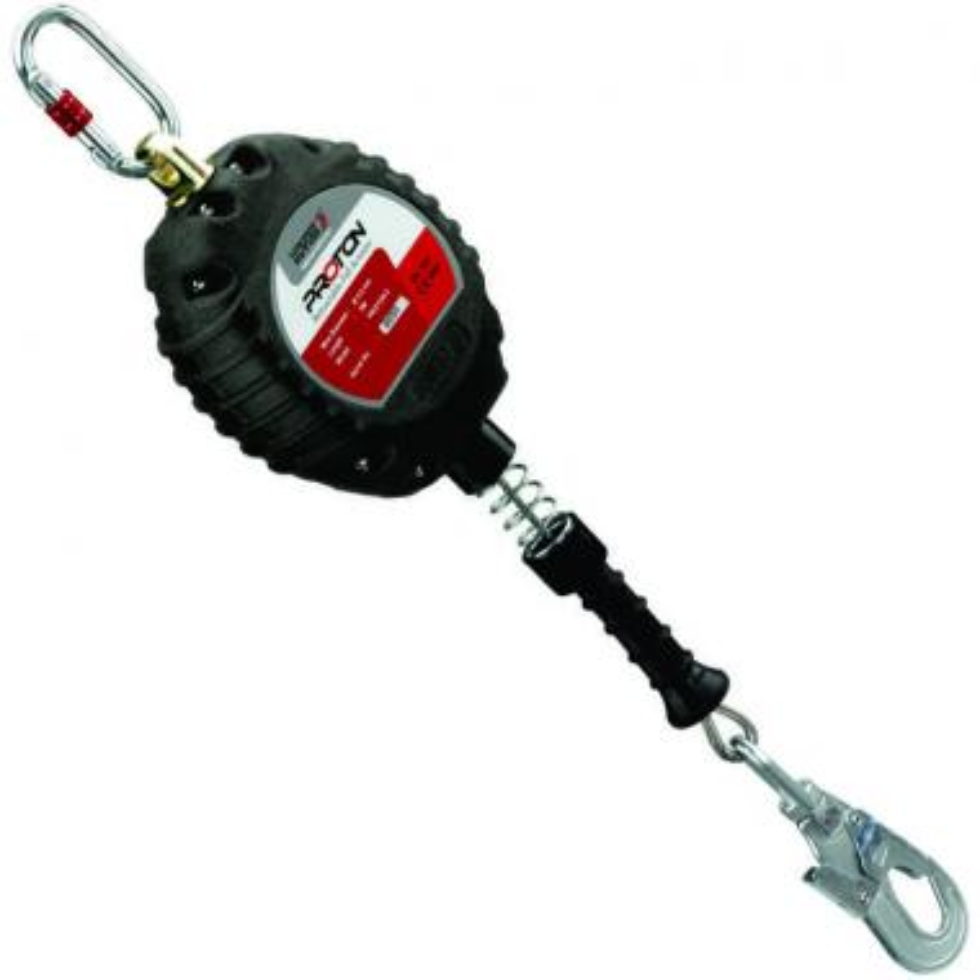
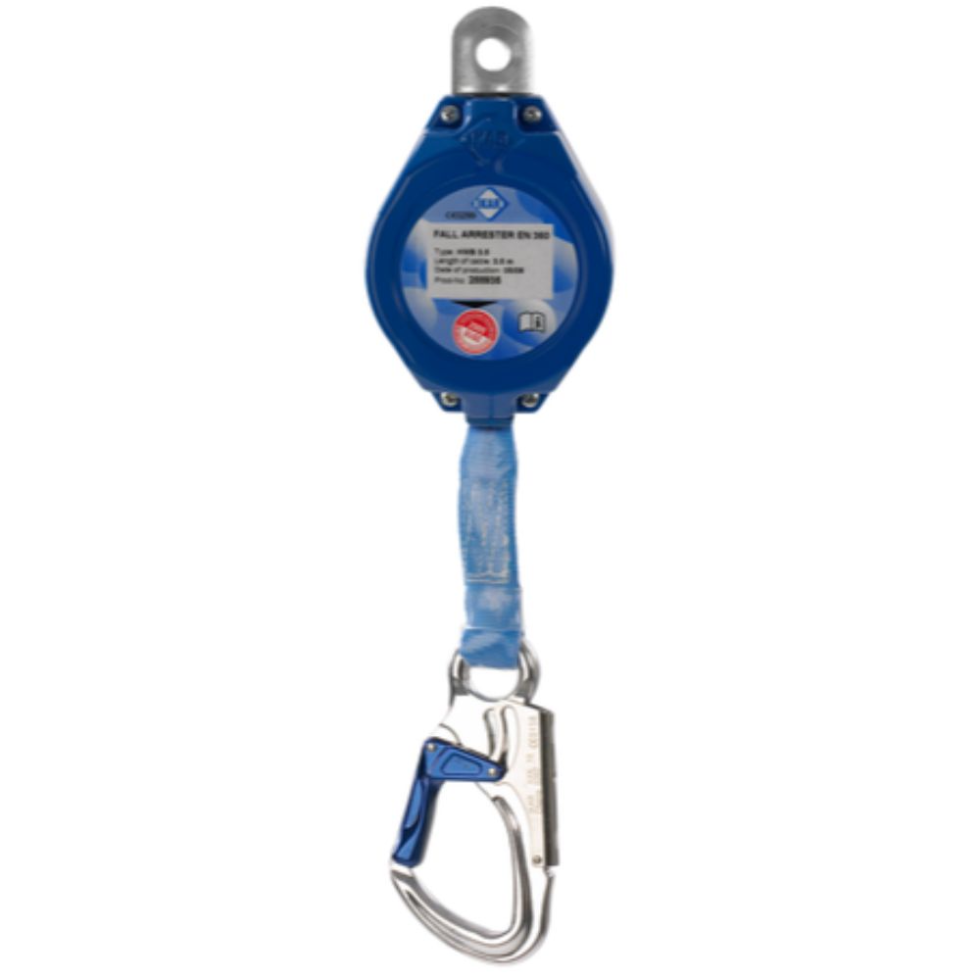
Retractable Fall Arrester
Frequently Asked Questions
Quick answers to the questions buyers and EHS teams ask most about retractable fall arrester. Need bulk pricing or a specific spec? Contact our team.
What is a retractable fall arrester and how does it work?
A retractable fall arrester, or self-retracting lifeline (EN 360), pays out and retracts a cable or webbing line as the worker moves, keeping it taut. If a fall occurs, an internal brake locks the drum almost instantly, arresting the fall within a very short distance. It suits overhead anchoring and areas with limited clearance.
What is the difference between a retractable fall arrester and a rope grab?
A retractable fall arrester (EN 360) is a sealed, self-tensioning block that locks automatically on a sudden pull, ideal for overhead anchors. A rope grab, or guided fall arrester (EN 353-2), slides along a separate flexible anchor line and locks when it moves suddenly, suiting vertical ladder climbs. Both limit fall distance but differently.
Can a retractable fall arrester be anchored below the user?
Only if it is specifically certified for foot-level or leading-edge use; standard EN 360 blocks are designed for overhead anchoring. Anchoring below the dorsal ring increases free-fall distance and, over an edge, risks the line being cut. For leading-edge work, choose an SRL tested to EN 360 with the leading-edge (LE) rating.
How is a retractable fall arrester inspected?
Before each use, check that the line pulls out and retracts smoothly and locks when tugged sharply, and inspect the casing, hook and load indicator. A competent person must examine it at least annually, and the manufacturer usually requires periodic internal servicing. Withdraw any block that fails the lock test or has arrested a fall.