

Safety Harness Or Safety Belt
Safety Harness Or Safety Belt Dealers and Supplier
Safetywala Equipments LLP offers certified, ergonomic, and high-strength harnesses and belts, ensuring reliable protection, mobility, and user confidence during vertical and horizontal tasks. A Safety Harness or Safety Belt is a personal fall protection system designed to secure a worker to a stable structure, minimizing the risk of injury during falls from height. These devices distribute impact forces across the upper thighs, chest, and shoulders, ensuring optimal safety and comfort. Commonly used in construction, telecom, utilities, and industrial maintenance, they are vital for working at elevated locations.
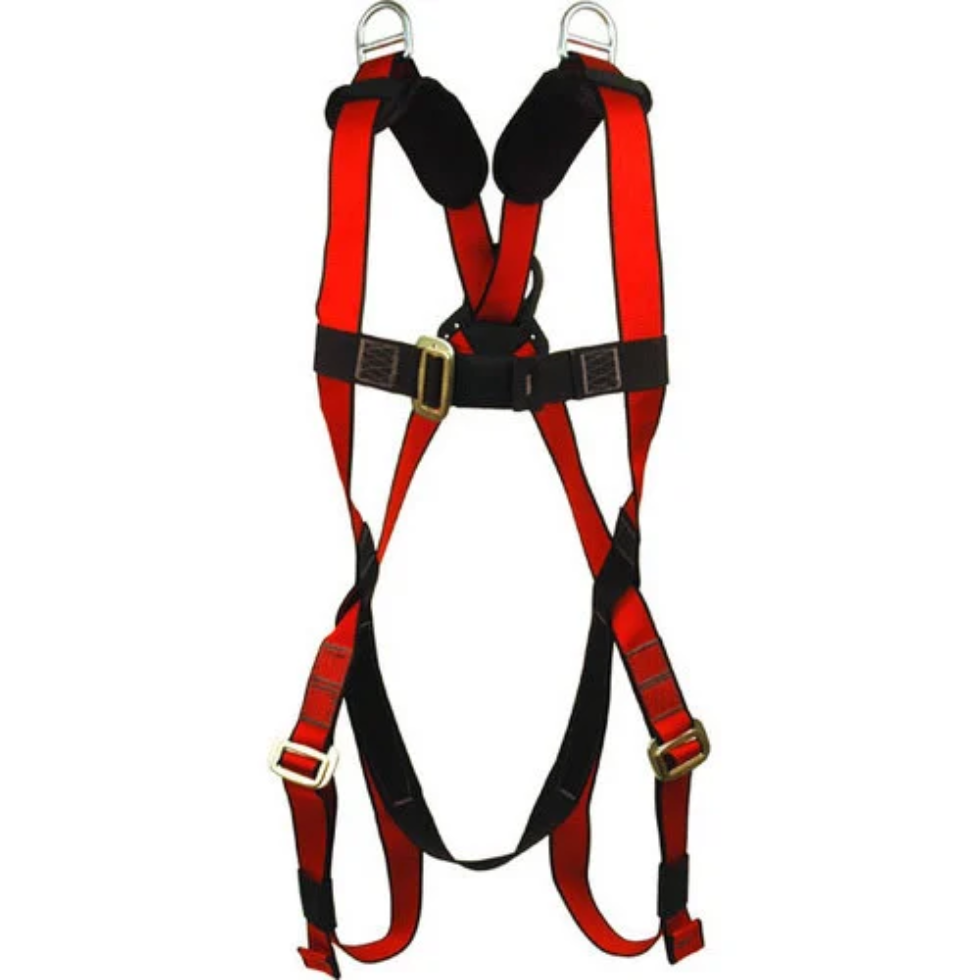 Anti Static Harness - Fall Protection
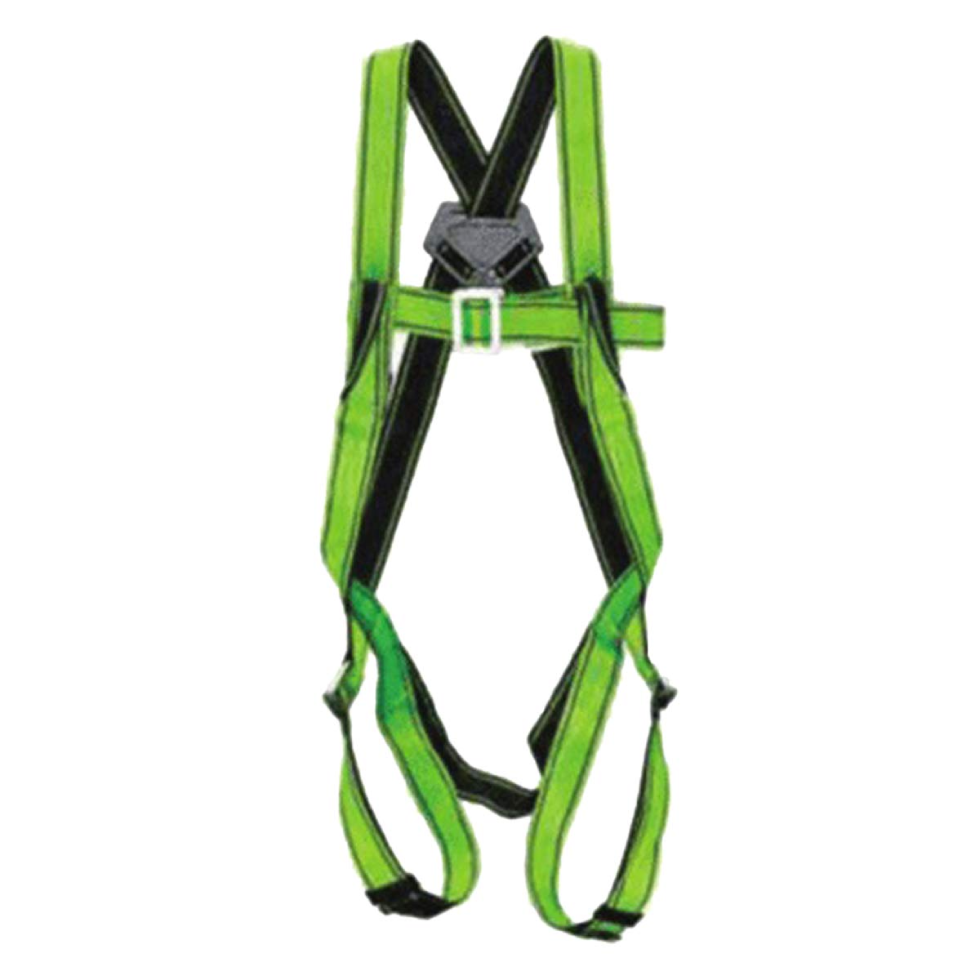 ECO1D60 Full Body Harness Safety Belt
ECO1DP60
ECO1SHAP60
ECO1SHPP60 | Safety Harness Safety Belt
ECO1D60 Full Body Harness Safety Belt
ECO1DP60
ECO1SHAP60
ECO1SHPP60 | Safety Harness Safety Belt
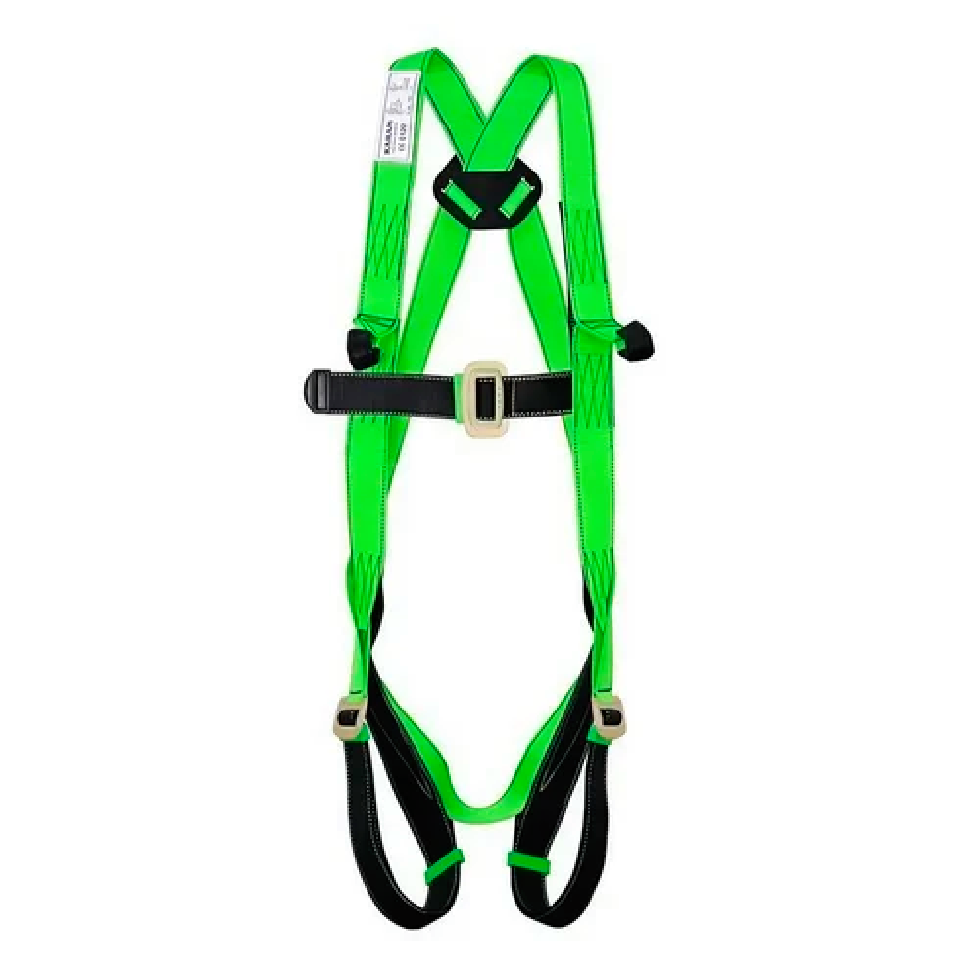 ECO2D60 Double PP Rope With SH-60 Scaffolding Hook
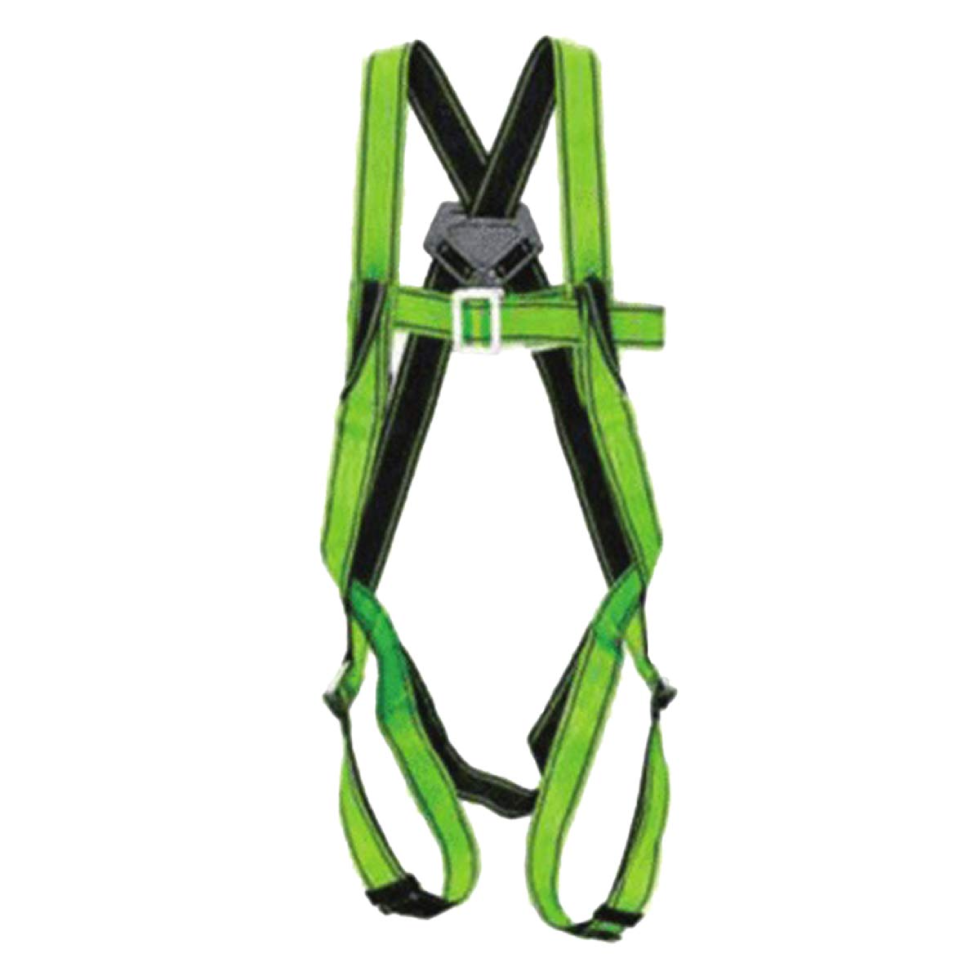 ECO2SHAP60, Full Body Safety Harness or Safety Belts
ECO3D60
ECO3SHAP60 | Full Body Safety Harness Belt
ECO2SHAP60, Full Body Safety Harness or Safety Belts
ECO3D60
ECO3SHAP60 | Full Body Safety Harness Belt
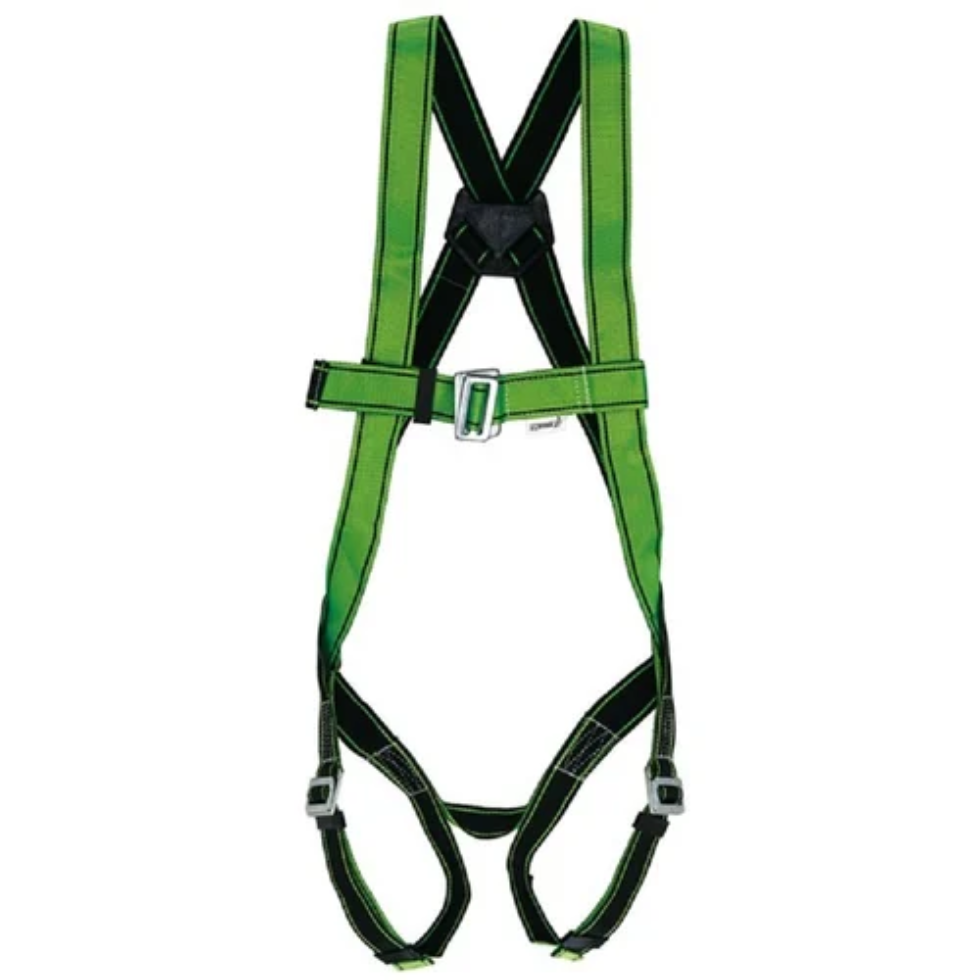 ECO4D60 Safety Harness or Full Body Safety Belt
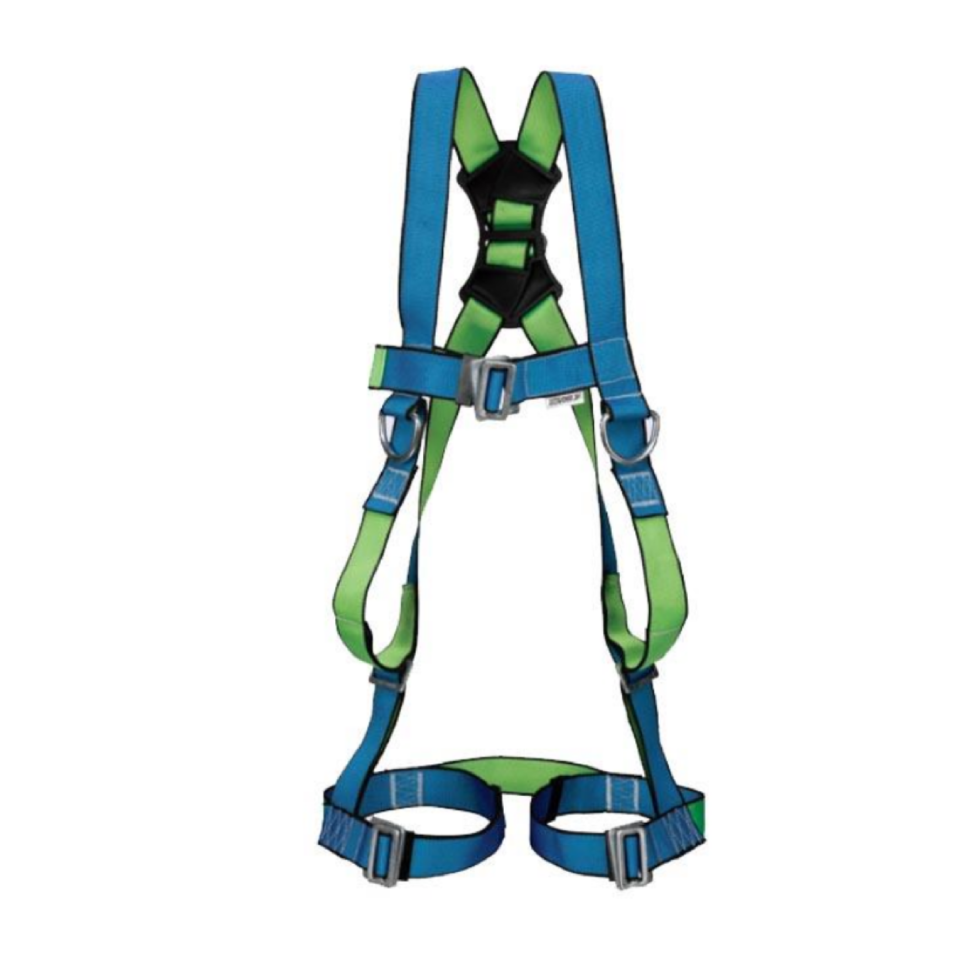 ECO4DP60 Full Body Safety Harness or Safety Belt
ECO4SHAP60 Full Body Safety Harness or Safety Belt
ECO4DP60 Full Body Safety Harness or Safety Belt
ECO4SHAP60 Full Body Safety Harness or Safety Belt
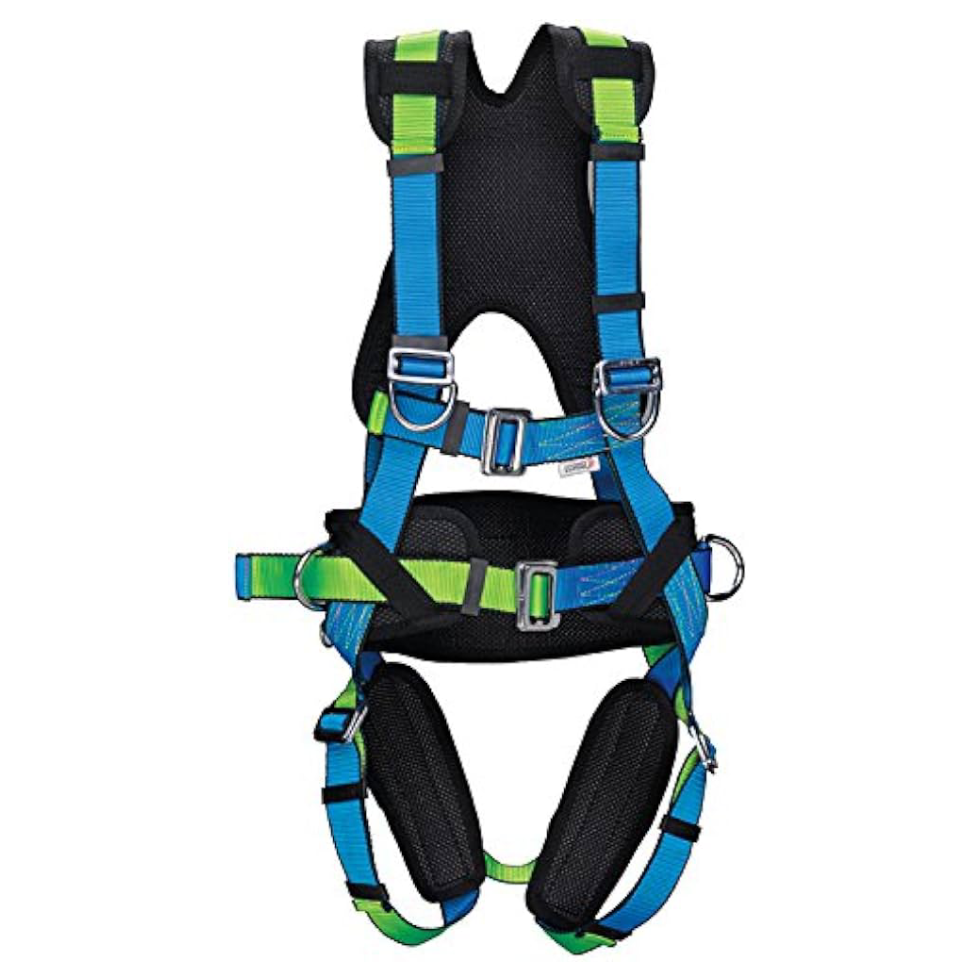 EDGE-01 V-shaped Design, Full Body Safety Belt
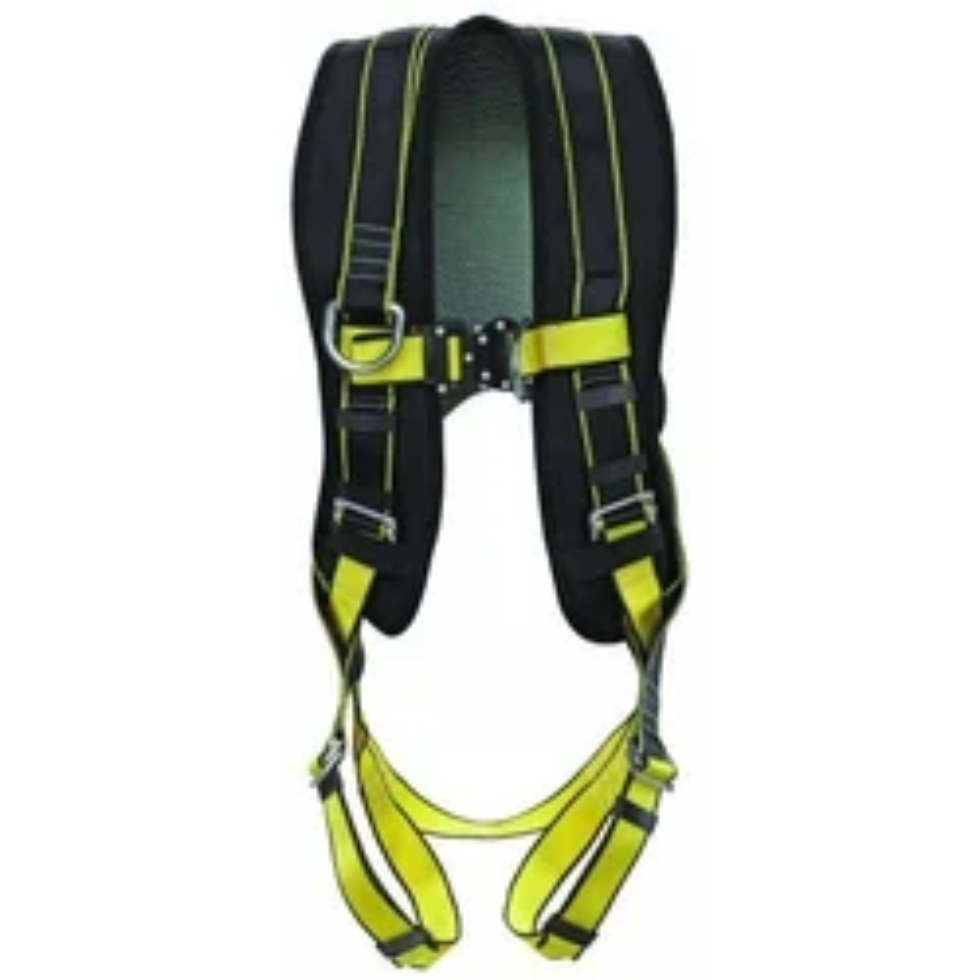 EDGE-LITE Full Body Safety Harness or Safety Belt
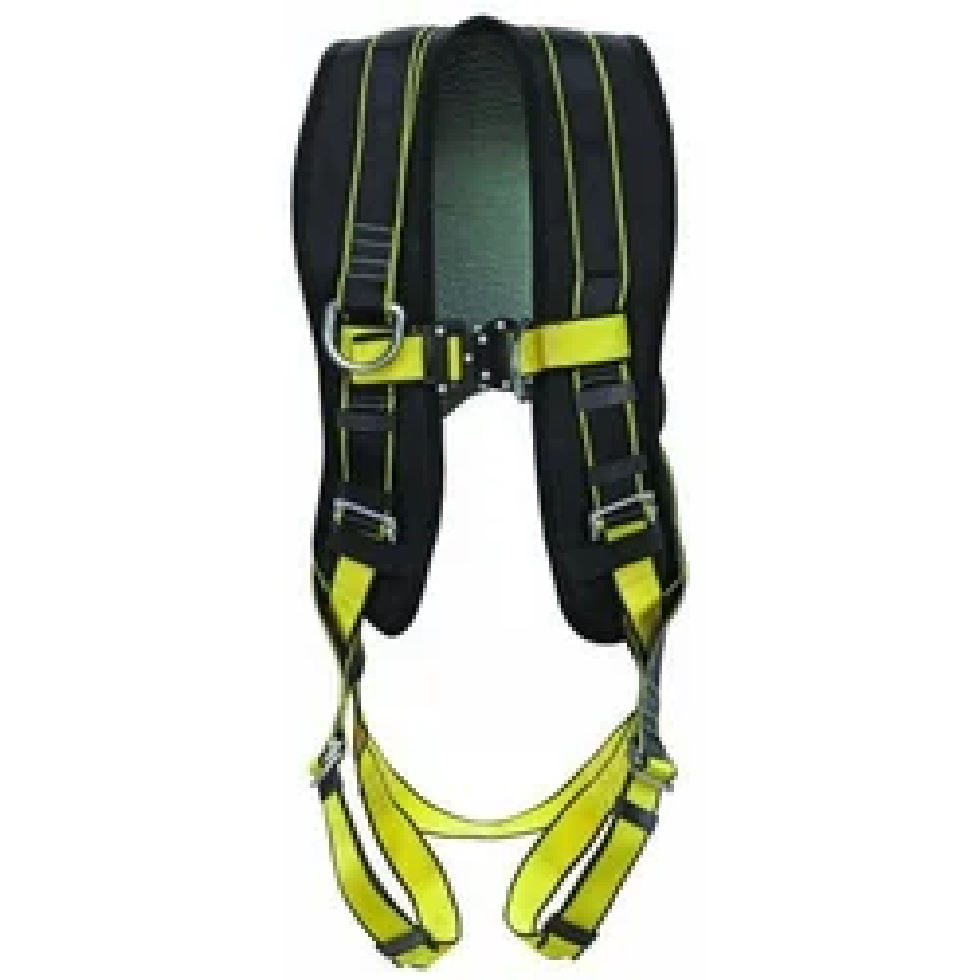 EDGE-LITE-PRO
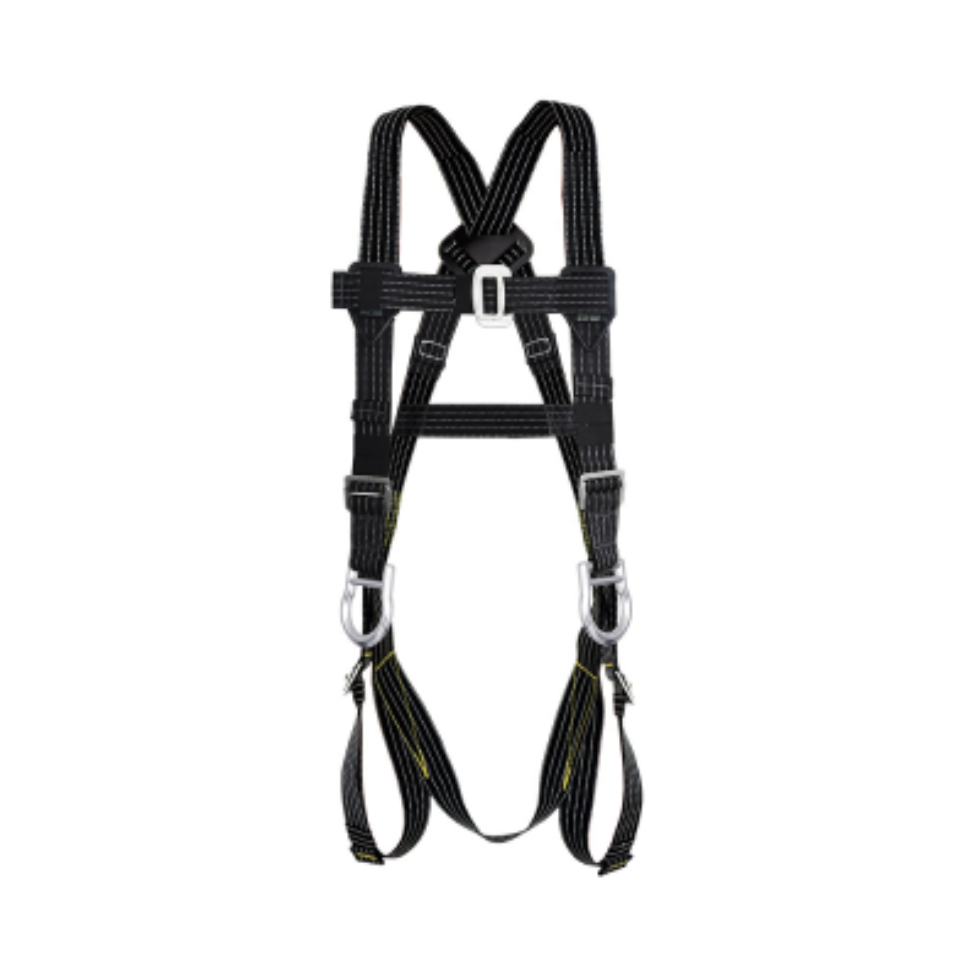 FR Full Body Harness
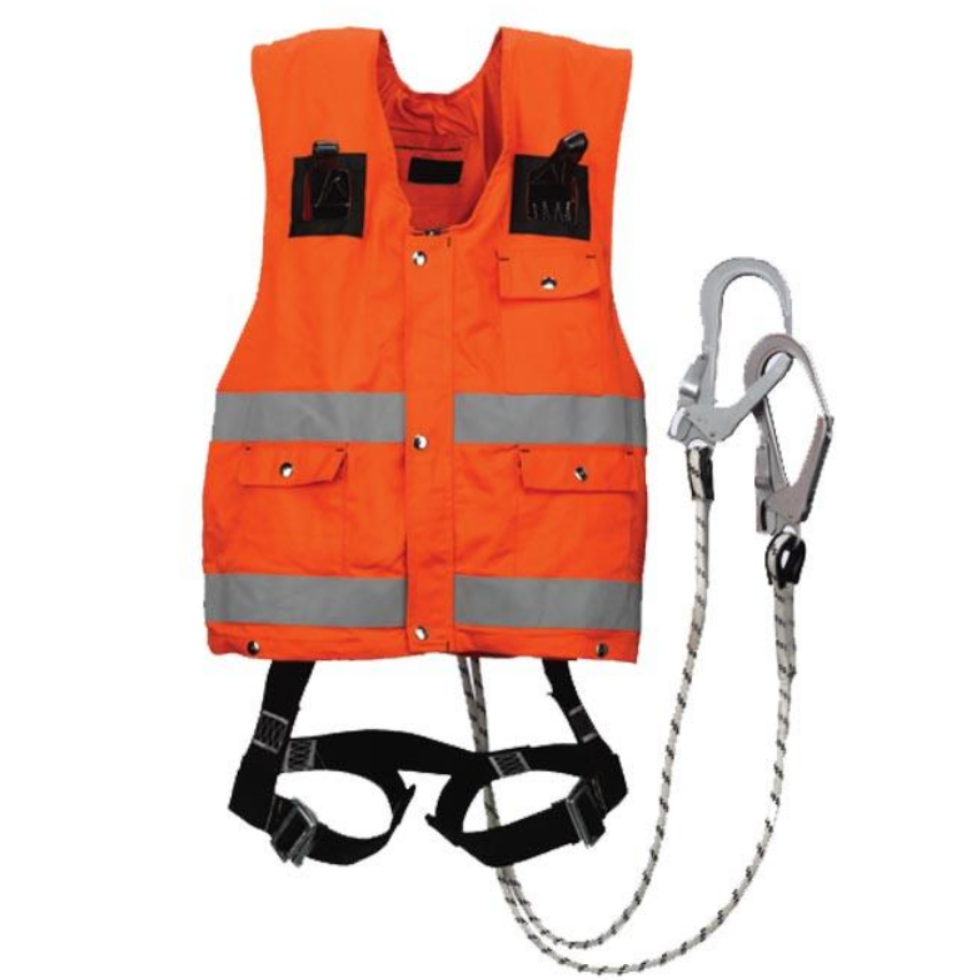 FR Harness with FR Jacket
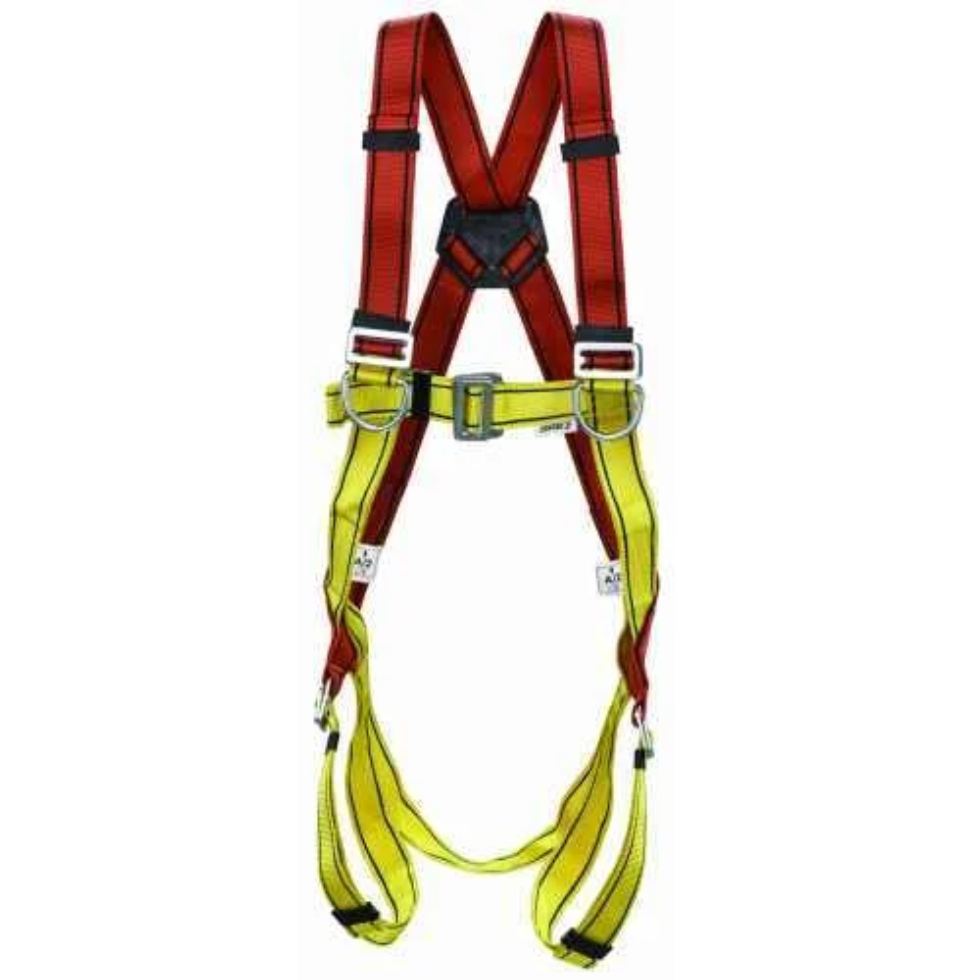 QMAX4D60 Full Body Safety Harness or Safety Belt
QMAX4SHAP60 Full Body Safety Harness or Safety Belt
QMAX4D60 Full Body Safety Harness or Safety Belt
QMAX4SHAP60 Full Body Safety Harness or Safety Belt
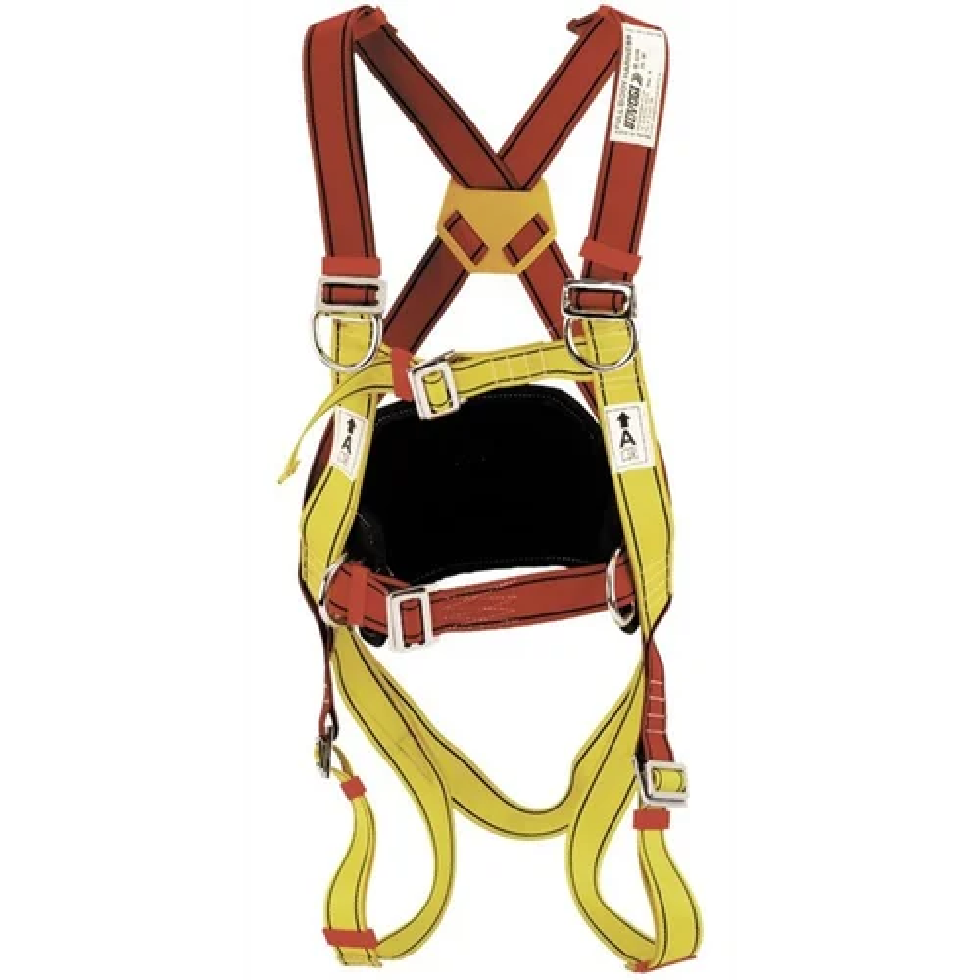 QMAX5 Safety Harness or Safety Belt
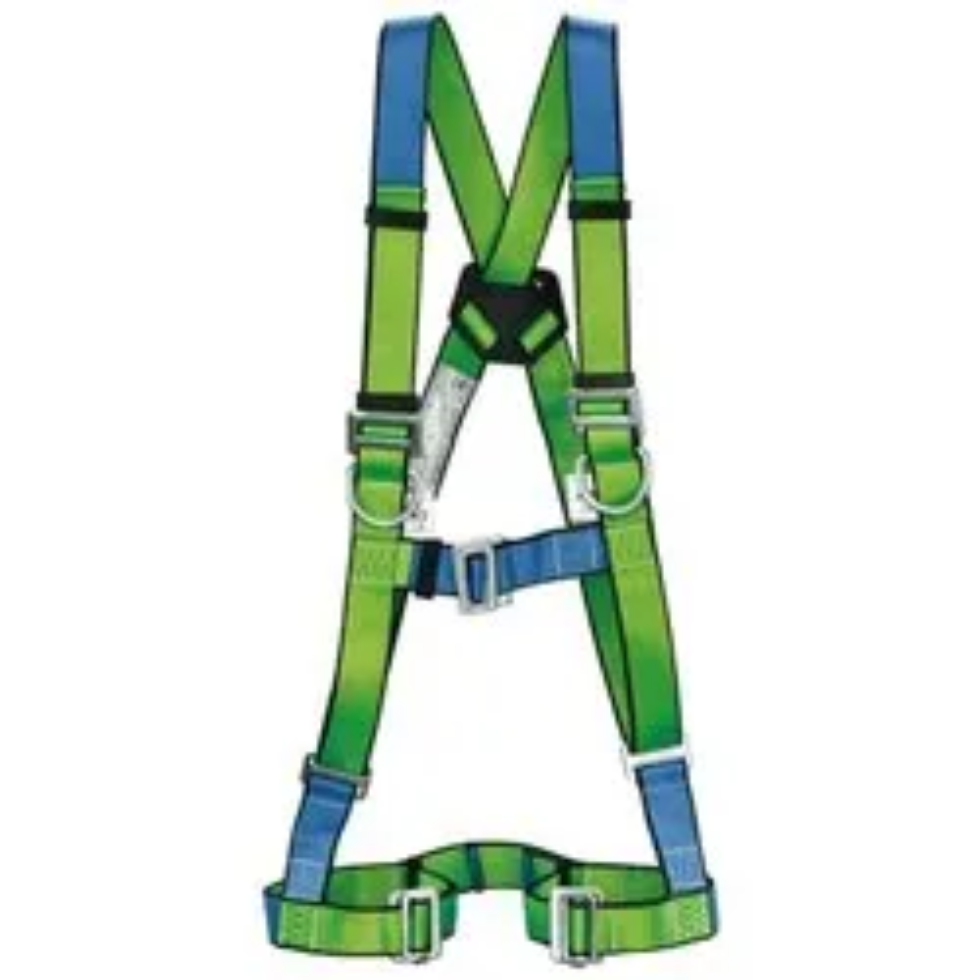 TANGO2DP60 Full Body Safety Harness or Safety Belt
TANGO2SHAP60 Safety Harness or Full Body Safety Belt
TANGO2SHAP60ST Full Body Safety Harness or Safety Belt
TANGO2DP60 Full Body Safety Harness or Safety Belt
TANGO2SHAP60 Safety Harness or Full Body Safety Belt
TANGO2SHAP60ST Full Body Safety Harness or Safety Belt
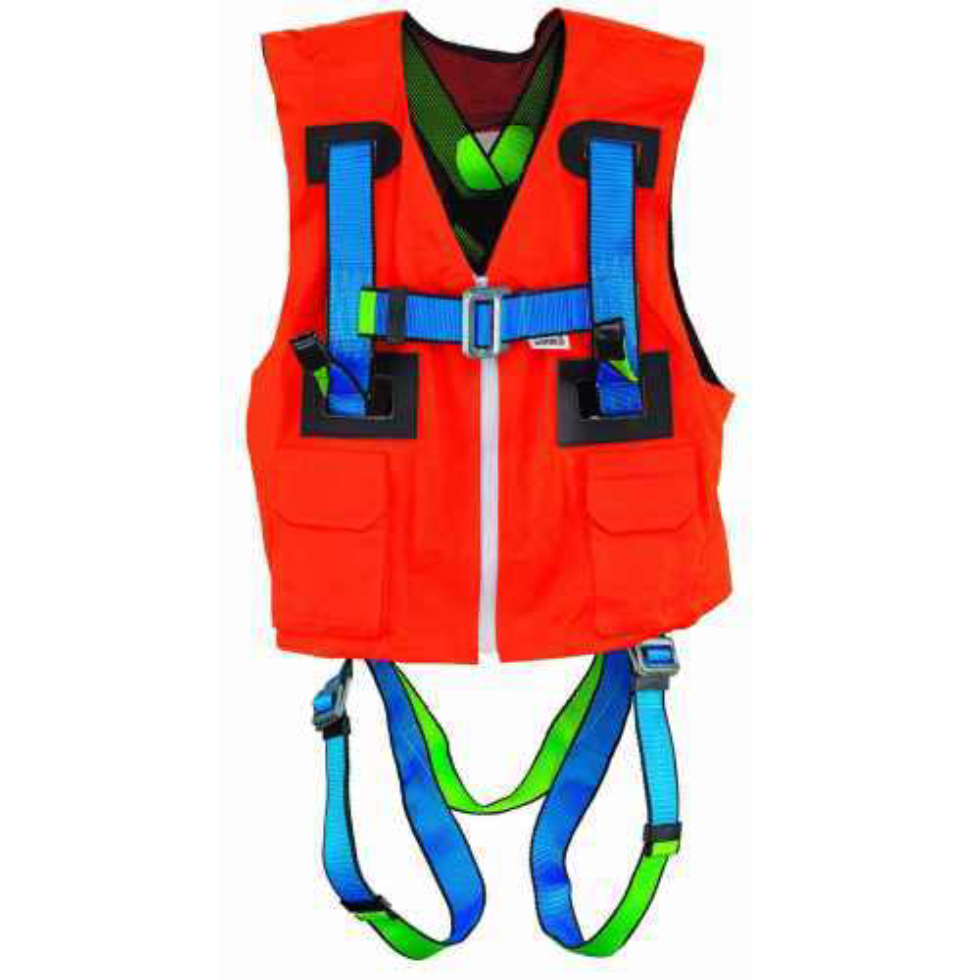 UB102JK Reflective Jacket Safety Harness
Safety Harness Or Safety Belt
Frequently Asked Questions
Quick answers to the questions buyers and EHS teams ask most about safety harness or safety belt. Need bulk pricing or a specific spec? Contact our team.
What is the difference between a safety harness and a safety belt?
A full-body safety harness (EN 361) distributes fall-arrest forces across the thighs, pelvis, chest and shoulders, keeping the wearer upright after a fall. A safety belt only restrains at the waist and is unsafe for fall arrest because it can cause severe spinal injury. For work at height, always use a full-body harness.
Which standard should a full-body harness meet?
A fall-arrest harness should meet EN 361, which specifies the attachment points, webbing strength and dynamic performance needed to arrest a fall. Many models also combine EN 358 for work positioning and EN 813 for a sit or rope-access attachment. Buyers can request certification documents and test reports to verify compliance before deployment.
How do I choose the right harness attachment points?
Choose attachment points by task. The dorsal (back) D-ring is the primary fall-arrest connection; a sternal (front) D-ring suits ladder climbing and rescue; side D-rings are for work positioning only and never fall arrest; and a ventral point serves rope access. Match the harness configuration to your workers' specific job at height.
How often should a safety harness be inspected or replaced?
A harness should be checked by the user before every use and formally examined by a competent person at least every six to twelve months. Replace it immediately after it arrests a fall, or if you find cut webbing, deformed D-rings, chemical damage or corroded buckles. Always observe the manufacturer's stated maximum service life.