
Works In Suspension
Works In Suspension Dealers and Supplier
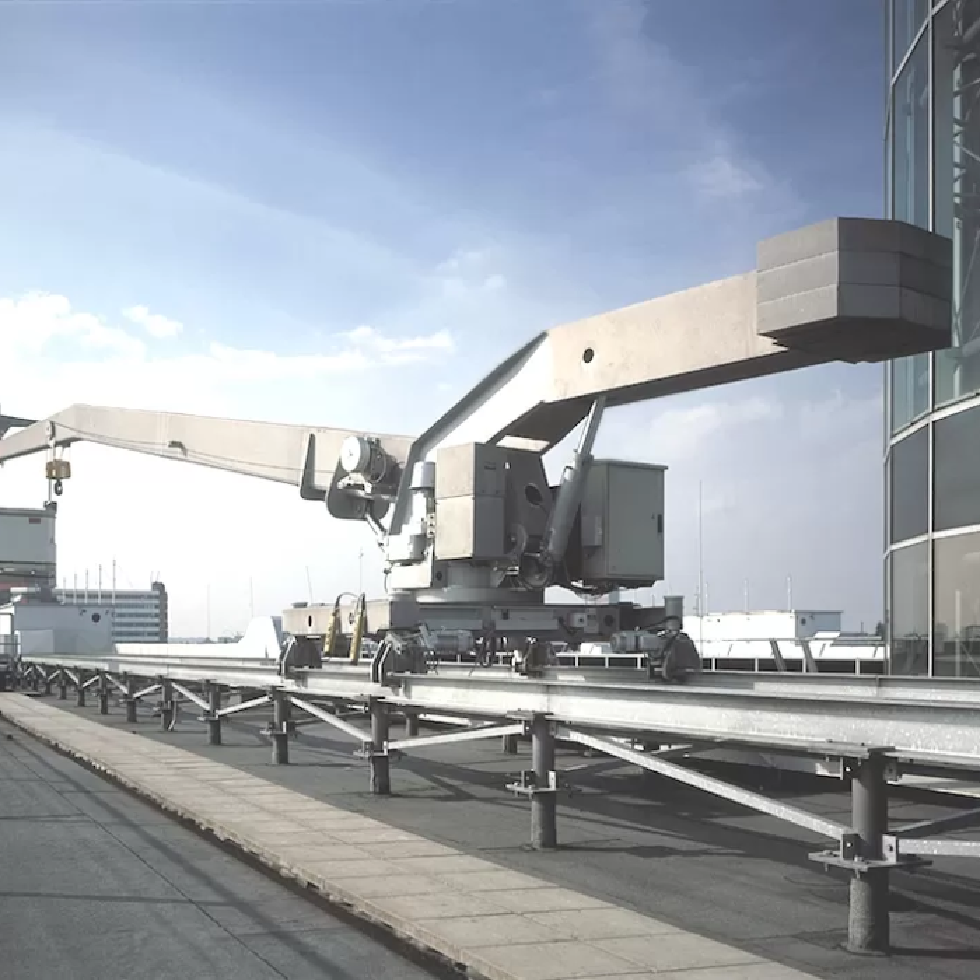
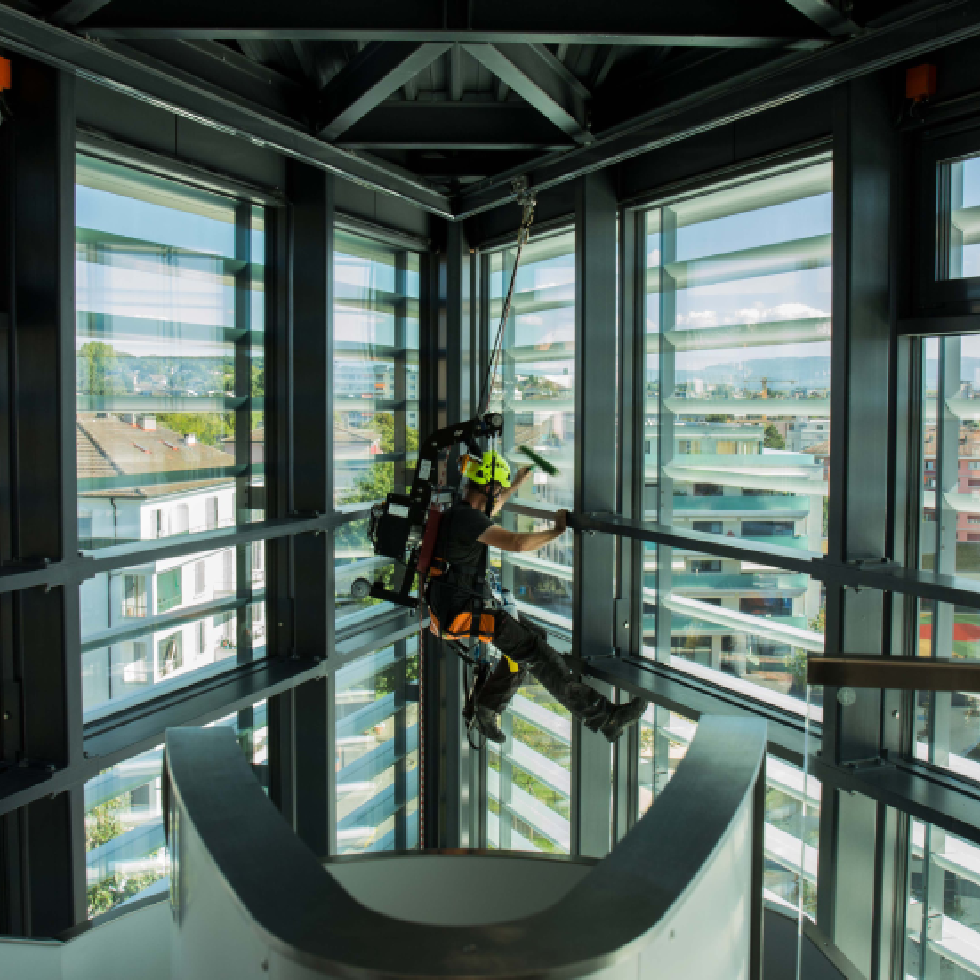
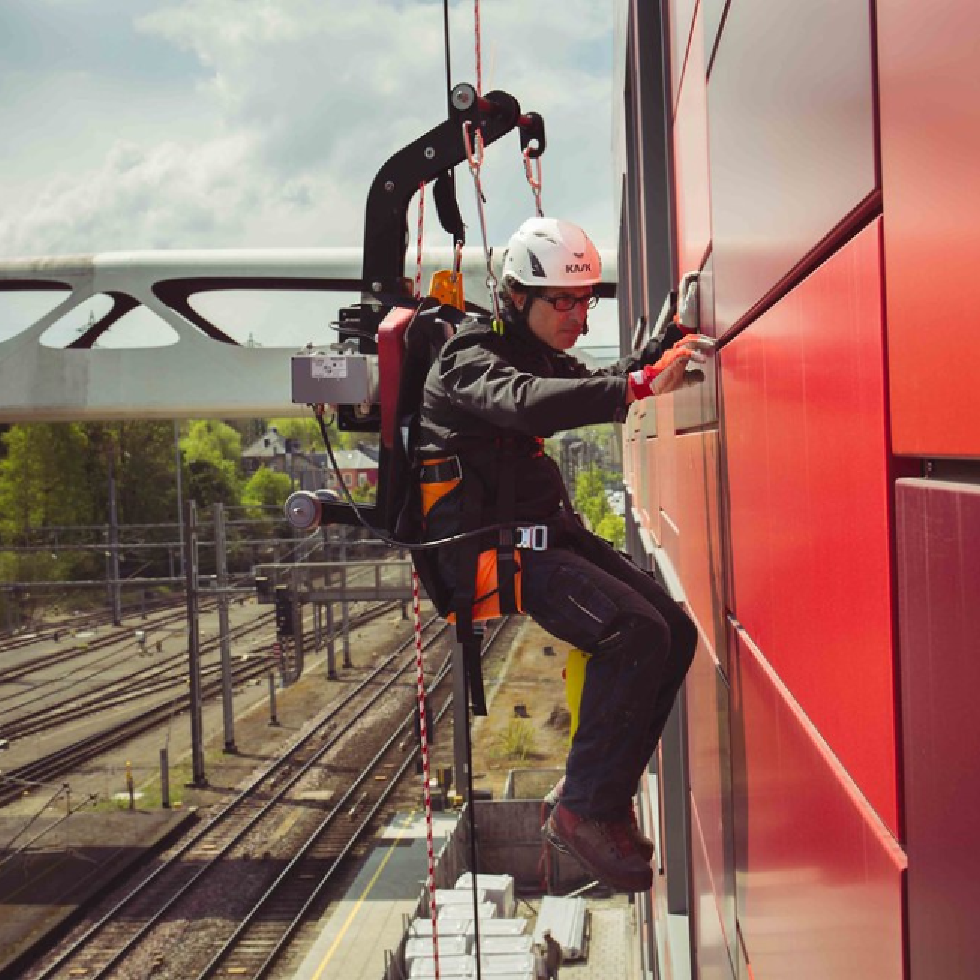
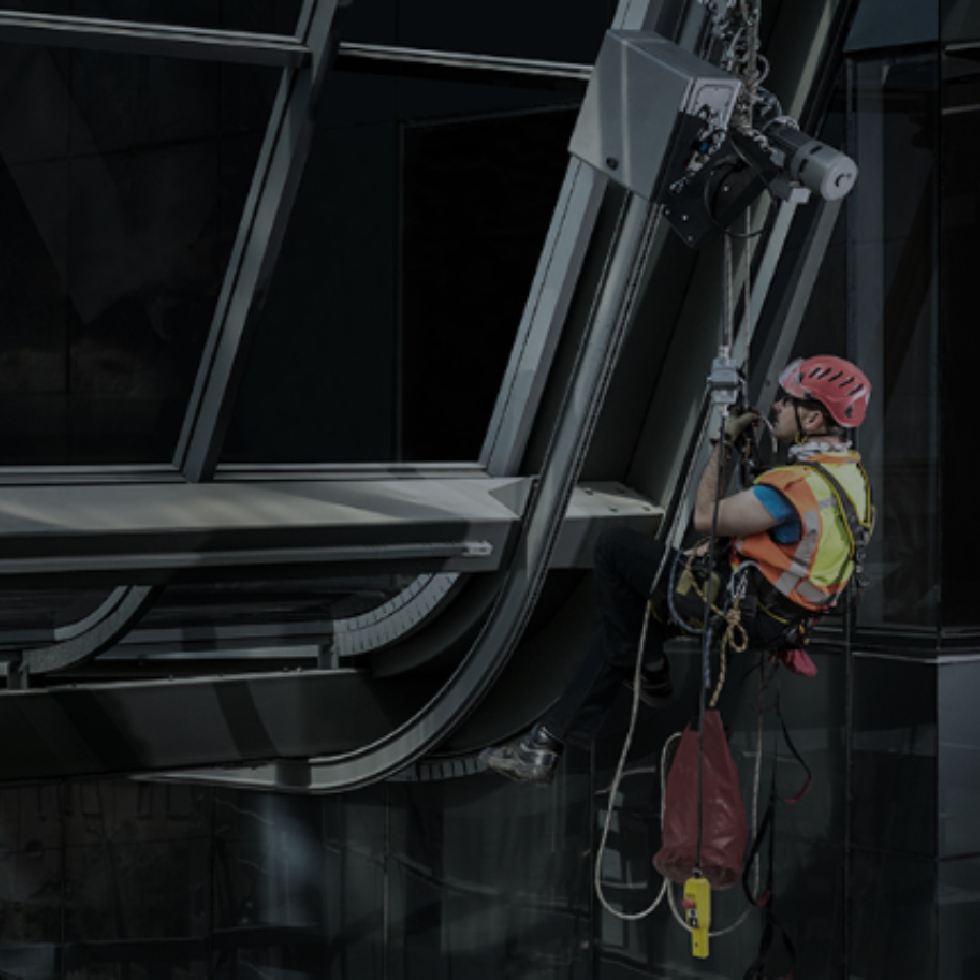
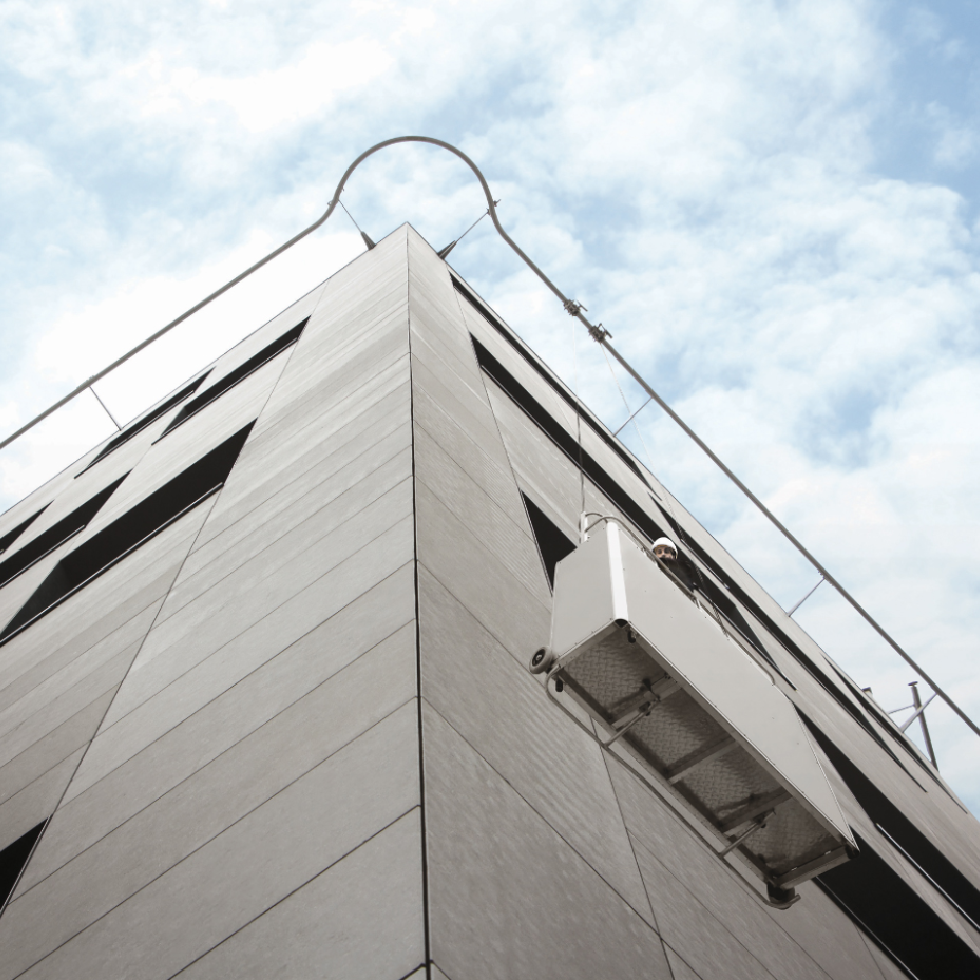
Works in suspension refer to tasks performed while a worker is suspended in the air using specialized equipment, such as rope access systems, for activities at height or in difficult-to-reach areas. These systems are essential for industries like construction, facade cleaning, window maintenance, and offshore operations. Safetywala Equipments LLP provides certified and reliable suspension access equipment designed to ensure maximum safety, comfort, and mobility for users. These setups typically include full-body harnesses, ascenders, descenders, ropes, and anchor systems, all engineered for secure performance under vertical work conditions.
Works In Suspension
Frequently Asked Questions
Quick answers to the questions buyers and EHS teams ask most about works in suspension. Need bulk pricing or a specific spec? Contact our team.
What does 'works in suspension' mean in fall protection?
Work in suspension means the worker is supported by the equipment in tension, hanging on a rope or in a seat rather than standing, as in rope access, window cleaning and industrial abseiling. It requires a harness with a ventral or seat attachment (EN 813), a working line and an independent back-up fall arrester.
Which standards apply to suspension work equipment?
Suspension work uses a sit-harness attachment to EN 813, rope-adjustment descenders and back-up devices to EN 12841 (types C and A), and connectors to EN 362. A separate safety line always backs up the working line. Buyers can request certification documents to confirm devices match their rope diameter and load requirements for rope-access tasks.
What are the main risks of working in suspension?
The main risks are suspension trauma, where prolonged motionless hanging causes blood to pool and can be fatal, plus rope damage over sharp edges and single-point failure. Mitigate them with a two-rope system, edge protection, trauma-relief straps and a rescue plan able to recover a suspended worker within minutes. Trained supervision is essential throughout.
What is required before doing work in suspension?
Workers must hold formal rope-access or industrial-rope training, work under competent supervision, and follow a documented rescue plan. Equipment needs a pre-use check and a competent-person examination at least every six months. Always rig a working line and an independent safety line with a back-up fall arrester, and protect ropes from sharp edges.