

Heat Protection
Heat Protection Dealers and Supplier
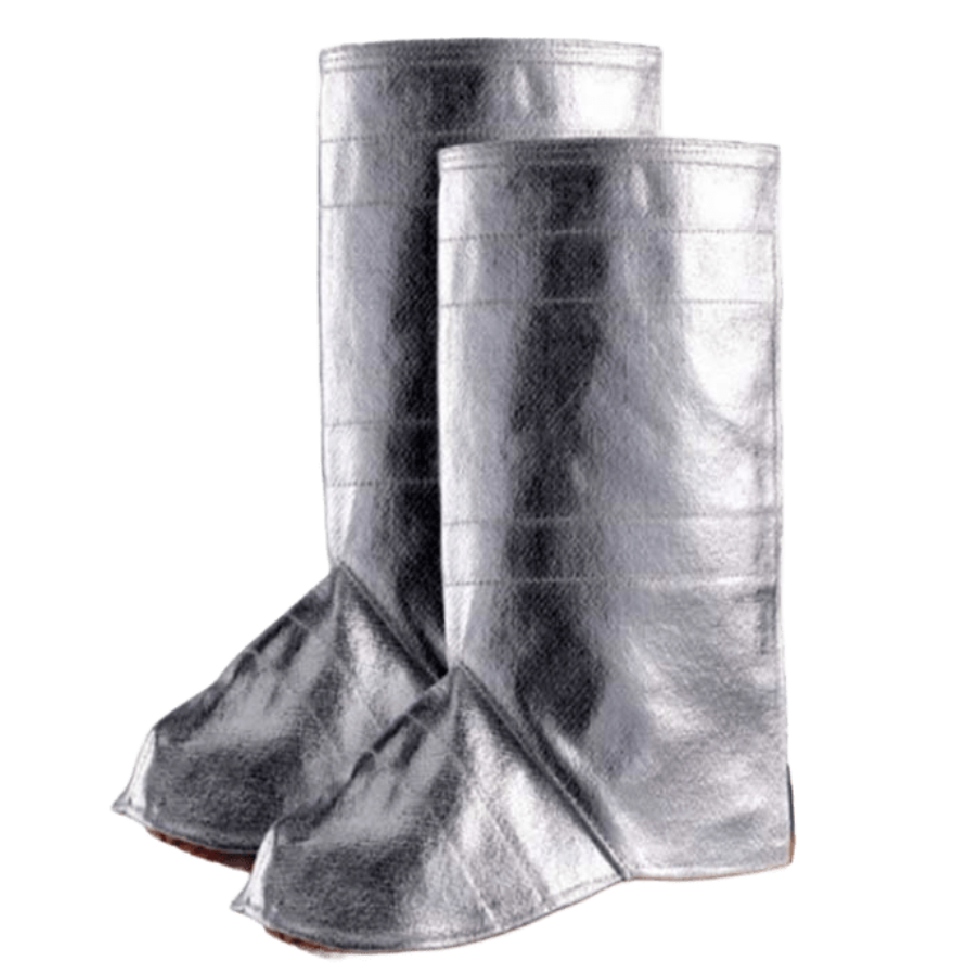
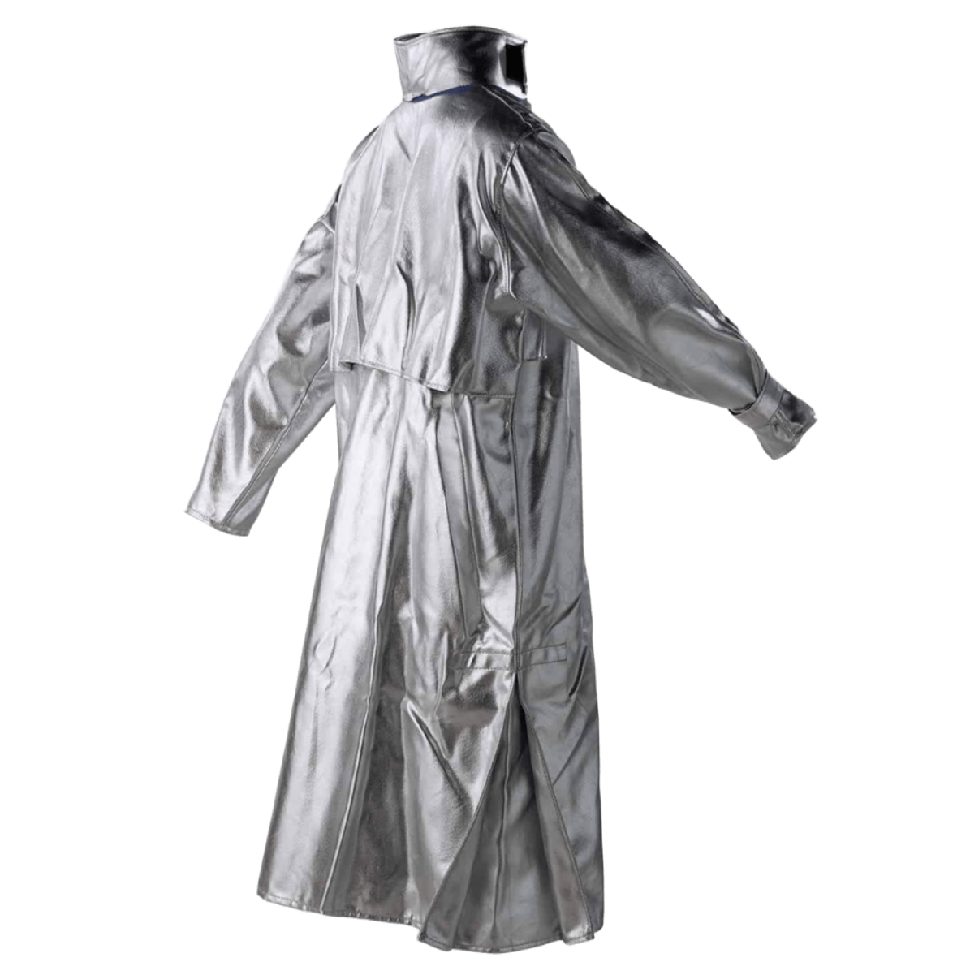
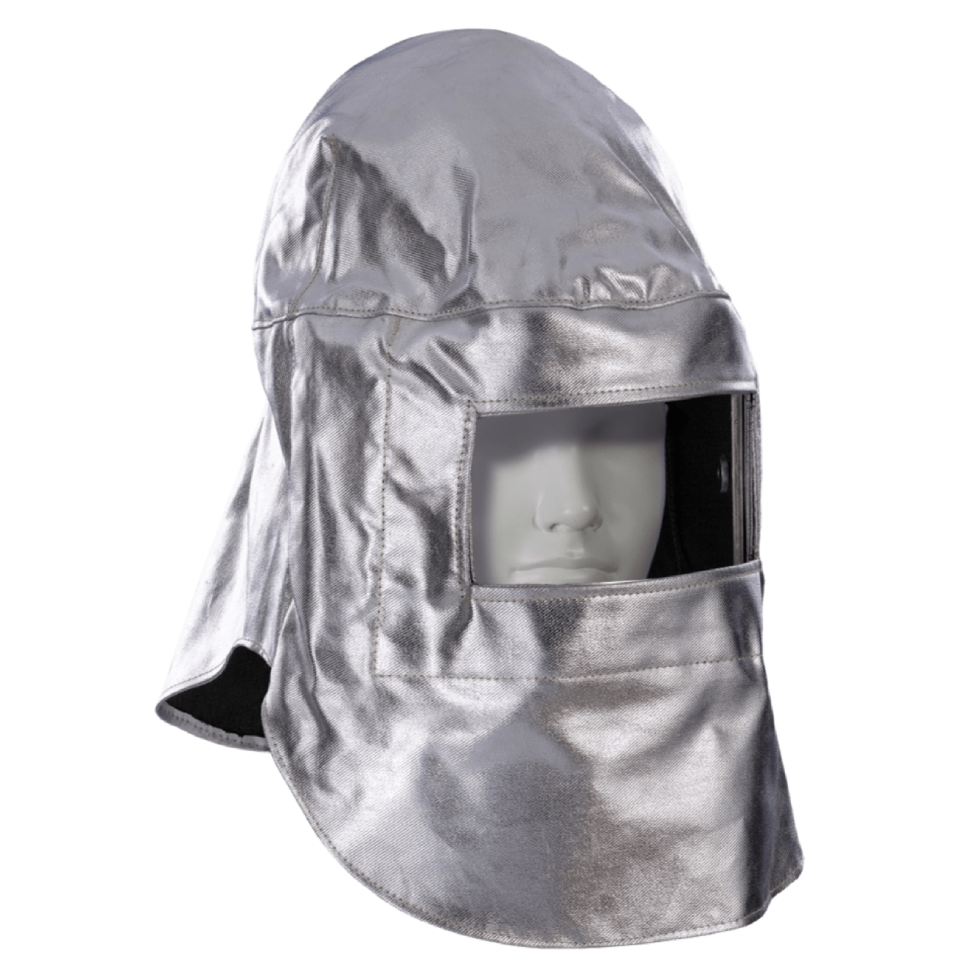
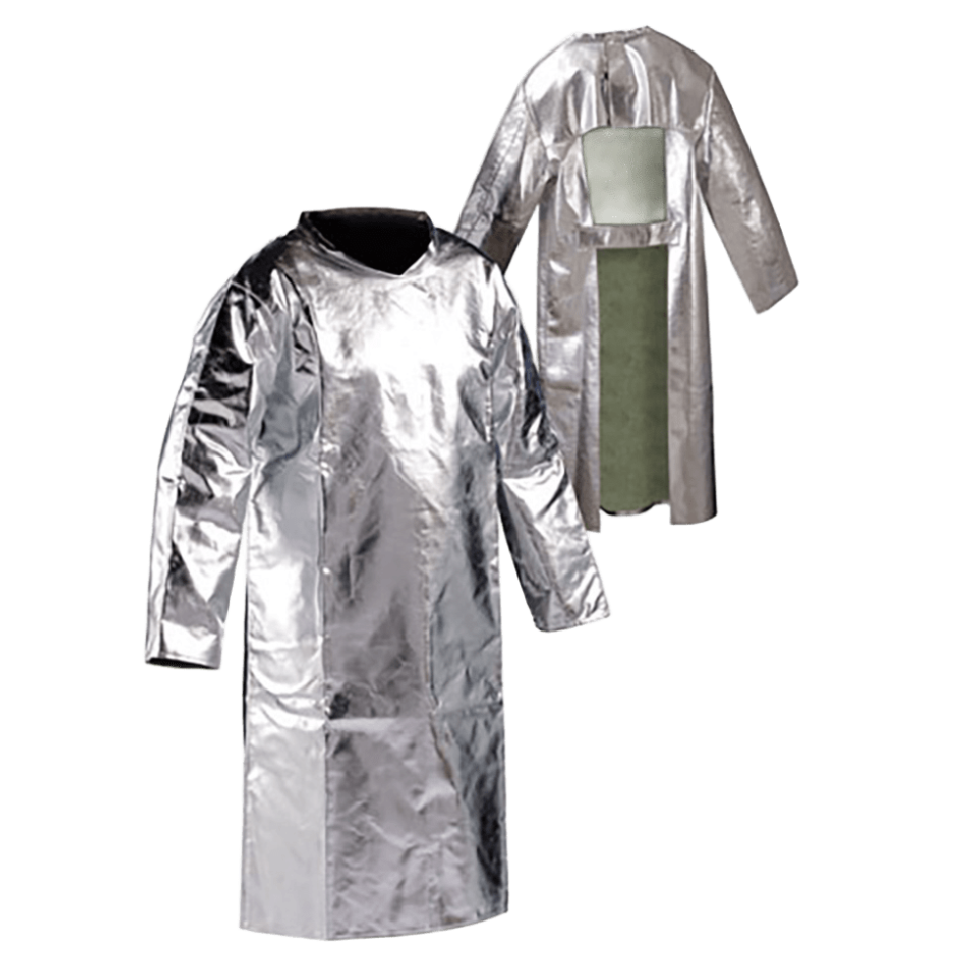
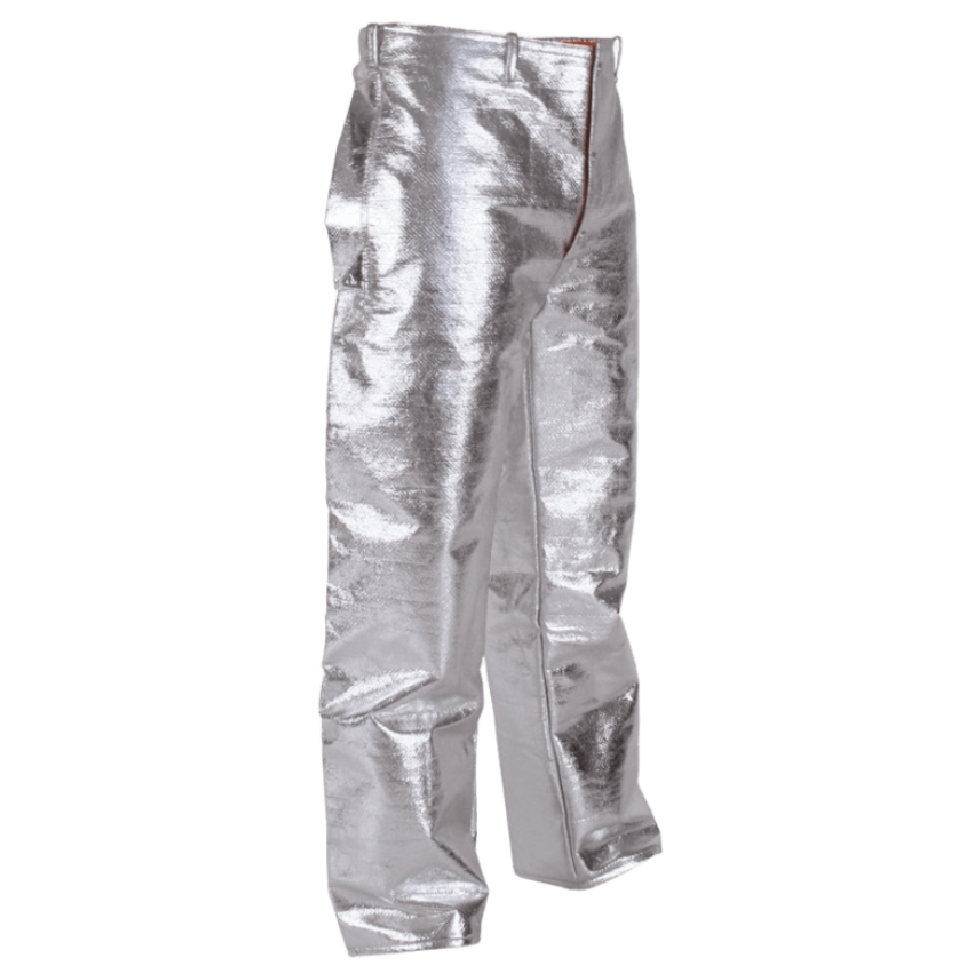
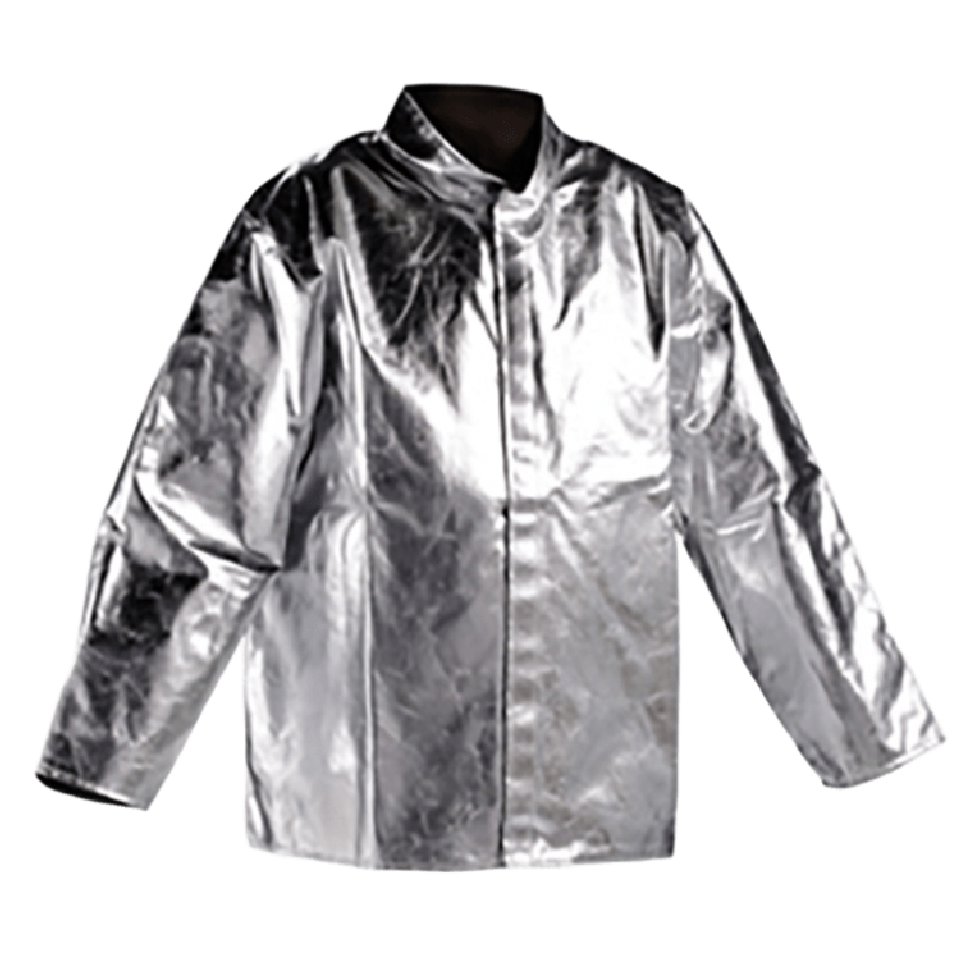
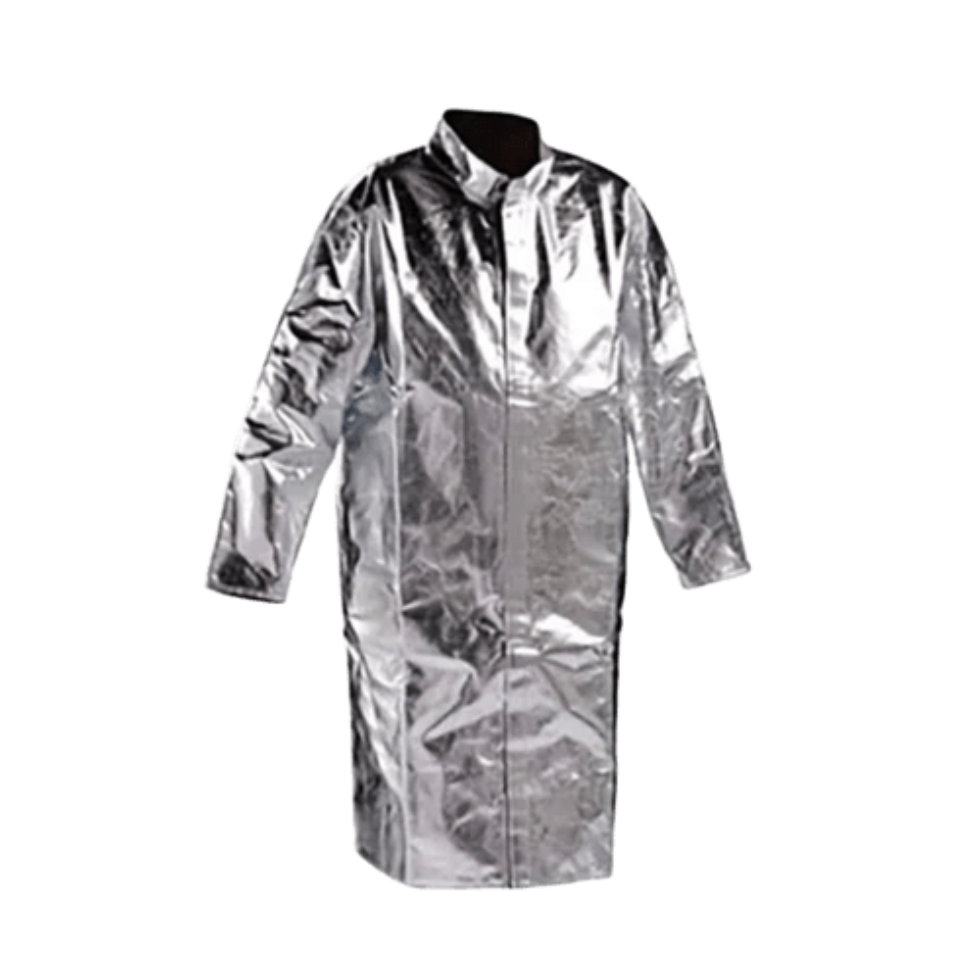
Heat Protection garments are specialized safety wear designed to protect workers from extreme temperatures, radiant heat, molten splashes, and thermal exposure. These protective solutions are essential in industries such as foundries, welding, glass manufacturing, and metal processing, where high-heat conditions pose serious risks. Made from advanced fire-resistant and heat-insulated materials, these garments ensure both safety and mobility during operations. Safetywala Equipments LLP offers a complete range of heat protection clothing engineered to withstand harsh environments while ensuring maximum comfort, compliance, and worker safety in high-temperature work zones.
Heat Protection
Frequently Asked Questions
Quick answers to the questions buyers and EHS teams ask most about heat protection. Need bulk pricing or a specific spec? Contact our team.
What garments are included in heat protection clothing?
Heat protection clothing includes aluminised suits, jackets and aprons, heat-resistant gloves and hoods, and coveralls tested to EN ISO 11612 for heat and flame. These guard against radiant, convective and contact heat at furnaces, foundries, kilns and molten-metal work. The right garment depends on heat type and intensity. We supply heat protection to B2B buyers and provide standard documentation on request.
What standard covers industrial heat protective clothing?
EN ISO 11612 rates clothing against heat and flame, with letter codes for limited flame spread and for convective, radiant, molten aluminium and molten iron heat. Aluminised proximity gear additionally addresses high radiant loads. Check that the code letters match your specific heat source. Ask us for the EN ISO 11612 performance codes on any garment before bulk ordering.
How do I choose heat protection for furnace or foundry work?
Identify the dominant heat: radiant heat from furnaces favours aluminised reflective garments, while molten-metal splash needs fabrics rated for molten aluminium or iron under EN ISO 11612. Cover all exposed skin with matched hood, gloves and spats. Consider comfort and duration too. Share your process temperature and heat type and we will recommend a suitable heat ensemble.
How should heat protective clothing be maintained?
Inspect garments before each use for tears, charring, stiffened fabric or damaged aluminised coating, since these reduce heat performance. Follow the maker's cleaning instructions, as aggressive washing degrades reflective and treated layers. Retire clothing that no longer performs. We supply heat protection ready for industrial rotation and can provide specification and EN ISO 11612 documents for your safety records.