

Anchors
Anchors Dealers and Supplier
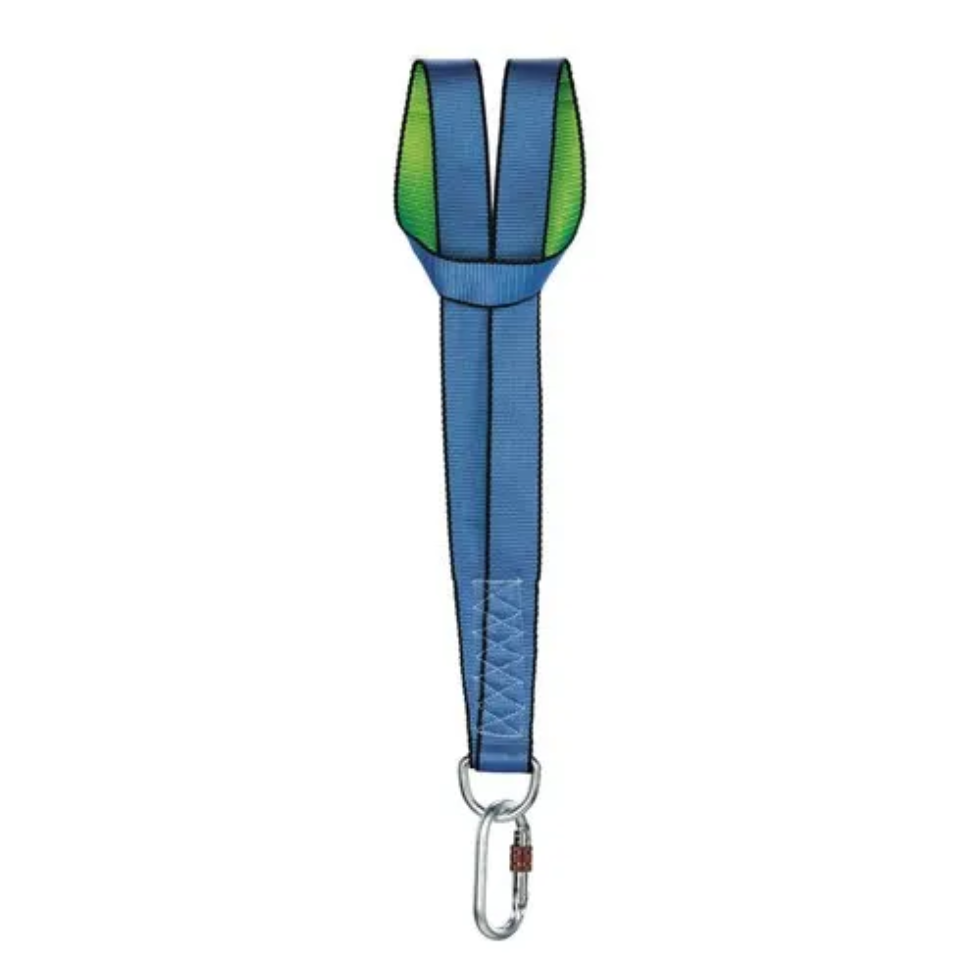
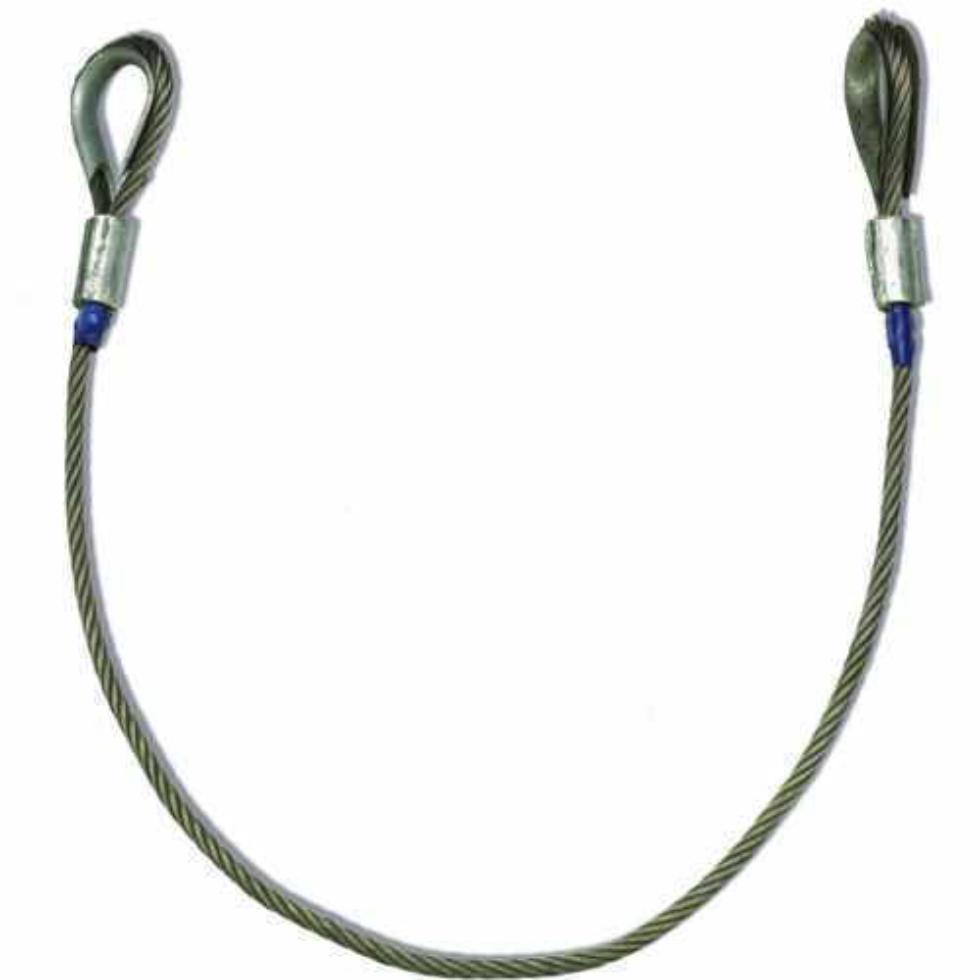
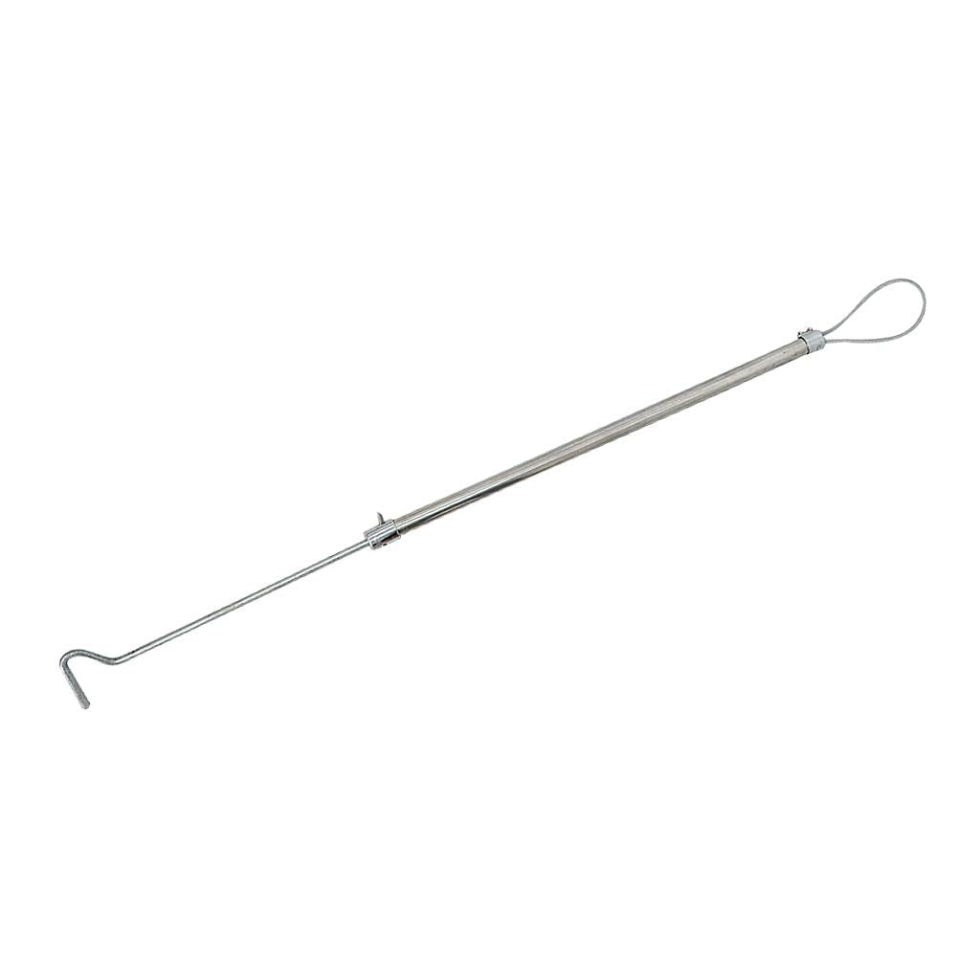
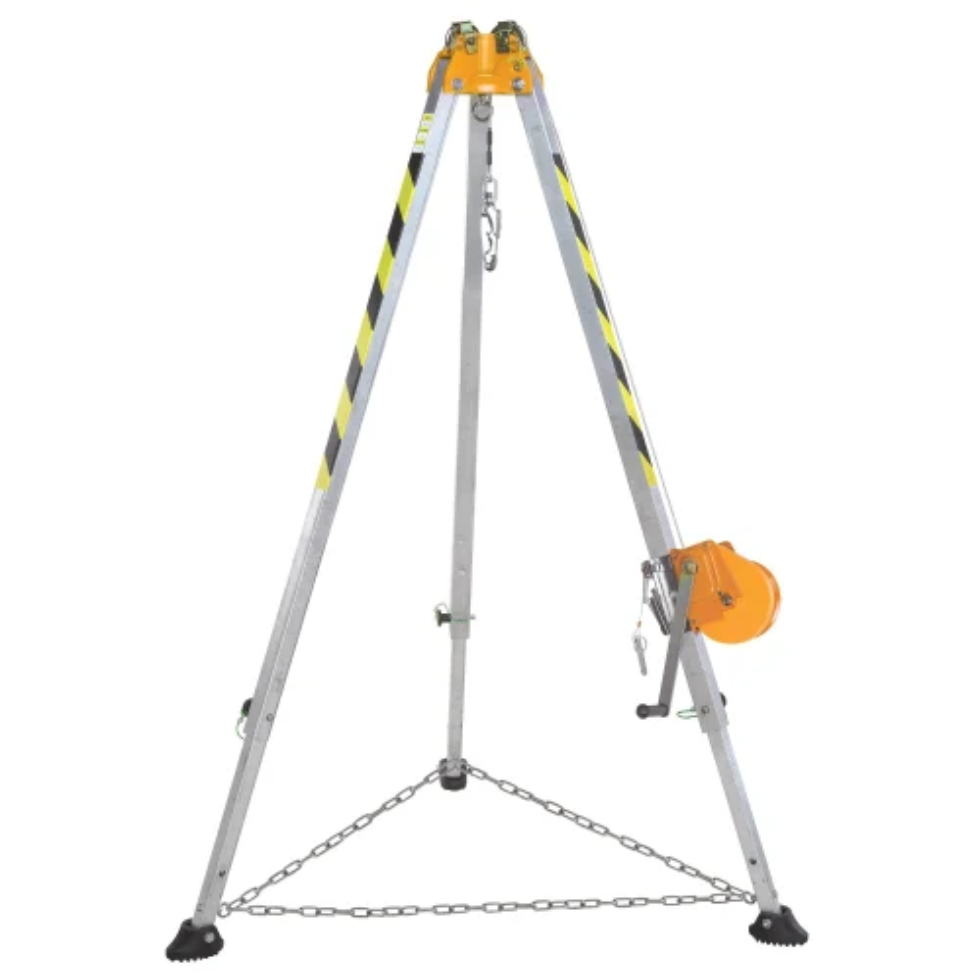
Safetywala Equipments LLP, we offer a wide range of certified anchorage solutions suitable for permanent or temporary use across different industries. Anchors are essential components of fall protection systems, designed to provide secure attachment points for connecting lanyards, lifelines, or other fall arrest devices. These devices are installed on various structures such as rooftops, beams, walls, or fixed ladders, and must be capable of withstanding high impact forces. Anchors are critical in ensuring the overall safety and stability of a fall arrest system, helping prevent serious injuries.
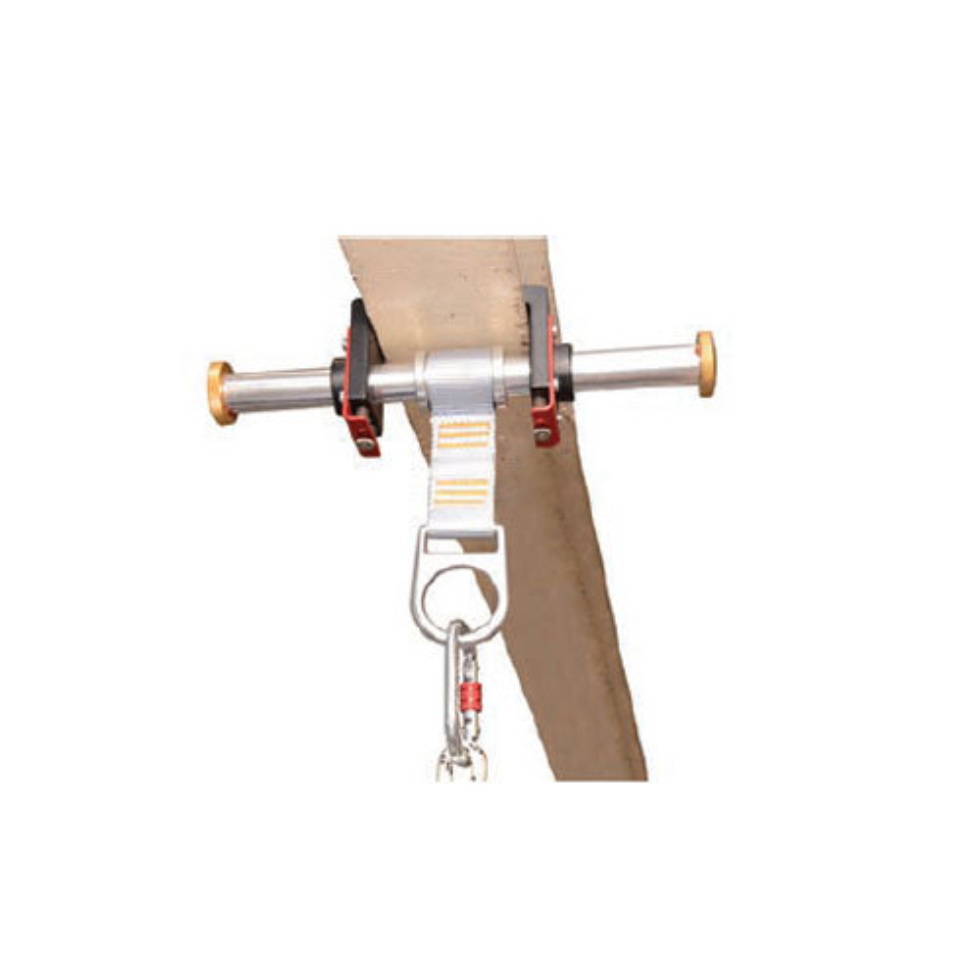
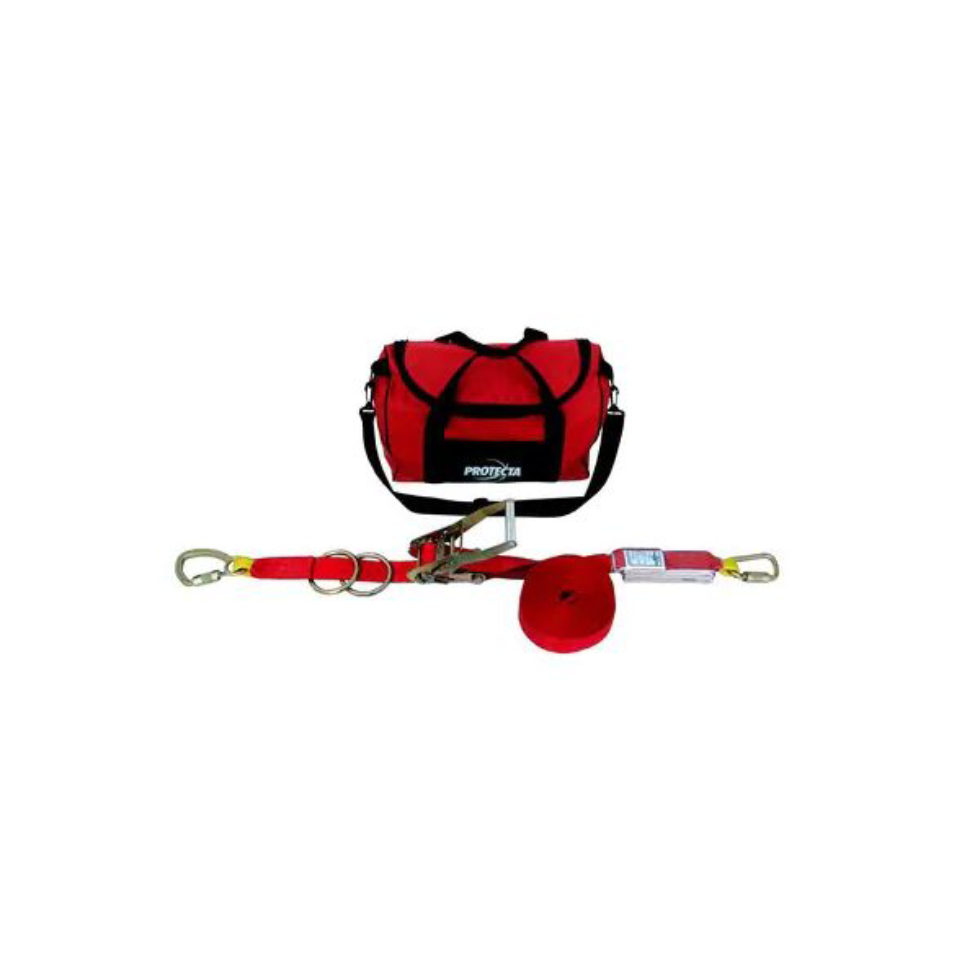
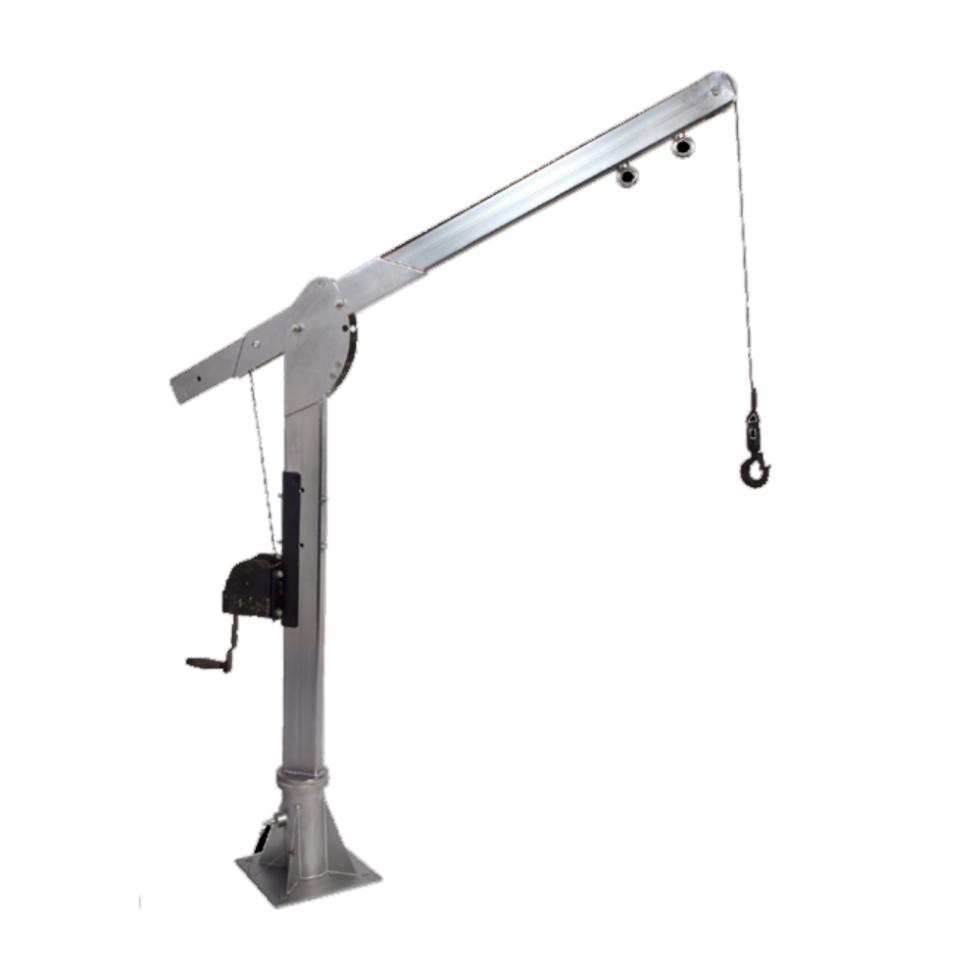
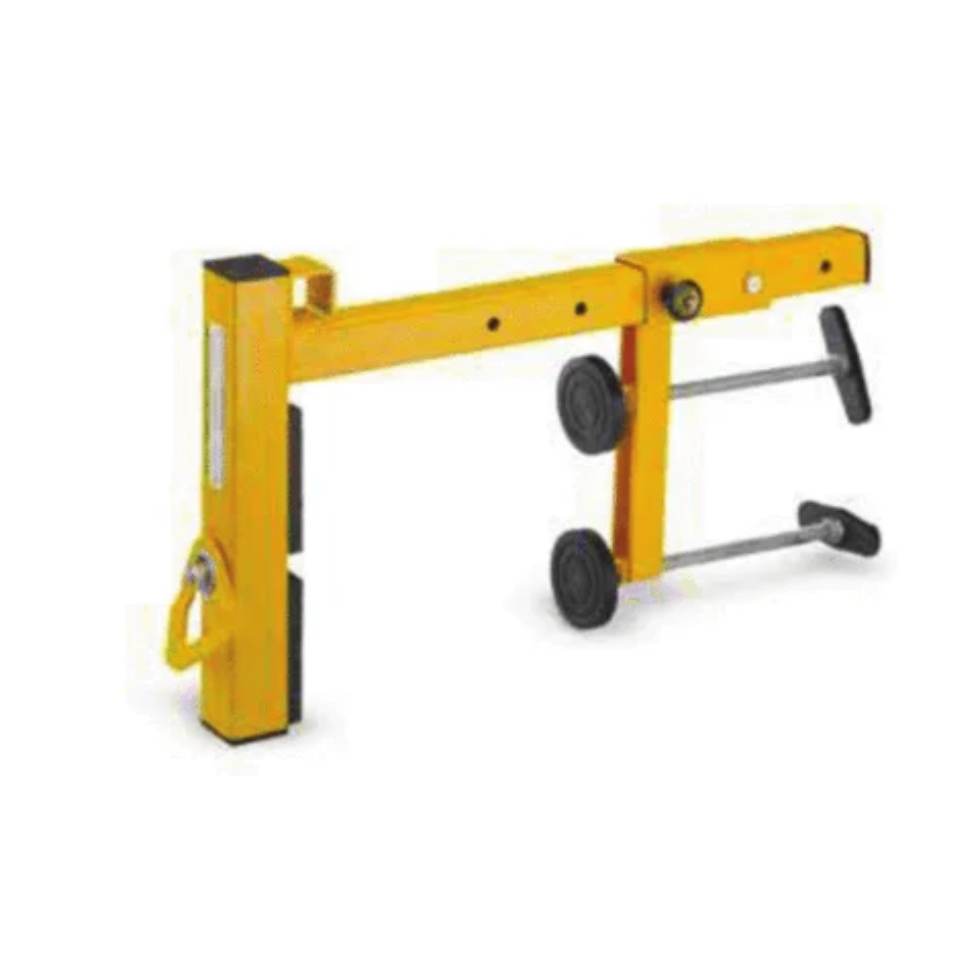
Anchors
Frequently Asked Questions
Quick answers to the questions buyers and EHS teams ask most about anchors. Need bulk pricing or a specific spec? Contact our team.
What types of anchor points are used for fall protection?
Anchor points certified to EN 795 come in several types: type A fixed structural anchors, type B temporary transportable anchors, type C horizontal flexible lifelines, type D horizontal rigid rails, and type E deadweight anchors for flat roofs. The right type depends on the structure, whether the anchor is permanent, and the number of users.
How strong must a fall-arrest anchor be?
A fall-arrest anchor should meet EN 795 and withstand the loads specified for its type, commonly in the region of 10 to 12 kilonewtons for a single user, with structural anchors verified by a competent person. Actual strength depends on the substrate. Buyers can request certification documents and pull-test data for their records.
Where should an anchor point be positioned?
Position an anchor point at or above the worker's dorsal attachment wherever possible to reduce free-fall distance and prevent a pendulum swing. It must be on sound structure capable of taking the full arrest load. Avoid working far to the side of an anchor, as a swing fall can cause serious impact injuries.
Do anchor points need regular inspection?
Yes. Permanent anchors (EN 795) require inspection and recertification by a competent person, typically at least annually, plus a visual check before each use. Look for corrosion, cracked substrate, loose fixings and deformation. Temporary anchors are checked before every deployment. Keep certification and inspection records available for audits and insurance purposes.