

Safety Helmet
Safety Helmet Dealers and Supplier
Safetywala Equipments LLP, we supply premium-quality safety helmets that comply with global standards such as IS 2925 and EN 397, ensuring durability, safety, and performance in demanding work environments. Safety helmets are essential head protection equipment designed to safeguard workers from impact injuries caused by falling objects, collisions, and electrical hazards. Widely used in construction, mining, manufacturing, and electrical sectors, these helmets are engineered with high-impact-resistant shells and adjustable suspension systems for comfort and security. Some helmets come with added features like visors, ear muffs, and chin straps for comprehensive protection.
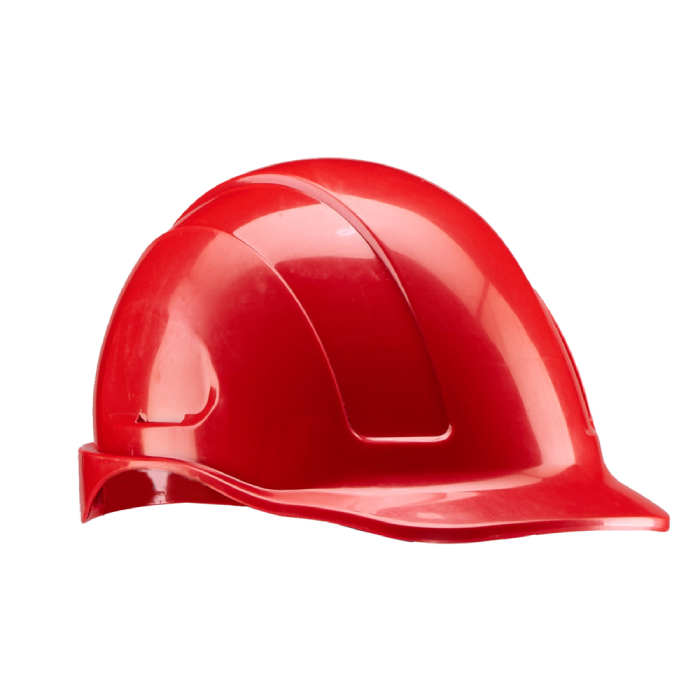 ELECTRA
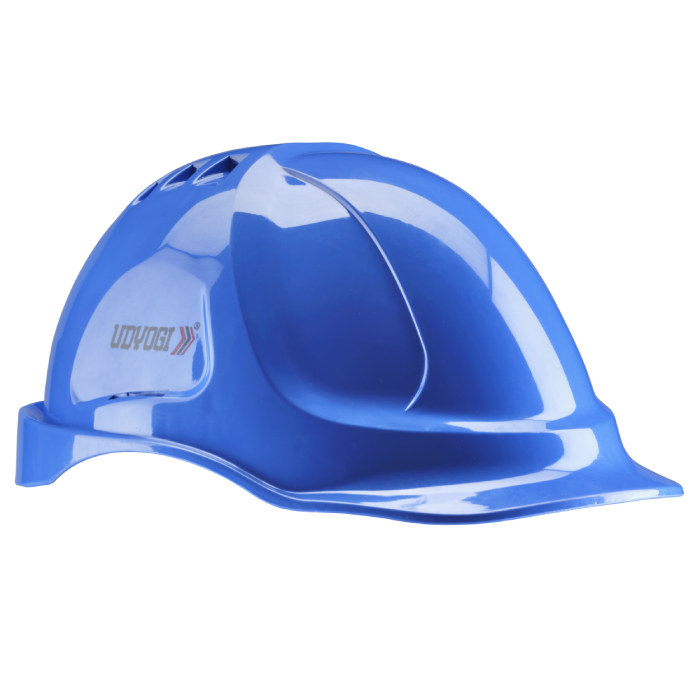 Fusion 6000 Series
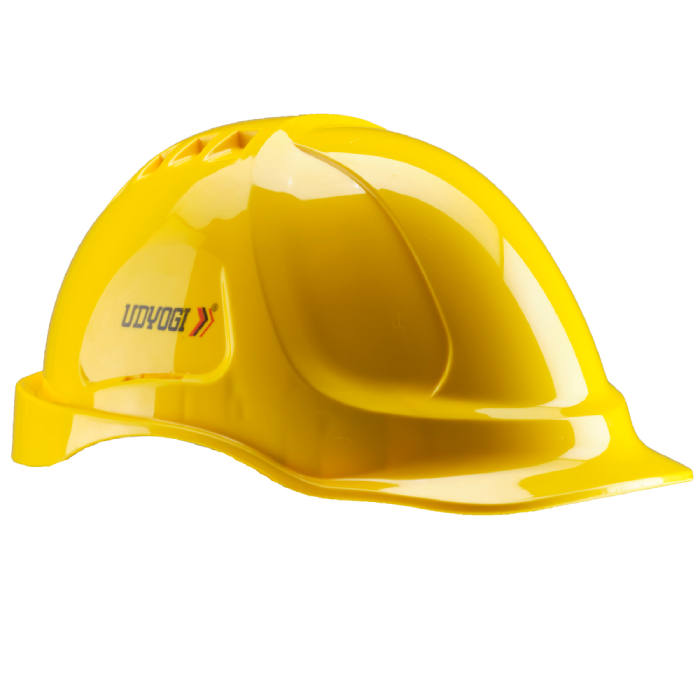 Fusion Pro
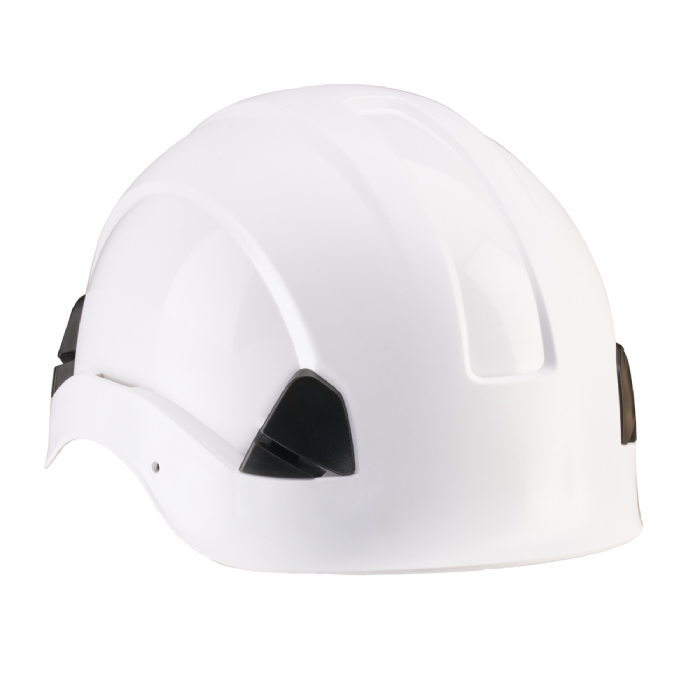 Lighton
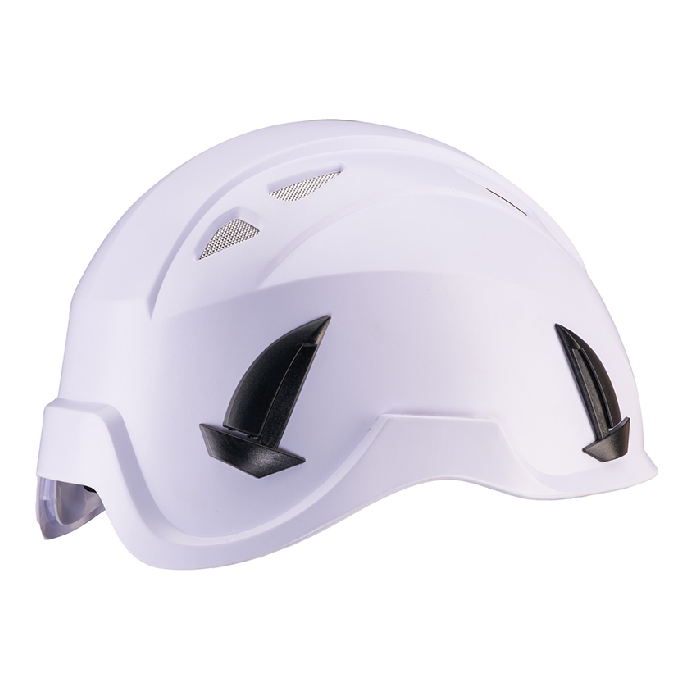 Lighton M
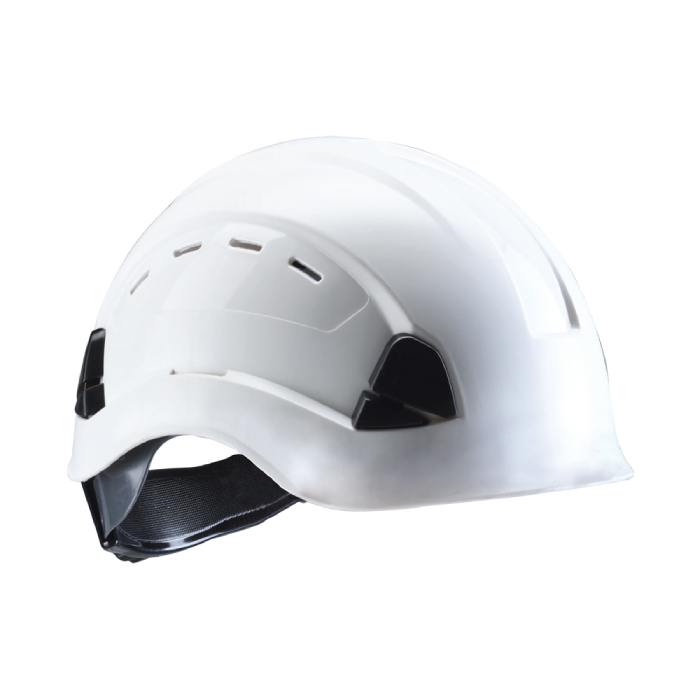 Lighton V
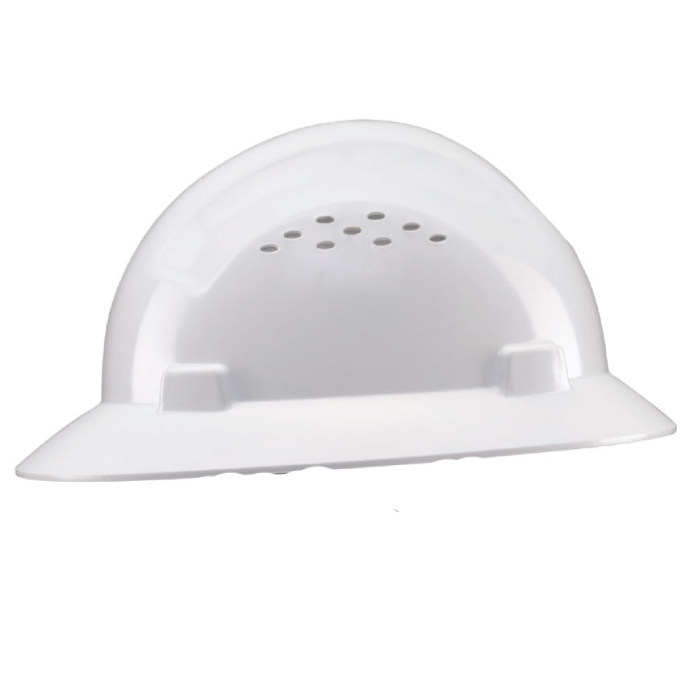 Prithvi: Safety Helmet
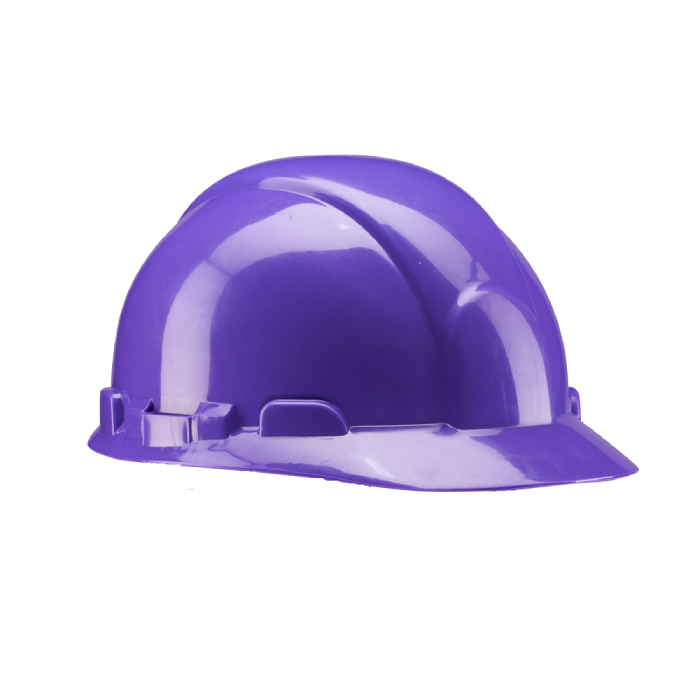 Proton 4000 Series
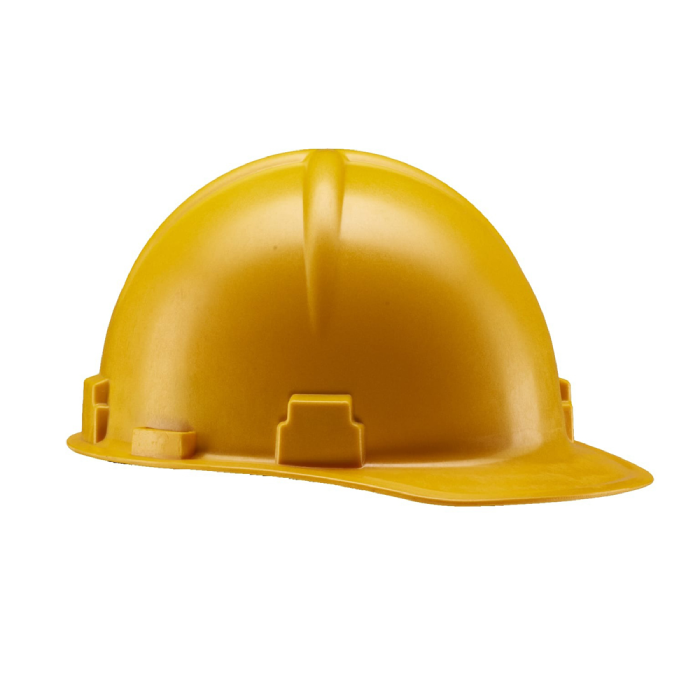 Thermoguard 9000 Series
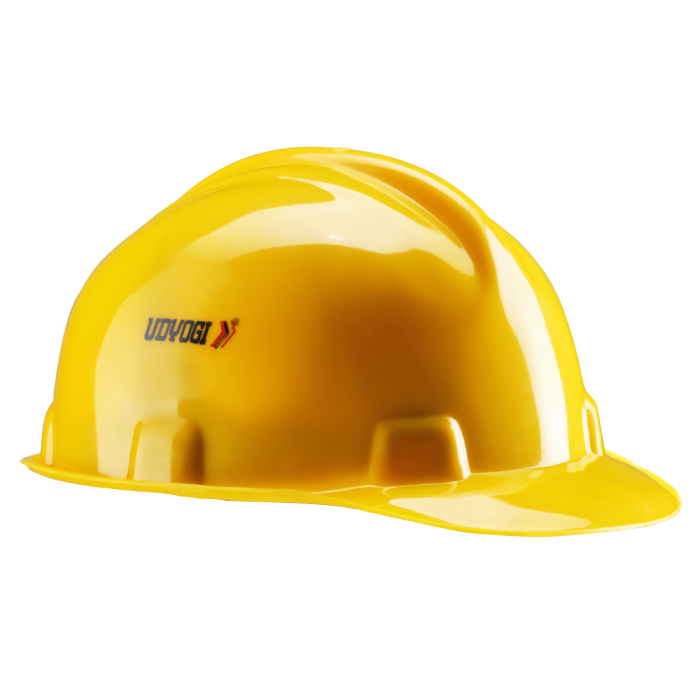 UI 1211 Slim Fit Yellow Safety Helmet
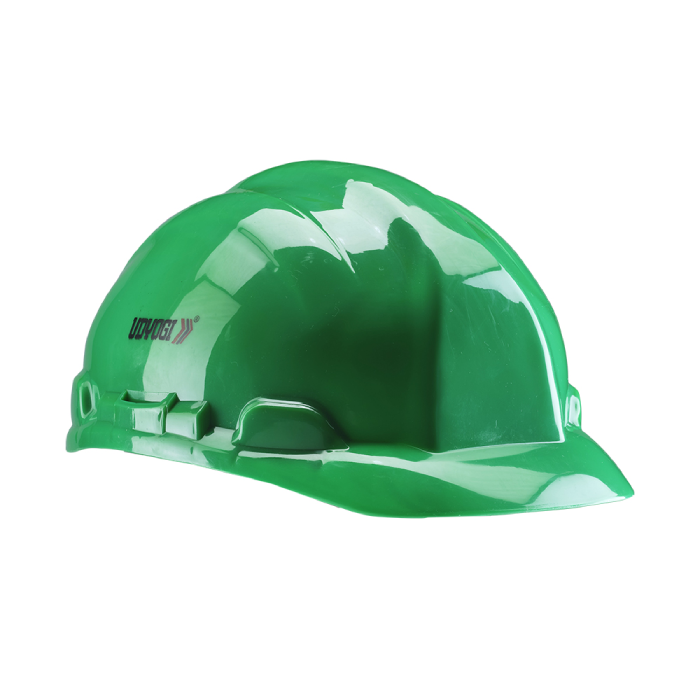 Ultra 5000 Series Green Safety Helmet
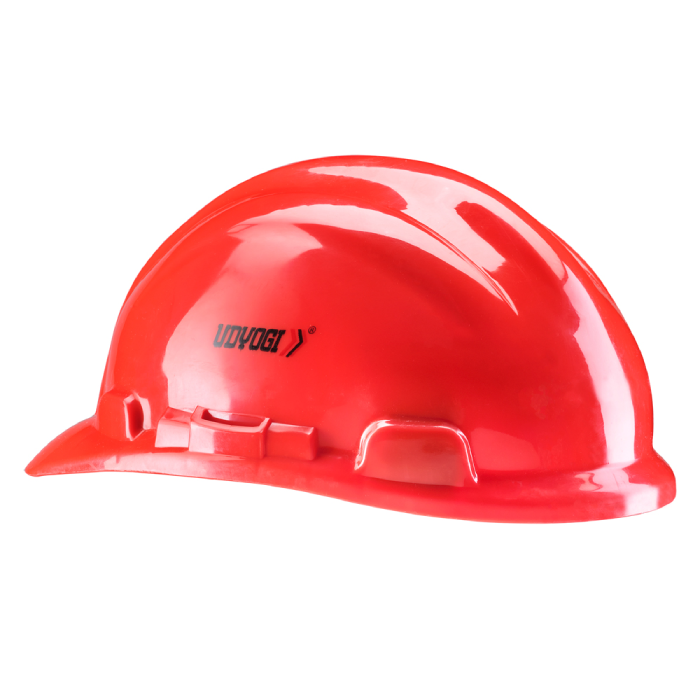 Ultra Pro 3000 Series Red Safety Helmet
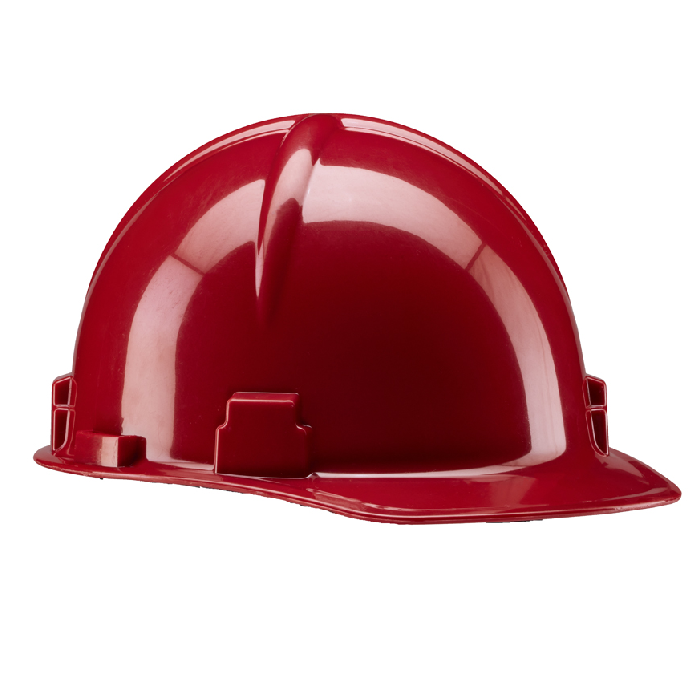 Ultra Tuff 2000 Series Red Industrial Safety Helmet
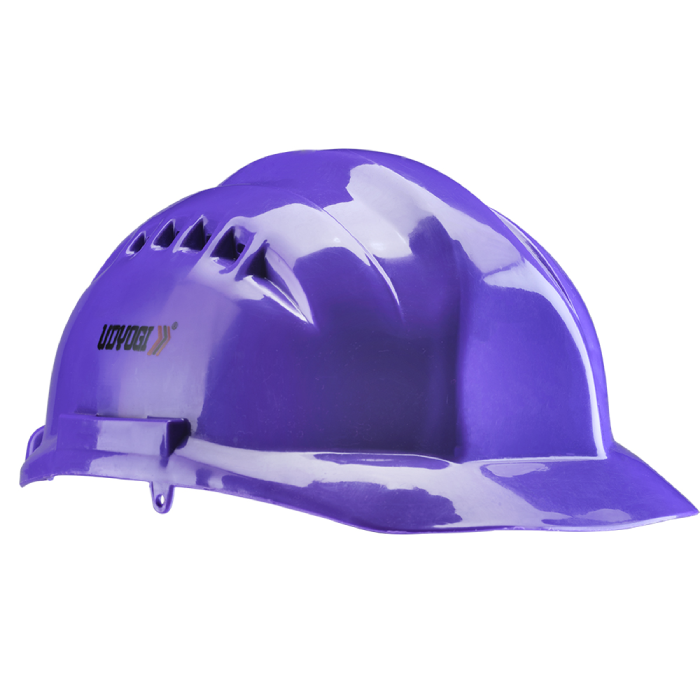 UltraVent 7000 Series
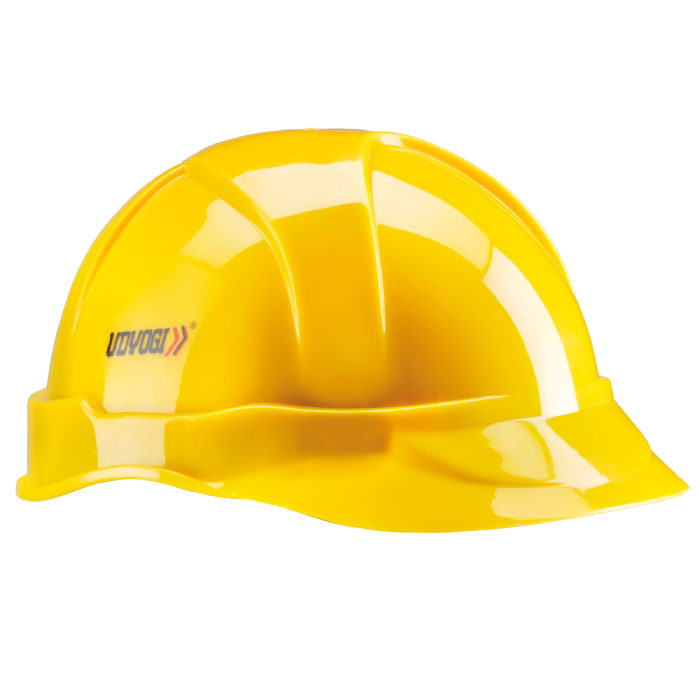 Vista 8000 Series Yellow Safety Helmet
Safety Helmet
Frequently Asked Questions
Quick answers to the questions buyers and EHS teams ask most about safety helmet. Need bulk pricing or a specific spec? Contact our team.
Which standard should an industrial safety helmet meet in India?
Industrial safety helmets in India should conform to IS 2925, which specifies impact absorption, penetration resistance and electrical insulation requirements. Helmets for export may also carry EN 397 or EN 50365 markings. Look for the BIS mark and, for electrical work, confirm the dielectric rating. Buyers can request test certificates for any helmet model listed.
What do the different safety helmet colours mean on a site?
Helmet colours are used to identify roles on Indian construction and industrial sites, though coding is not legally fixed. Commonly white denotes managers and engineers, yellow labourers, blue technicians and electricians, green safety officers and red firewatch or emergency staff. Agree a colour scheme in your site safety plan so roles are recognisable at a glance.
How long is a safety helmet usable before replacement?
Replace a safety helmet according to the manufacturer's stated service life, typically within a few years of first use, because the shell and harness degrade from UV and heat. Replace immediately after any impact, or if you see cracks, chalking or a brittle shell. Inspect the harness and suspension regularly, as these often fail before the shell.
How should a safety helmet be adjusted for a correct fit?
Adjust the headband so the helmet sits level and snug without pressure points, leaving clearance between the shell and the top of the head for impact absorption. The suspension harness should hold the shell in place when you nod or shake your head. A poorly fitted or tilted helmet reduces protection and comfort during long shifts.