

Absorbents
Absorbents Dealers and Supplier
Absorbents are essential spill control materials designed to soak up and contain a wide range of liquid substances, including oils, chemicals, and water-based fluids. These materials play a vital role in ensuring quick spill response, preventing workplace hazards, and maintaining a safe, clean environment. Absorbents are used in industrial settings, laboratories, warehouses, and any area where spills might occur. Safetywala Equipments LLP offers a wide selection of high-quality absorbents that are easy to deploy and effective in both minor leaks and large-scale spills, helping businesses remain compliant with safety and environmental standards.
 CHEMICA-ABSORBENT-DRUM-TOP-PAD
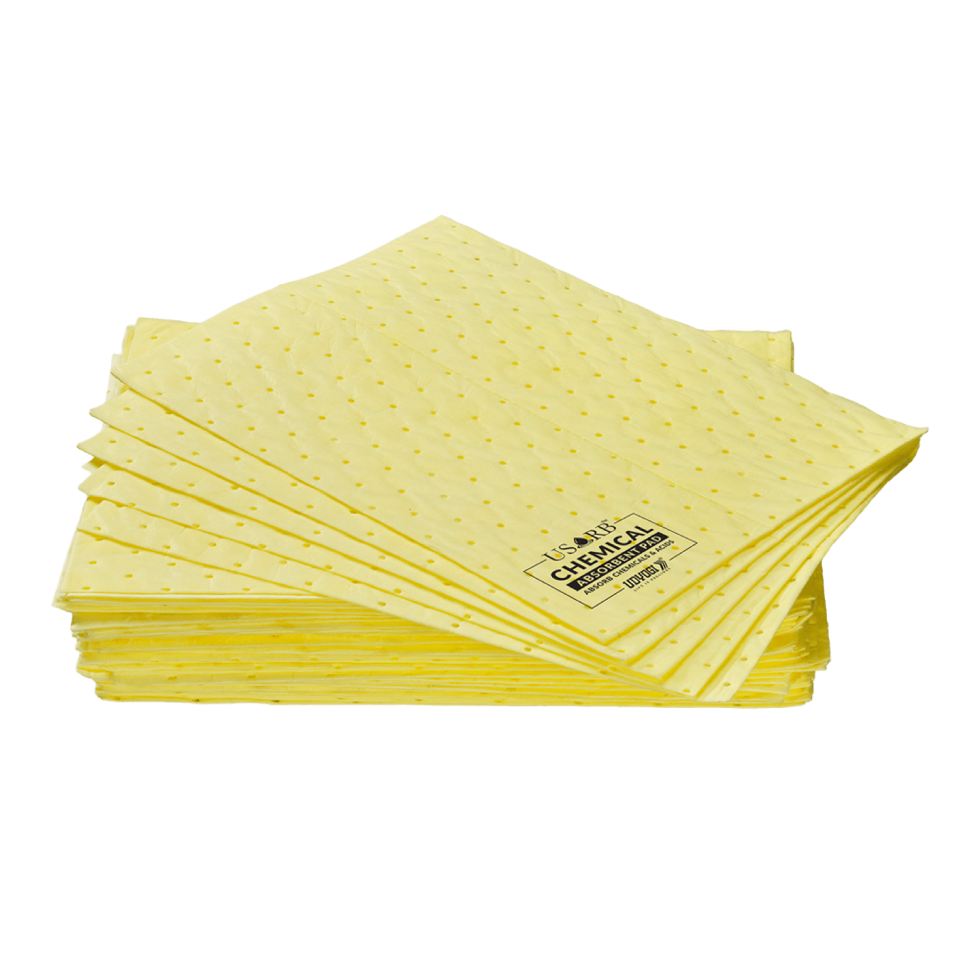 CPD90-LTRS-CHEMICAL-ABSORBENT-PAD
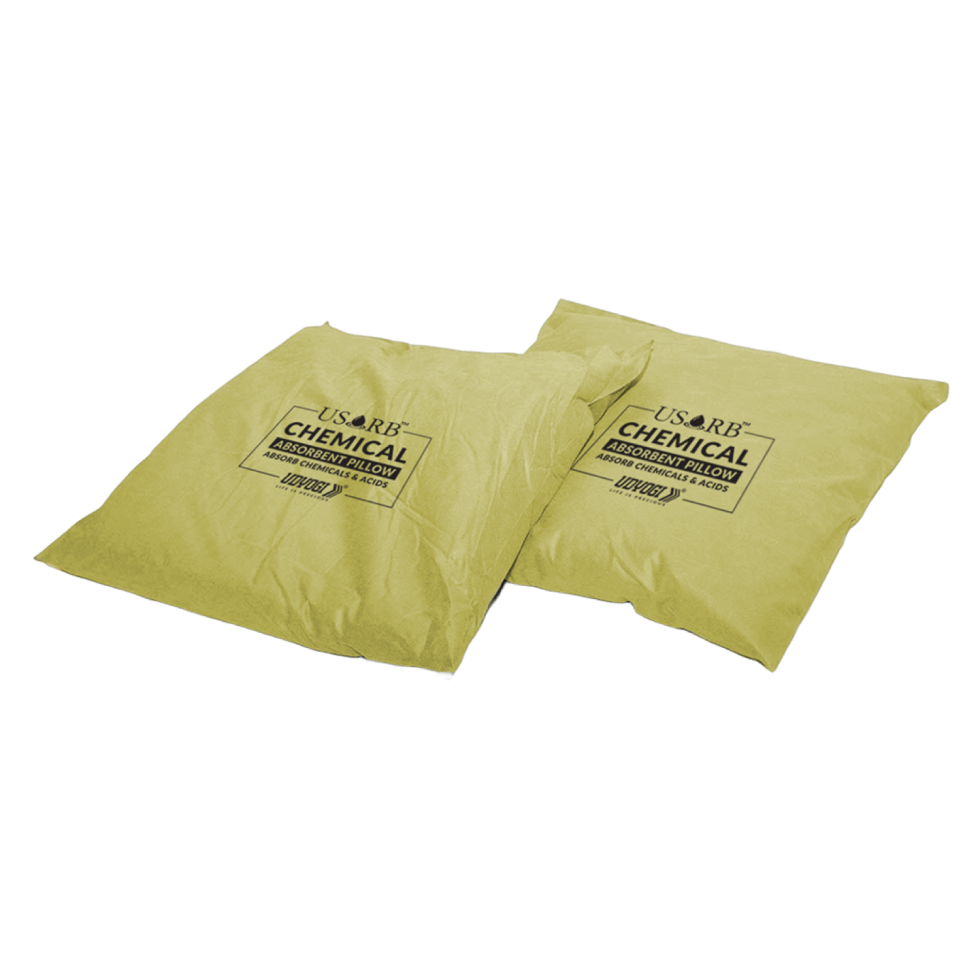 CPL60-CHEMICAL-ABSORBENT-PILLOW
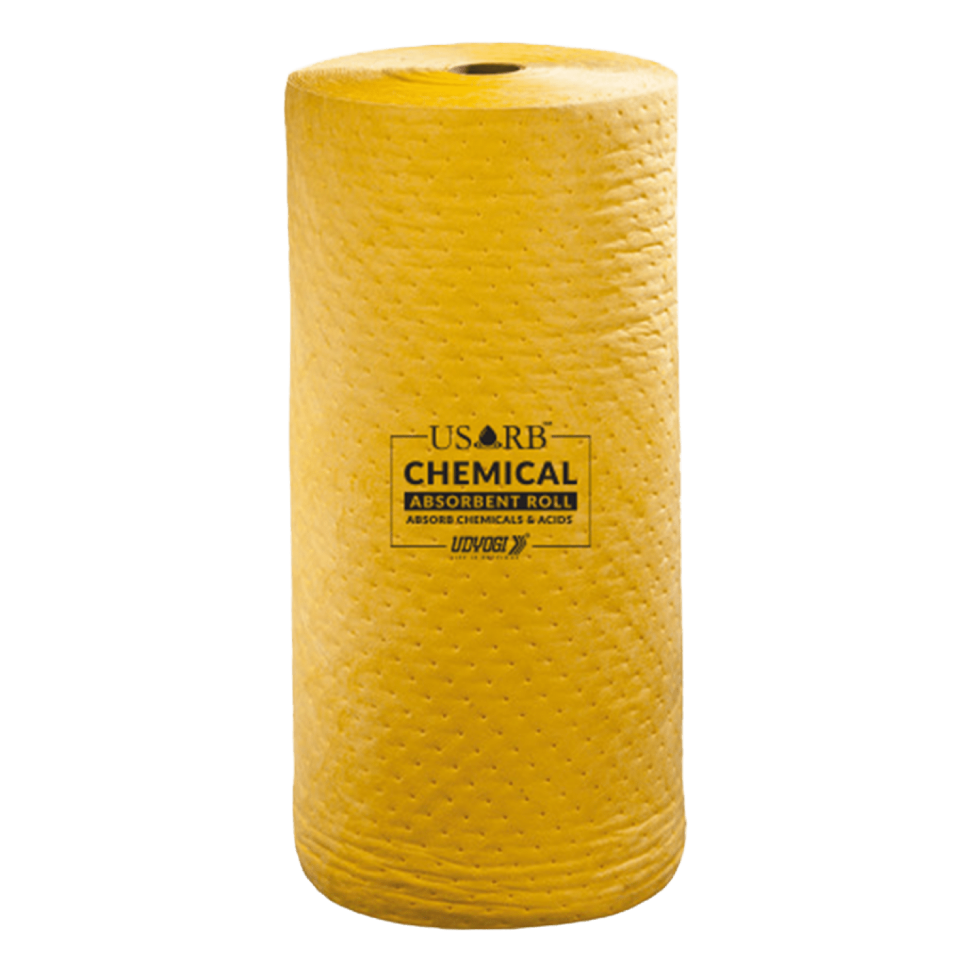 CRL120-CHEMICAL-ABSORBENT-ROLL
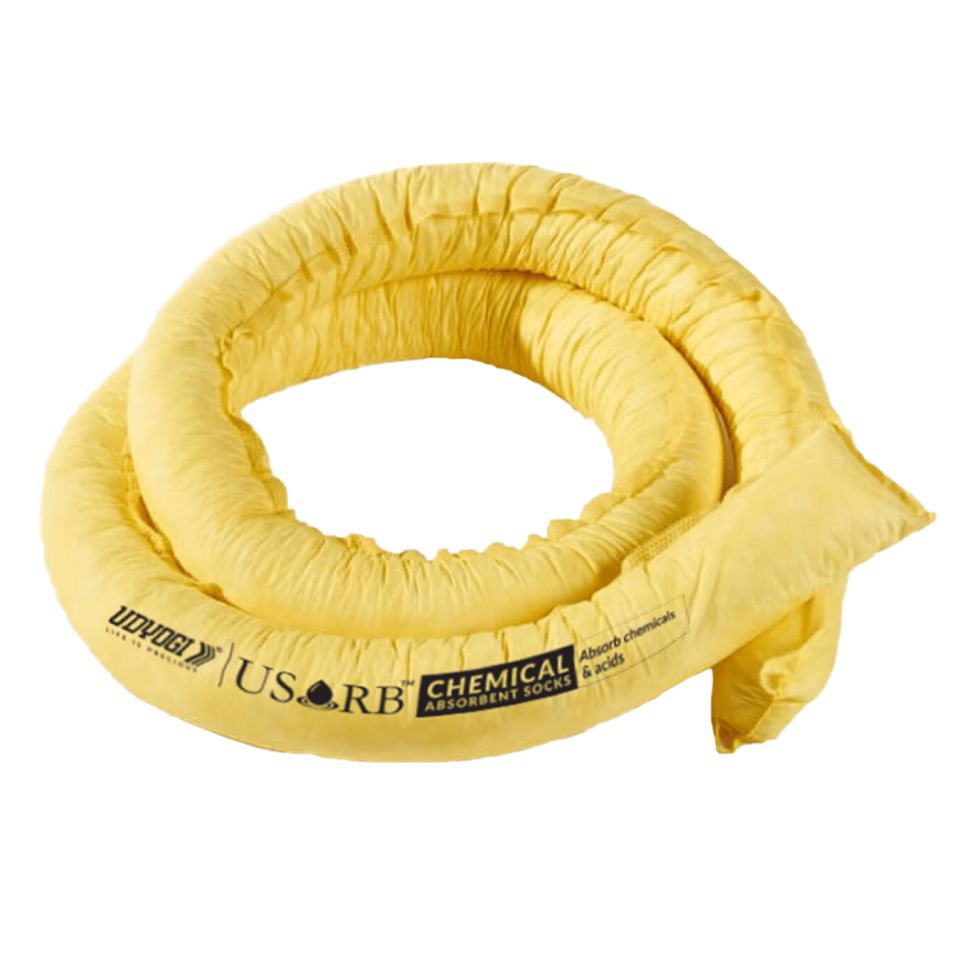 CSK195 Chemical Absorbent Socks
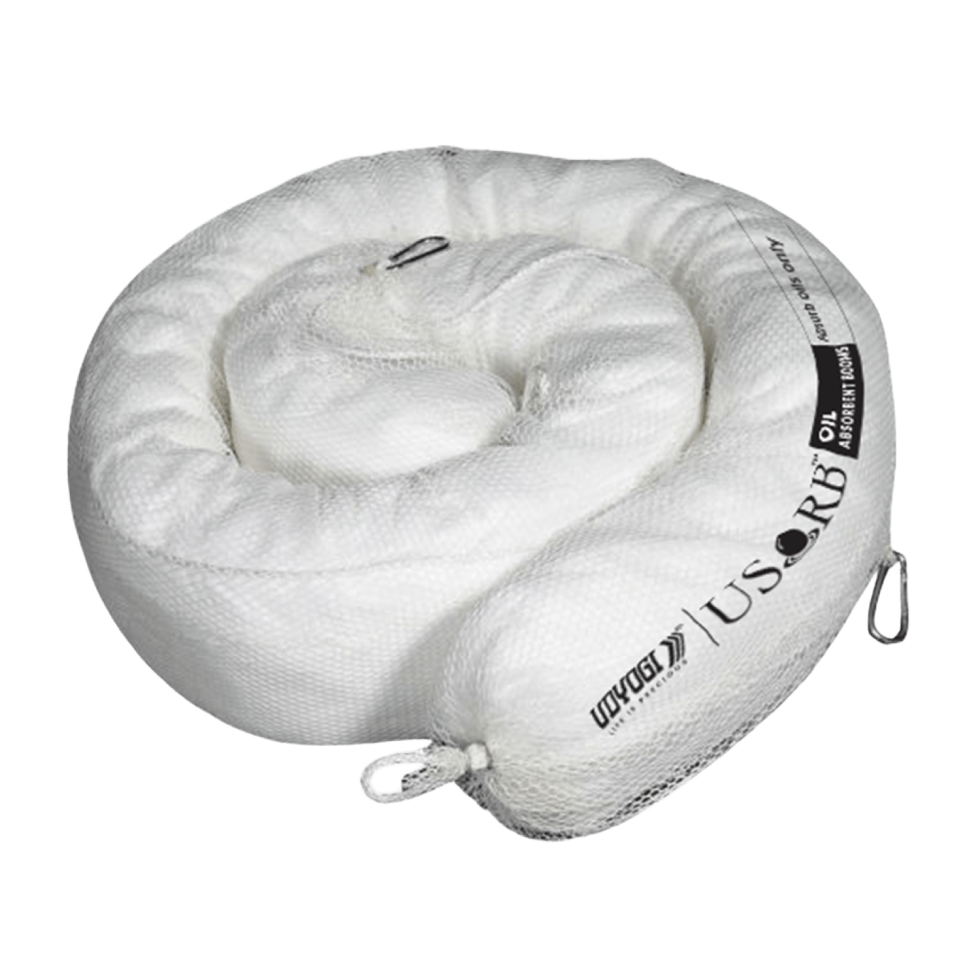 OBM216-LTRS-OIL-ABSORBENT-BOOMS
 OIL-ABSORBENT-D0RUM-TOP-PAD
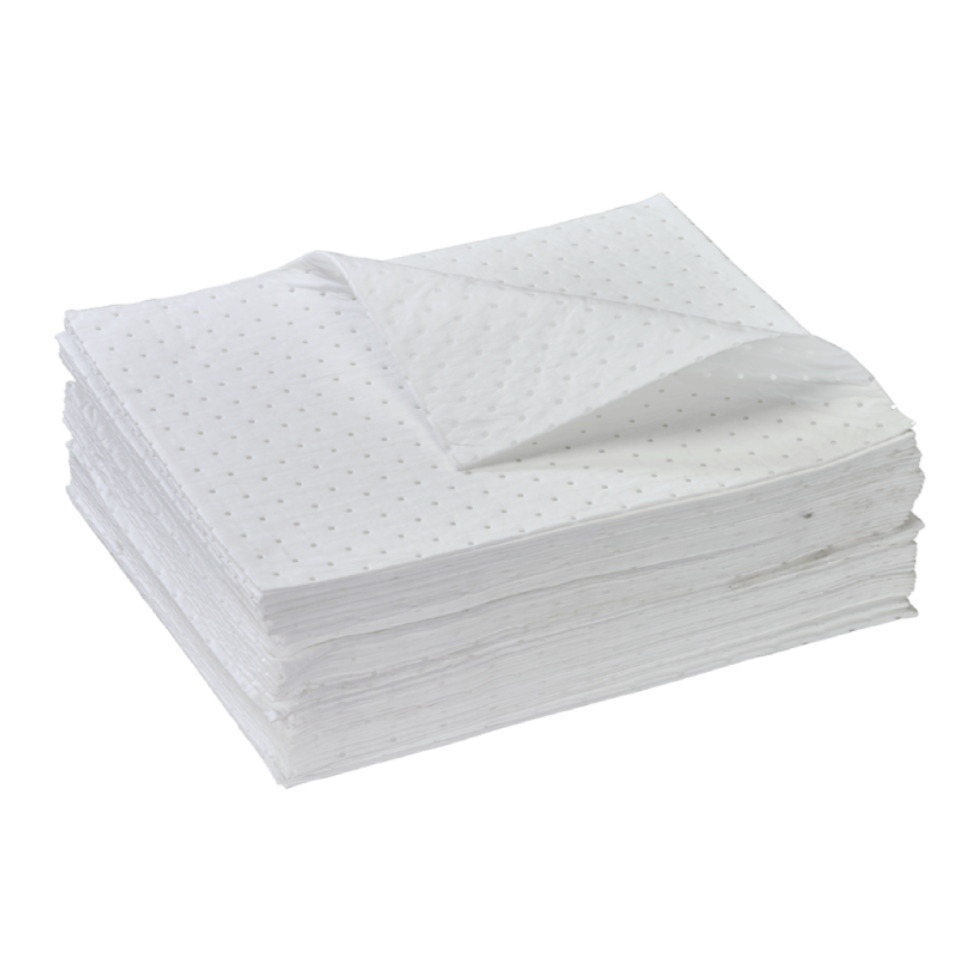 OPD90-Oil-Absorbent-Pad
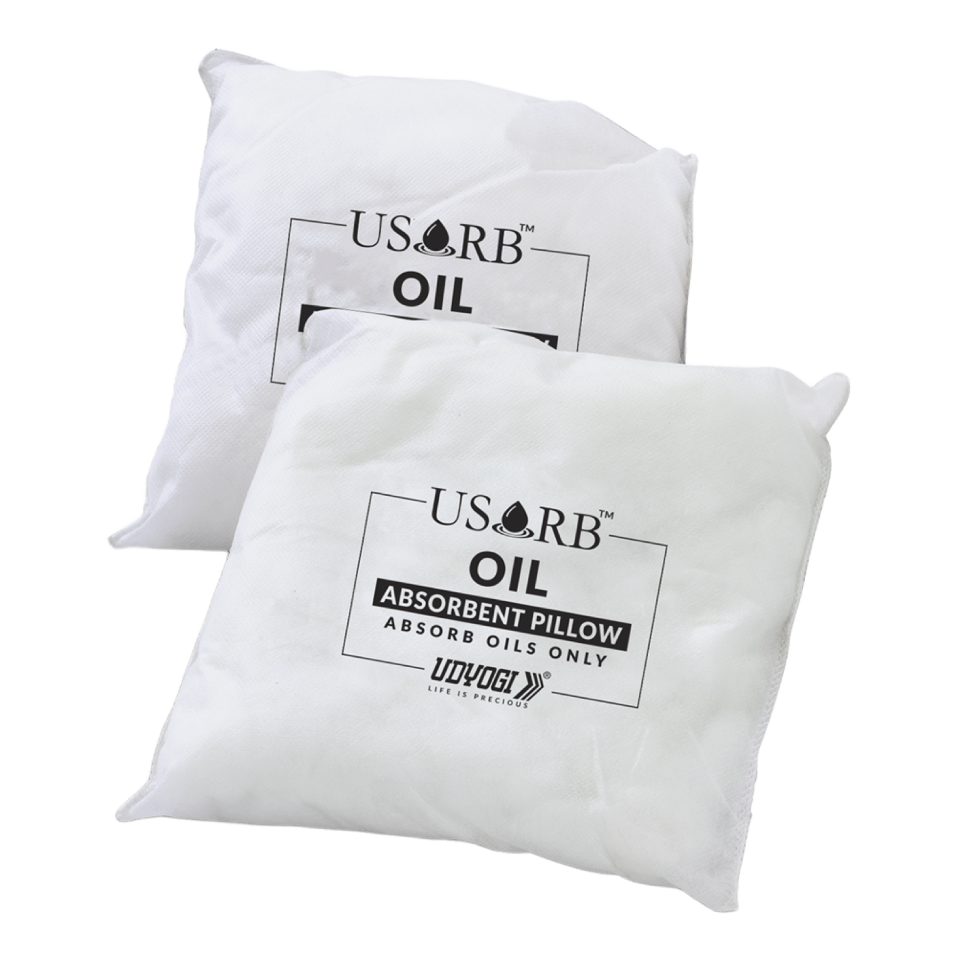 OPL60-LTRS-Oil-Absorbent-Pillow
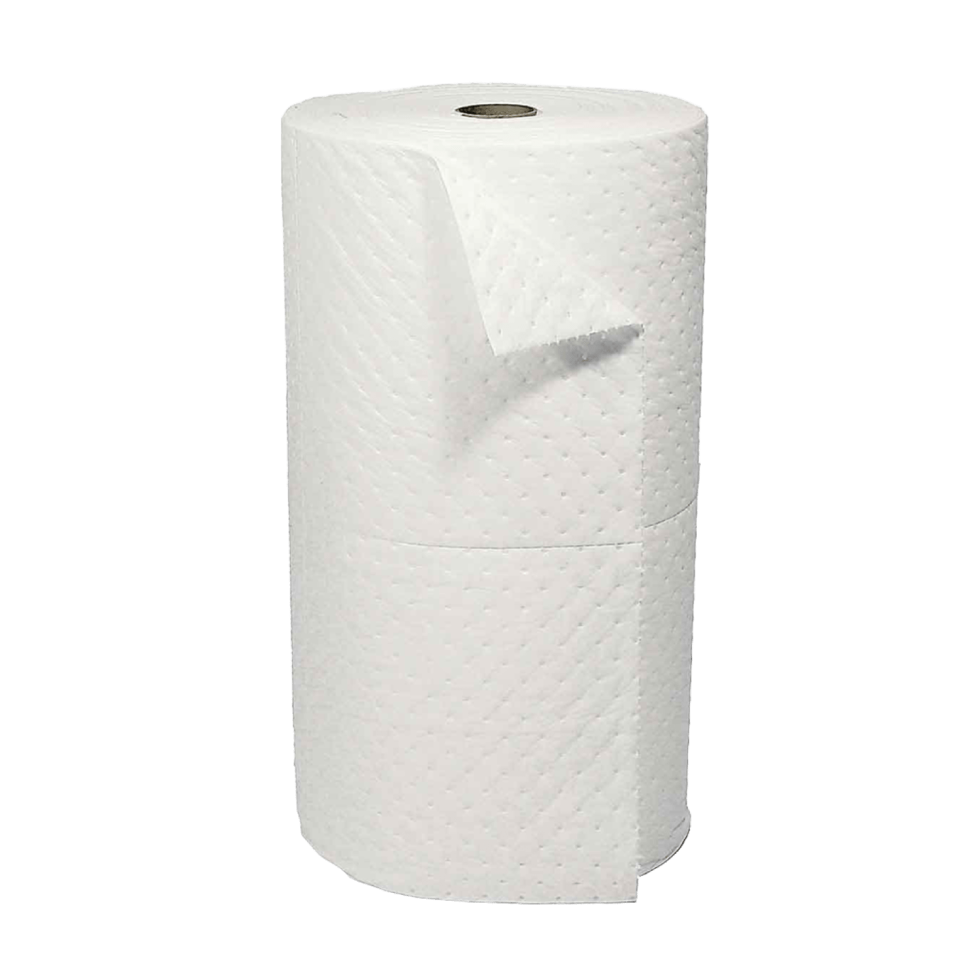 ORL120 Oil Absorbent Roll
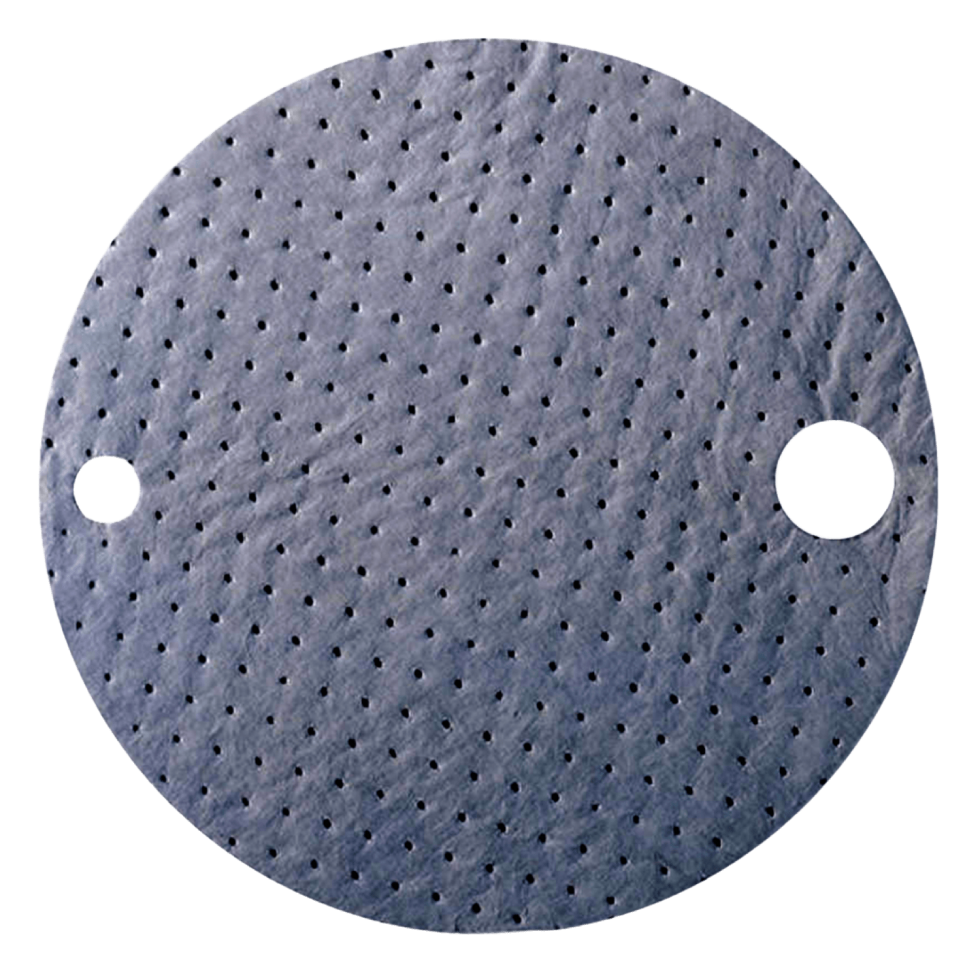 UDPD25-LTRS-UNIVERSAL-ABSORBENT-DRUM-TOP-PAD
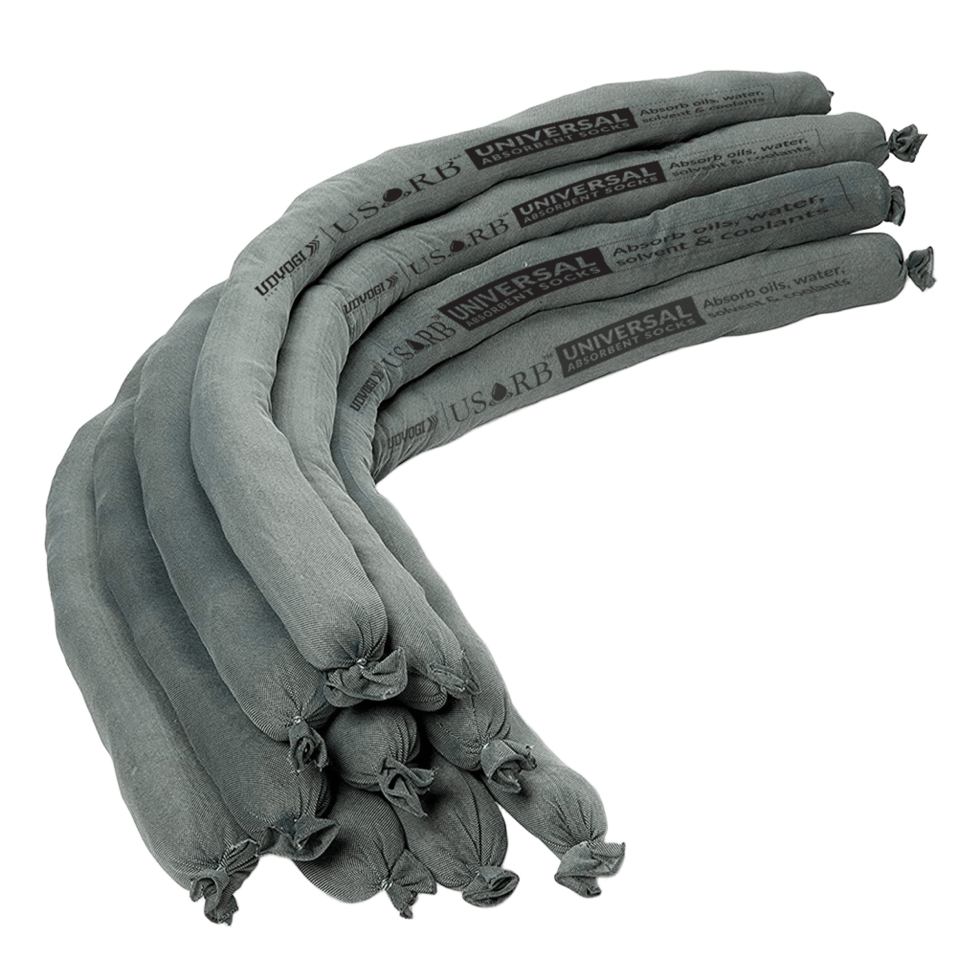 Universal Absorbent Socks USK195
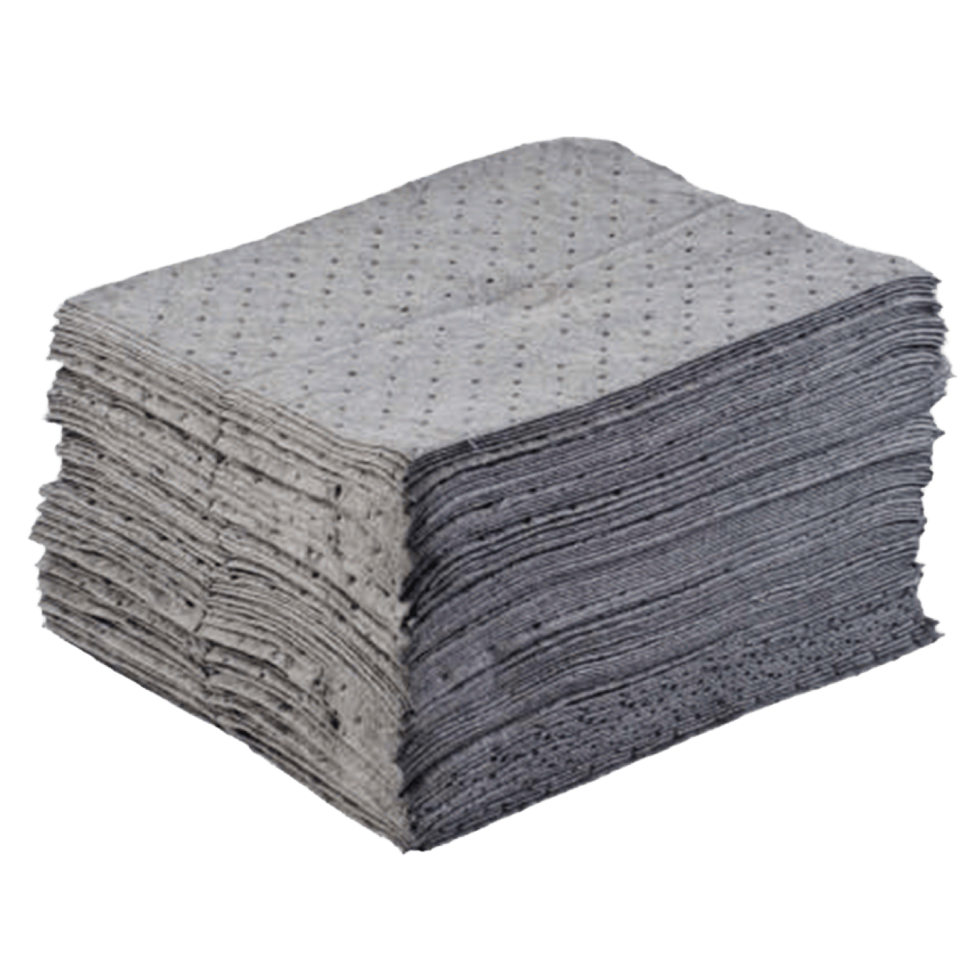 UPD90 Universal Absorbent Pad
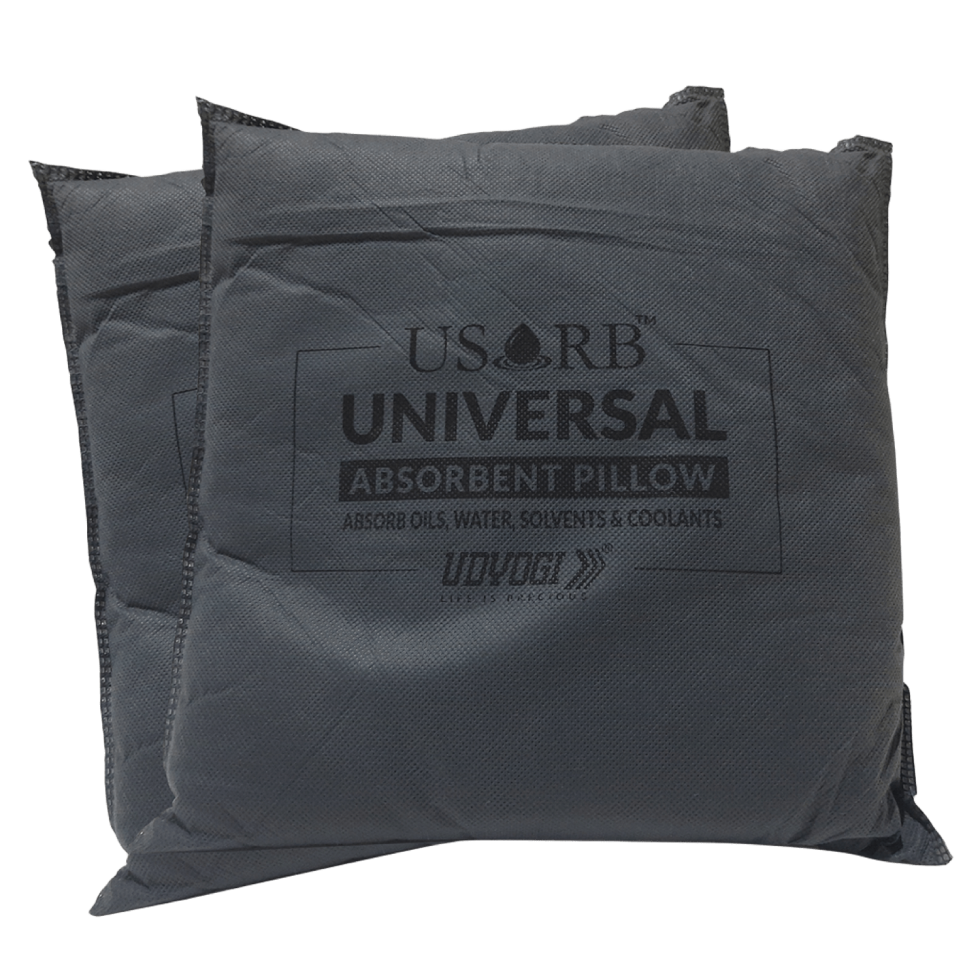 UPL60 Ltrs Universal Absorbent Pillow
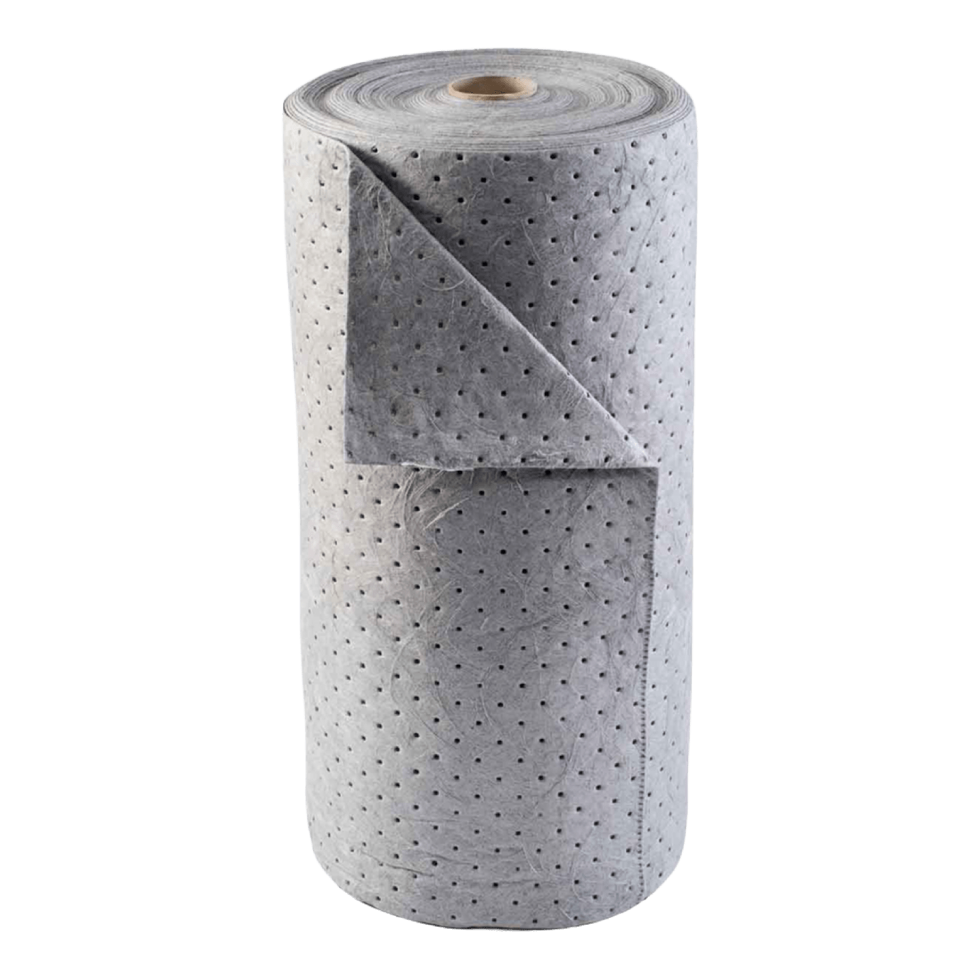 URL120-UNIVERSAL-ABSORBENT-ROLL
Absorbents
Frequently Asked Questions
Quick answers to the questions buyers and EHS teams ask most about absorbents. Need bulk pricing or a specific spec? Contact our team.
What is the difference between oil-only, chemical and universal absorbents?
Oil-only absorbents are hydrophobic, soaking up oils and fuels while repelling water, so they work on water surfaces. Chemical or hazmat absorbents handle aggressive substances like acids and solvents. Universal, or maintenance, absorbents pick up most non-aggressive liquids including water, oils and coolants. Colour coding often distinguishes them, so match the absorbent to the liquid involved.
When should I use pads, rolls or booms?
Use pads for wiping and small drips and leaks at workstations, rolls to cover larger surfaces or line walkways under machinery, and booms or socks to surround a spill, contain its spread or protect drains. Many facilities combine all three, using booms to contain and pads or granules to soak up the remaining liquid.
How much liquid can a sorbent pad absorb?
Absorbency depends on the sorbent's weight, thickness and material, with heavier, thicker pads holding more liquid, and manufacturers state a capacity per pad or per bale. Bonded or meltblown polypropylene sorbents are common. To estimate needs, match the total sorbent capacity to your largest credible spill volume so you can fully contain and recover it.
How should absorbents be stored and disposed of after use?
Store absorbents clean, dry and sealed against dust and moisture so they perform when needed, and keep stock rotated and restocked after use. Used absorbents saturated with hazardous liquids become contaminated waste and must be bagged and disposed of according to the chemical's safety data sheet and local hazardous waste regulations, not placed in general rubbish.