

Rescue Kit
Rescue Kit Dealers and Supplier
A Rescue Kit is a pre-assembled collection of essential safety equipment designed for quick and effective retrieval of personnel from elevated or confined spaces during emergencies. These kits are critical for rescue operations in industries such as construction, utilities, manufacturing, and maintenance. At Safetywala Equipments LLP, our Rescue Kits are engineered to ensure rapid response, compliance with safety standards, and ease of deployment. Each kit typically includes harnesses, ropes, descenders, connectors, and anchorage tools—ready to use in high-risk environments to minimize downtime and injury.
Rescue Kit
Frequently Asked Questions
Quick answers to the questions buyers and EHS teams ask most about rescue kit. Need bulk pricing or a specific spec? Contact our team.
What is included in a height rescue kit?
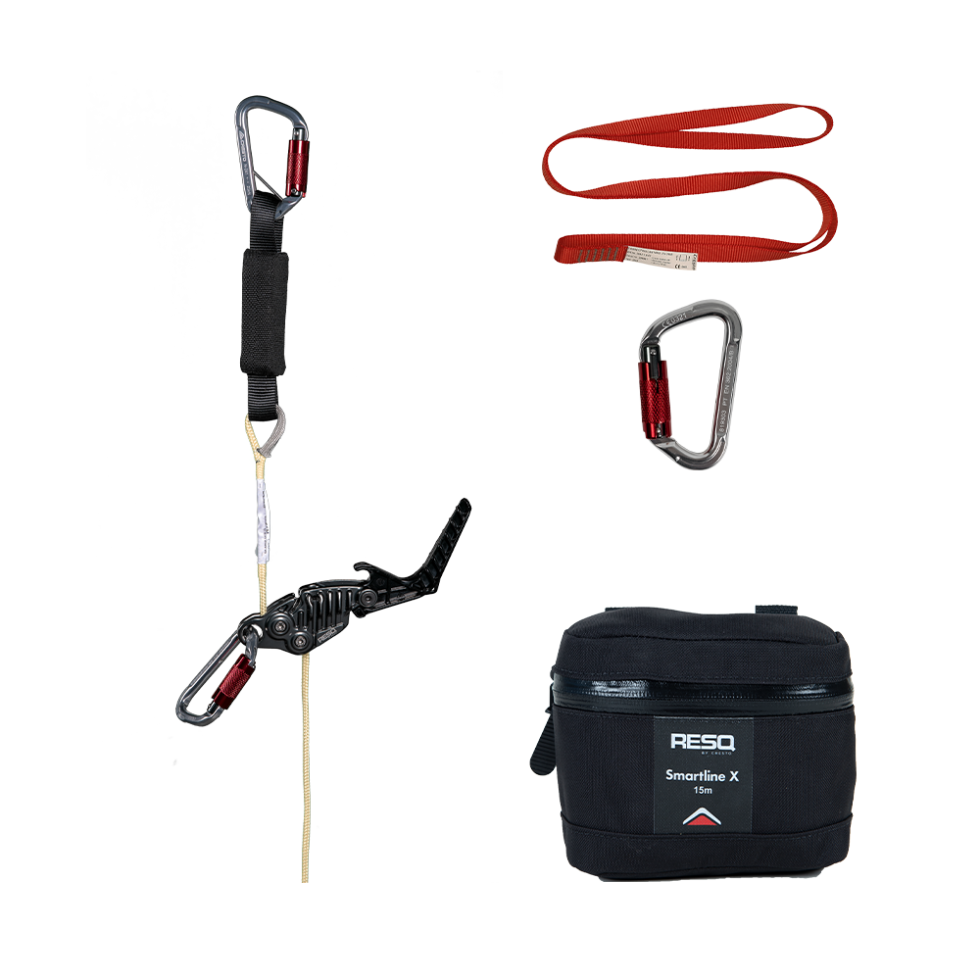
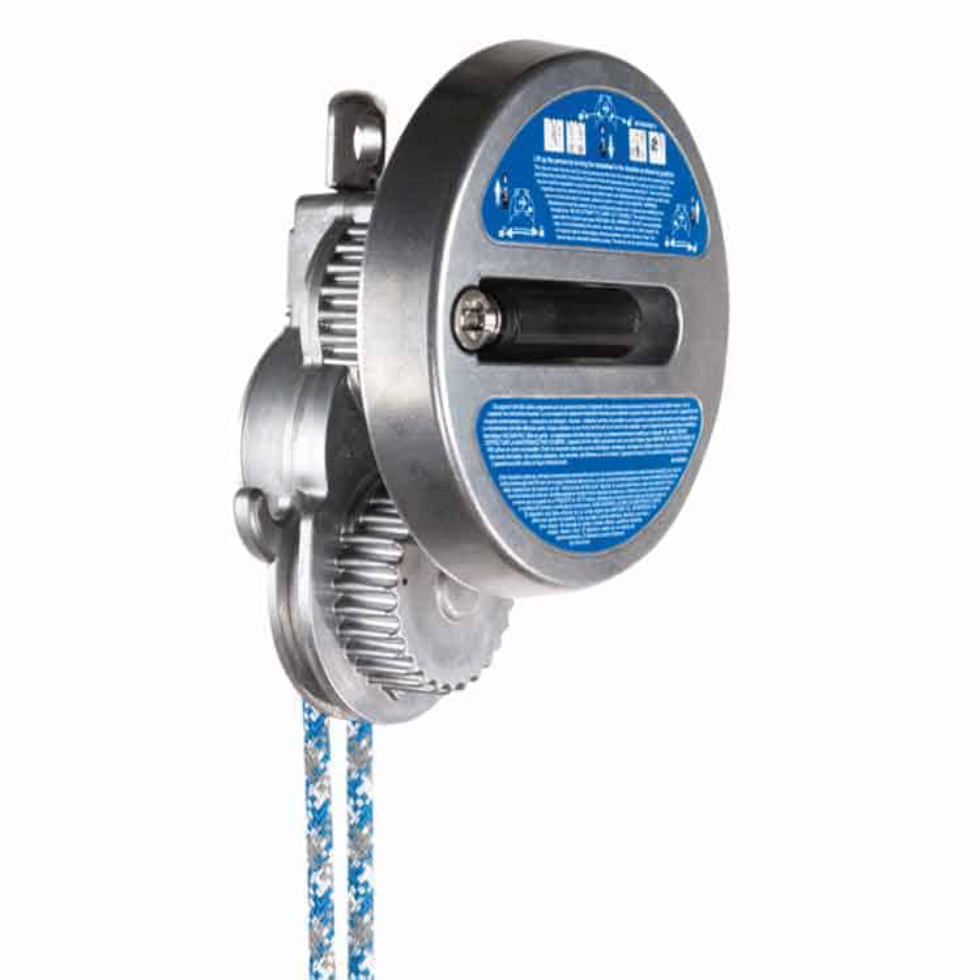
A height rescue kit typically contains a descender or recovery device (EN 341 or EN 1496), pre-rigged rescue rope, connectors, a rescue harness or attachment strop, edge protection and a carry bag. It lets a trained rescuer reach and lower a suspended worker quickly. Contents vary with rescue height, so kits are specified per site.
Why is a rescue kit essential after a fall?
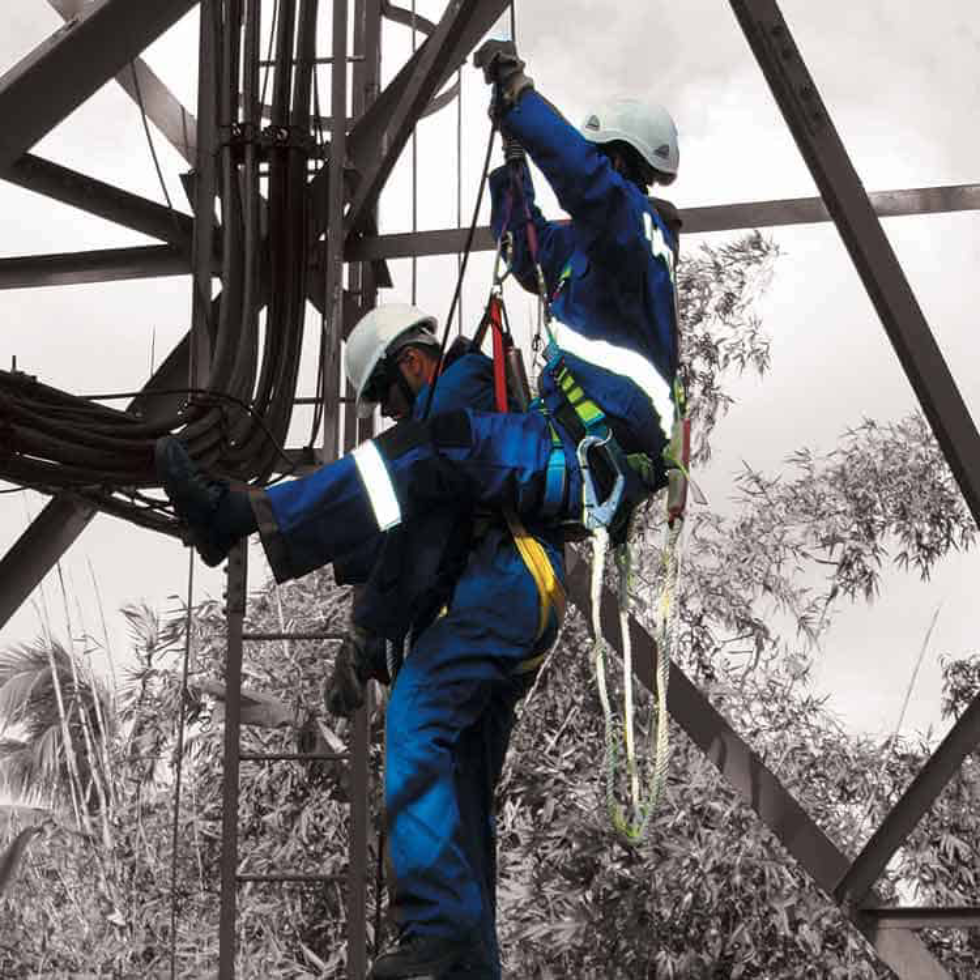
A rescue kit is essential because a worker left hanging in a harness can suffer suspension trauma within minutes as blood pools in the legs, which can be fatal. A prompt rescue plan and kit allow recovery before emergency services arrive. The Factories Act and good practice require a rescue plan for all work at height.
Which standards apply to rescue equipment?
Rescue descenders are certified to EN 341, rescue lifting or lowering devices to EN 1496, and rescue harnesses or loops to EN 1497 and EN 1498, with connectors to EN 362. The kit should suit your maximum working height and load. Buyers can request certification documents and datasheets to confirm suitability for their sites.
How often should a rescue kit be checked?
Inspect a rescue kit before it is stored ready for use and re-examine it by a competent person at least every six to twelve months, keeping records. After any use, clean, inspect and re-pack it fully. Rescuers must also be trained and drilled regularly, because technique and familiarity matter as much as the equipment itself.