

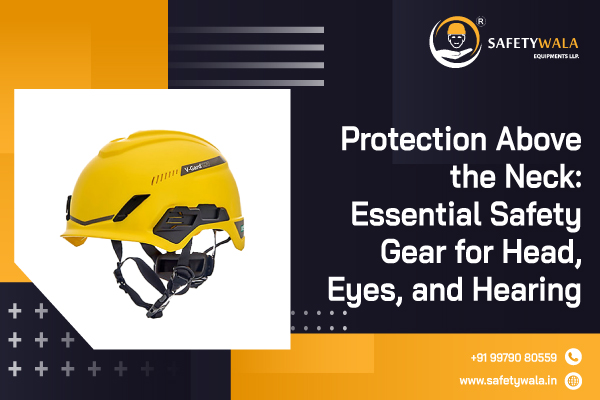
Importance of Wearing Head Protection
Head protection is essential in preventing serious injuries on construction sites, industrial areas, and warehouses. The head is highly vulnerable, and even a minor impact can lead to concussions, fractures, or life-threatening trauma. Falling tools, debris, or accidental bumps are common hazards in such environments. Wearing safety helmets or hard hats significantly reduces the risk of head injuries by absorbing shock and providing a strong barrier. Proper head protection ensures worker safety, promotes a secure working environment, and helps companies meet safety regulations. It’s not just about compliance — it’s about saving lives and avoiding long-term health issues. Every worker should wear certified, well-fitting headgear while on the job. Types of Head Protection- Hard Hats- Hard hats are the most common head protection used in construction, mining, electrical work, and manufacturing. They are designed to absorb the shock from falling objects or accidental impacts. Some hard hats also offer protection from electrical hazards.
- Safety Helmets- Safety helmets provide similar protection to hard hats but often come with additional features such as face shields, earmuffs, or chin straps for added security. They are widely used in industries like oil & gas, electrical work, and construction.
- Bump Caps- Bump caps are lightweight helmets designed for environments where workers risk bumping their heads against hard surfaces but are not exposed to falling objects. They are ideal for warehouses, maintenance work, and factories with tight spaces.
- Welding Helmets- Welding helmets shield the head and eyes from the sparks, heat, and damaging UV rays produced during welding. They usually come with auto-darkening filters to shield the eyes while allowing a clear view of the workspace.
Tips for Proper Fit and Maintenance
- Check that the helmet or hard hat fits tightly on your head without pain..
- Adjust chin straps for a secure fit during use.
- Inspect head protection on a regular basis for cracks, dents, and other indicators of deterioration.
- Replace any damaged helmets immediately to maintain safety standards.
- To keep helmets in good condition, clean them with moderate soap and water.
Importance of Wearing Eye Protection
Small particles or chemical spills can cause significant harm or irreversible vision loss in the eyes, which are fragile. In environments like construction sites, laboratories, woodworking workshops, and metal fabrication, flying debris, dust, and sparks are common hazards. Wearing appropriate eye protection is essential to safeguard vision and prevent workplace injuries.Types of Eye Protection
- Safety Glasses- Safety glasses are ideal for protecting eyes from flying debris, dust, and light chemical splashes. They come with shatter-resistant lenses and are suitable for general industrial use.
- Goggles- Goggles provide full eye coverage and seal around the eyes, offering enhanced protection from dust, chemicals, or liquids. They are commonly used in laboratories, chemical plants, and construction sites.
- Face Shields- Face shields cover the entire face, offering protection from chemical splashes, flying debris, and sparks. They are often used in metal cutting, grinding, and handling corrosive materials. Face shields are often used in conjunction with safety glasses or goggles to provide total protection.
- Welding Helmets with Eye Protection- Welding helmets come with specialized lenses that shield the eyes from harmful UV rays, intense light, and sparks produced during welding work. They provide full-face protection and are necessary for welders.
Tips for Choosing the Right Eye Protection
- Select eye protection that matches the specific hazards in your work environment.
- Look for equipment that meets safety standards (such as ANSI or ISI certified).
- Assure that the fit is comfortable and secure, with no gaps around the eyes.
- Regularly clean lenses and inspect for scratches or damage.
- Replace any damaged or worn-out equipment immediately.
Importance of Ear Protection
Exposure to loud noises over extended periods can lead to permanent hearing loss or other hearing-related health problems. Construction sites, factories, airports, and industries with heavy machinery often exceed safe noise levels. Hearing protection is essential to prevent noise-induced hearing damage and maintain a safe, comfortable work environment.Types of Ear Protection
- Earplugs- Earplugs are small, lightweight devices that fit into the ear canal. They effectively reduce noise levels and are ideal for construction sites, manufacturing plants, and noisy workshops. Disposable and reusable options are available based on preference.
- Earmuffs- Earmuffs completely cover the ear and give a better level of noise suppression. They are ideal for extremely loud environments and can be worn over helmets or hard hats. Many models come with adjustable headbands for comfort.
Tips for Proper Fit and Use of Ear Protection
- Choose hearing protection that is appropriate for the noise levels at your employment.
- Ensure earplugs or earmuffs fit properly and create a good seal to block noise.
- Regularly inspect equipment for damage or wear.
- Clean reusable earplugs and earmuffs regularly to maintain hygiene.
- Replace disposable earplugs after each use for effective protection.