

Cut Resistance Gloves
Cut Resistance Gloves Dealers and Supplier
Safety Wala Equipments LLP, our cut-resistant gloves meet international safety norms and provide dependable hand protection in high-risk work environments. Cut Resistance Gloves are specialized safety gloves designed to protect hands from sharp objects, blades, and materials that may cause cuts or abrasions. These gloves are made from high-performance fibers such as HPPE, Kevlar®, or steel mesh, offering varying levels of cut protection based on industrial standards. Commonly used in industries like metal handling, glass work, automotive, and construction, these gloves ensure both safety and dexterity.
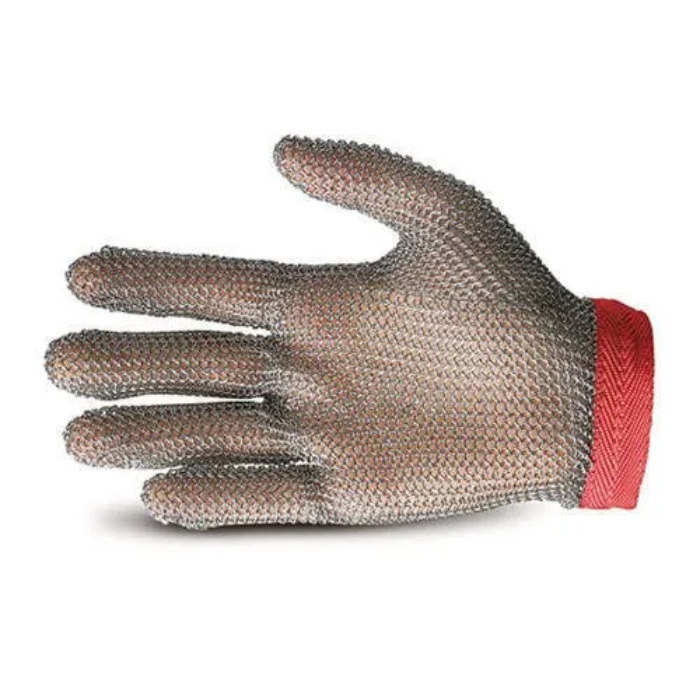 Chain Mesh
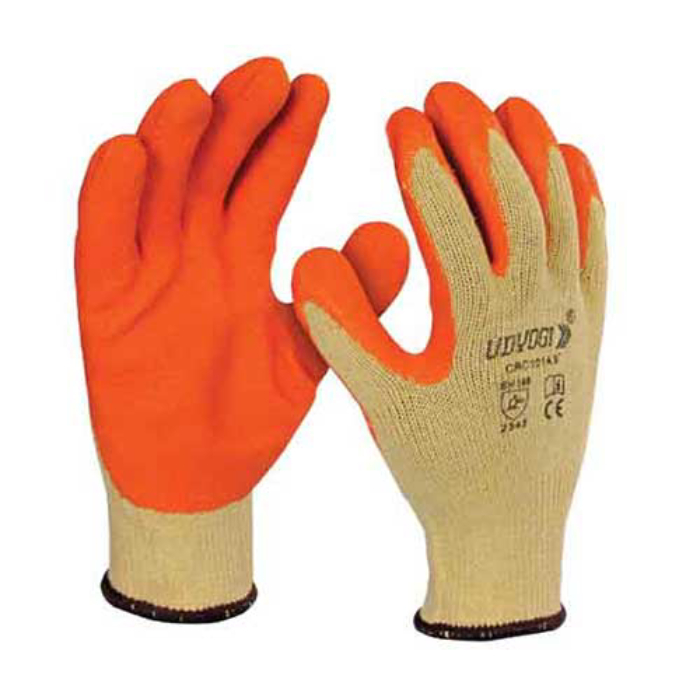 CRC-101 (Y/O)
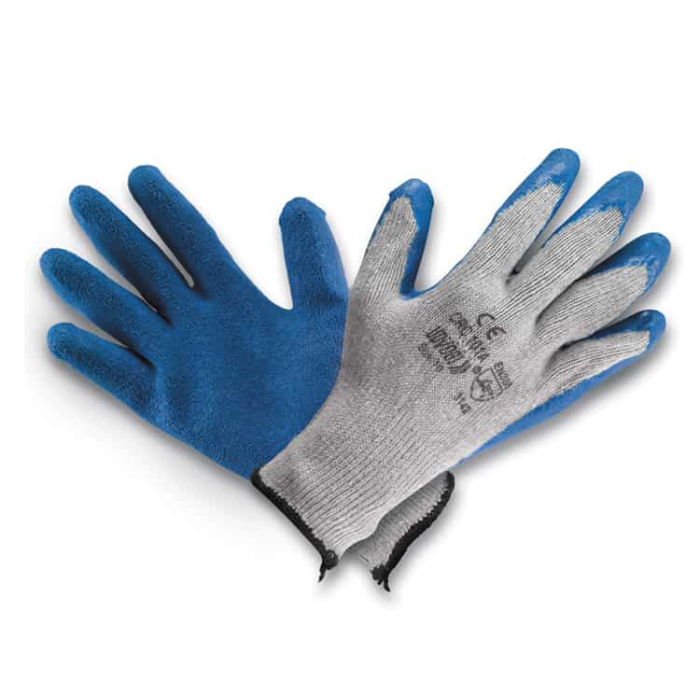 CRC-101-A, Grey/Blue Knitted Hand Safety Gloves
CRC-PLUS
CRC-101-A, Grey/Blue Knitted Hand Safety Gloves
CRC-PLUS
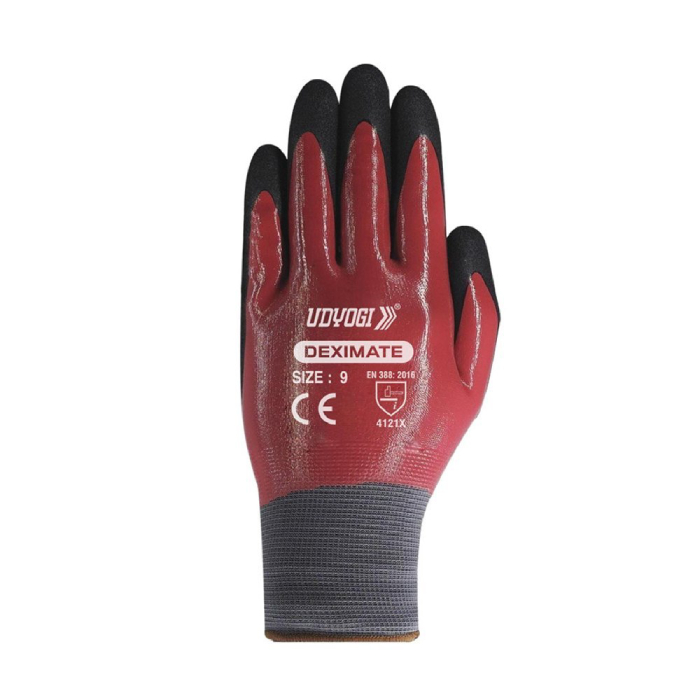 Deximate Resistance Hand Gloves
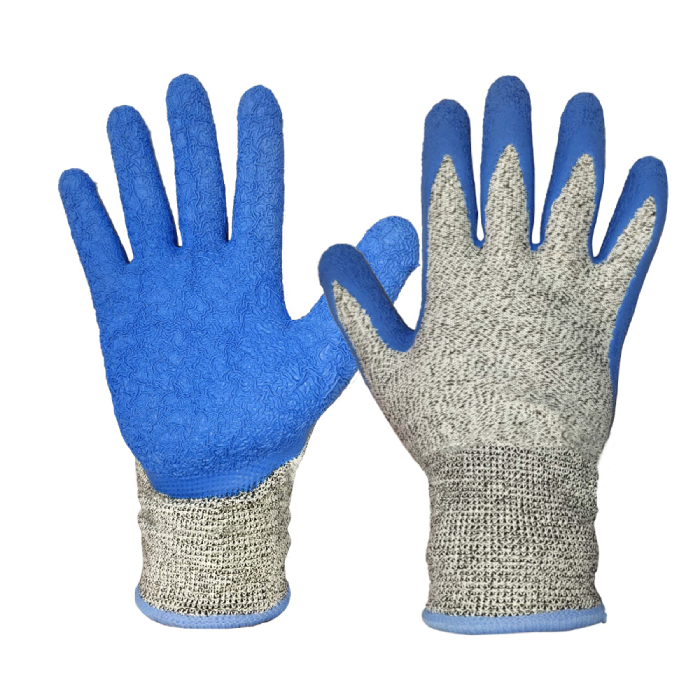 DRC Cut 3
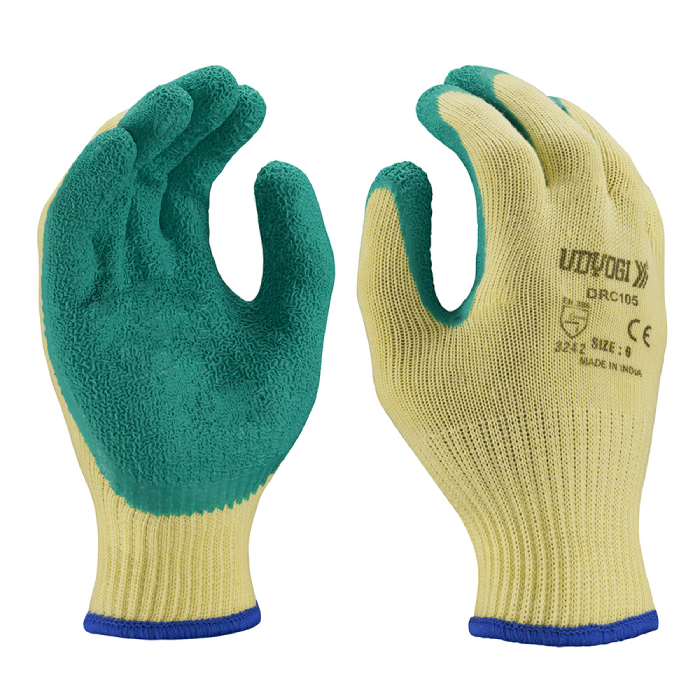 DRC-105 Yellow/Green Resistance Gloves
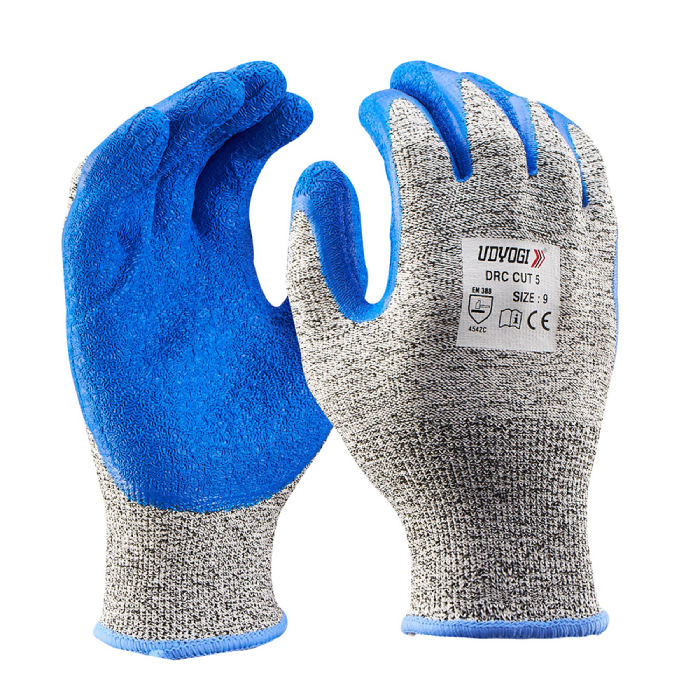 DRC-CUT5
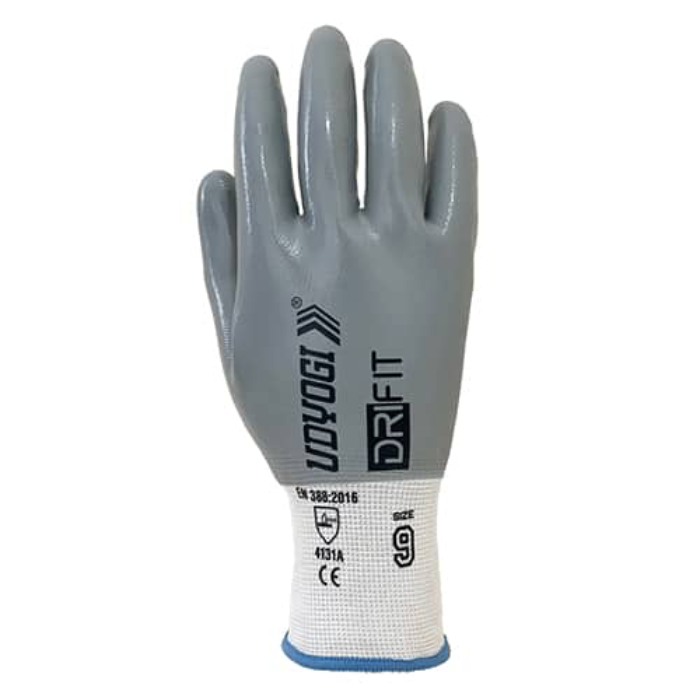 Drifit
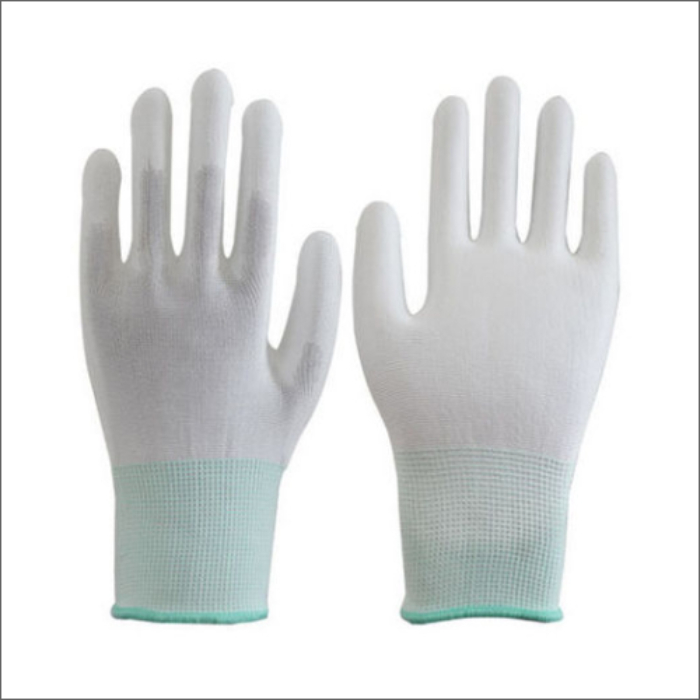 ESD-PU Cut Resistance Safety Hand Gloves
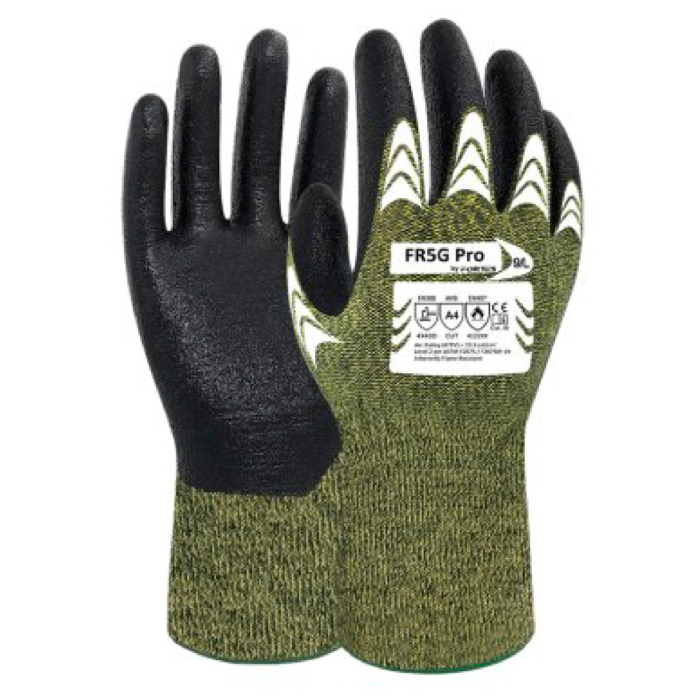 FR5G Pro Heat and Cut Resistance Hand Gloves
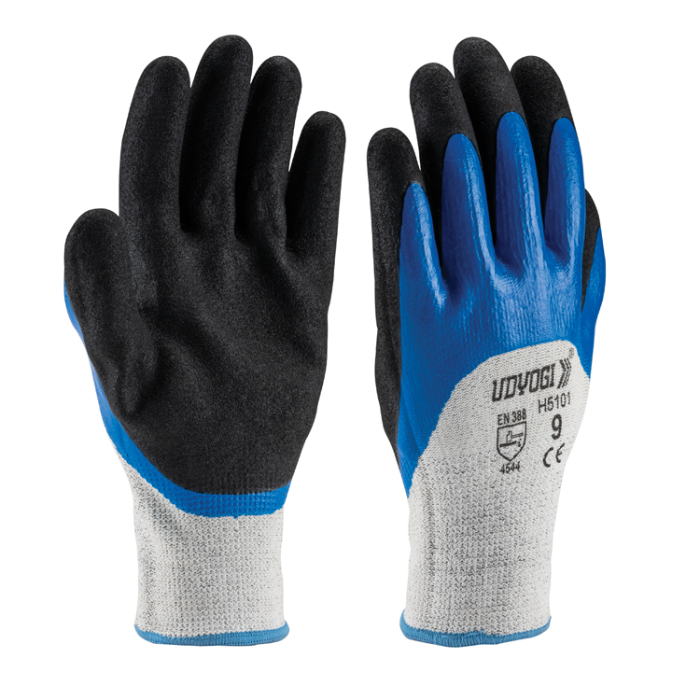 H5101 Double 34 Coating
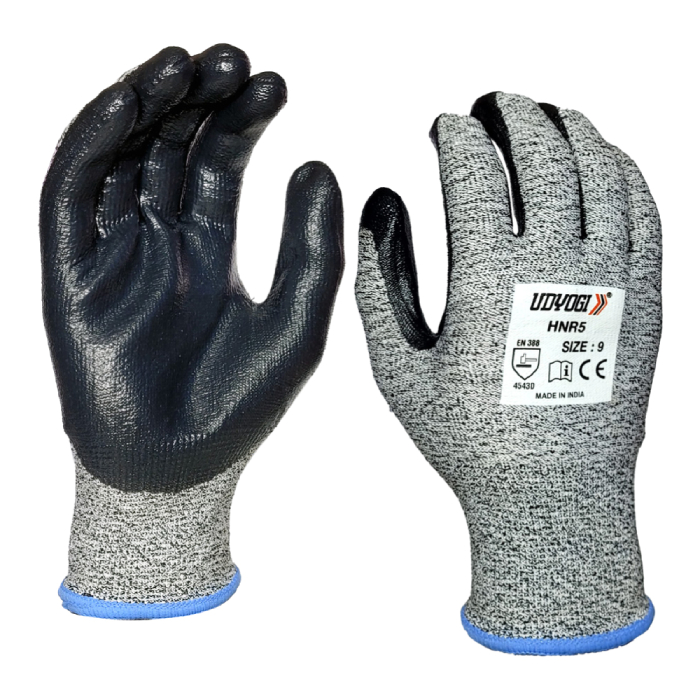 HNR5 Cut Resistance Hand Gloves
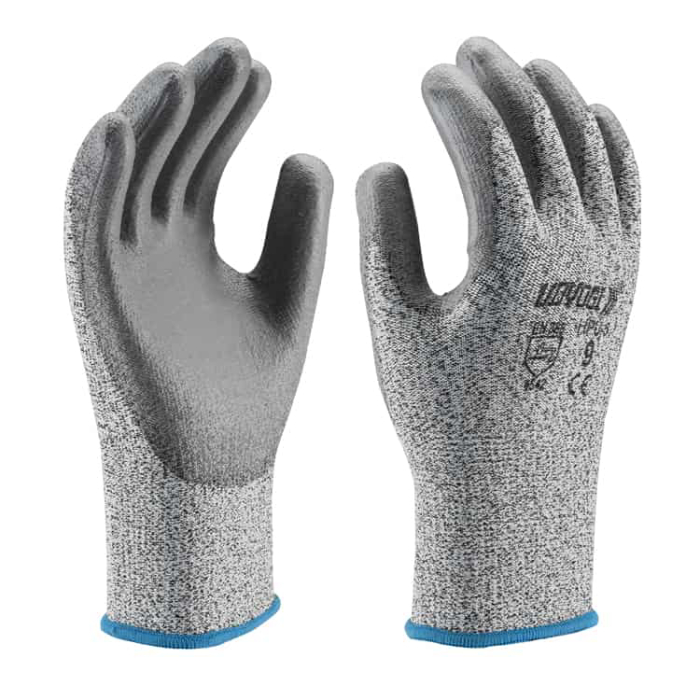 HP5
HP5
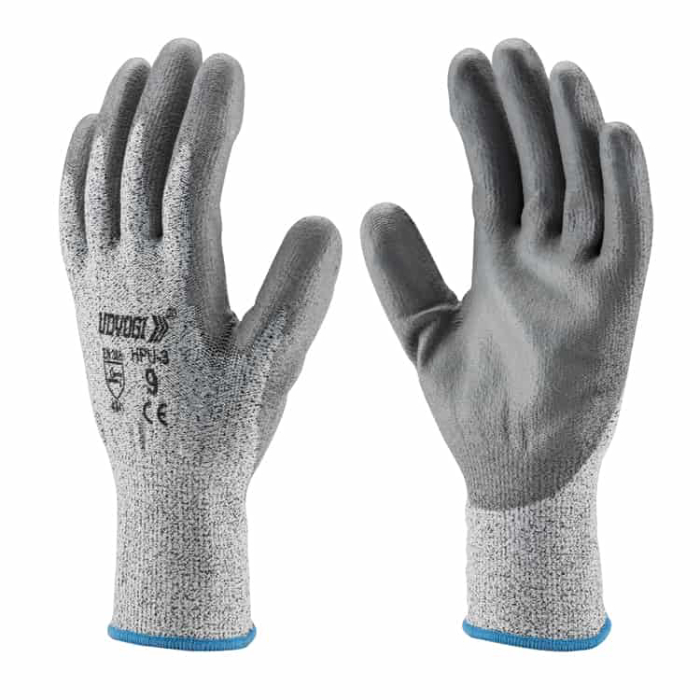 HPU-3 Cut 3 Cut Resistance Gloves
HPU-5 Cut 5 Cut Resistance Hand Gloves
HPU-3 Cut 3 Cut Resistance Gloves
HPU-5 Cut 5 Cut Resistance Hand Gloves
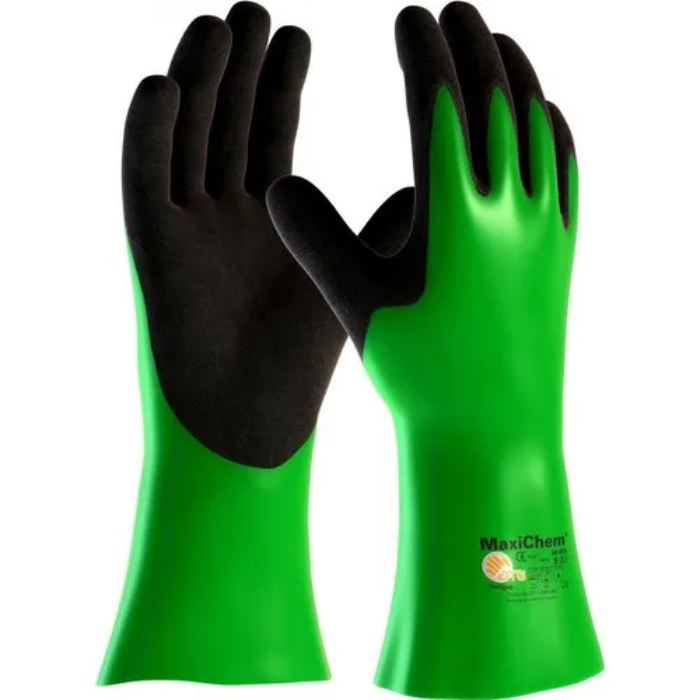 KSG-1830 Cut Resistance Hand Gloves
NDJ-S2 Blue/Green/Orange Cut Resistance Hand Gloves
KSG-1830 Cut Resistance Hand Gloves
NDJ-S2 Blue/Green/Orange Cut Resistance Hand Gloves
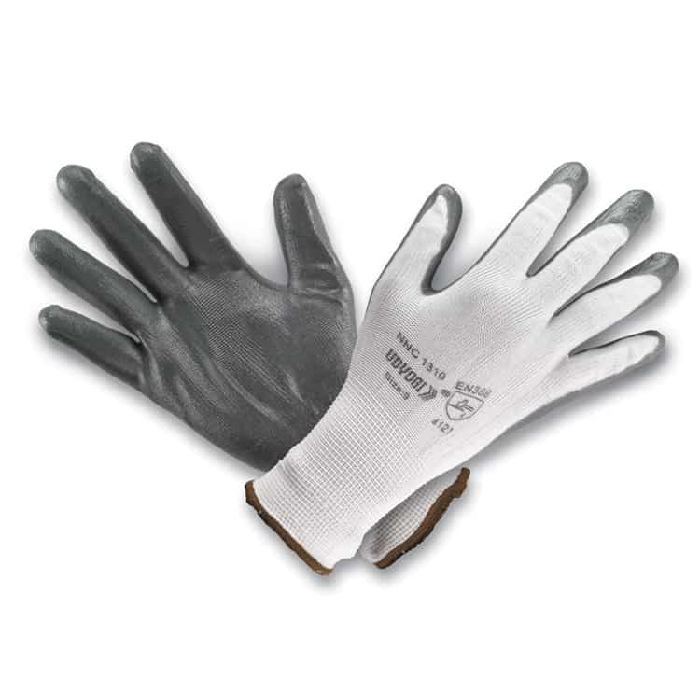 NNC-1310
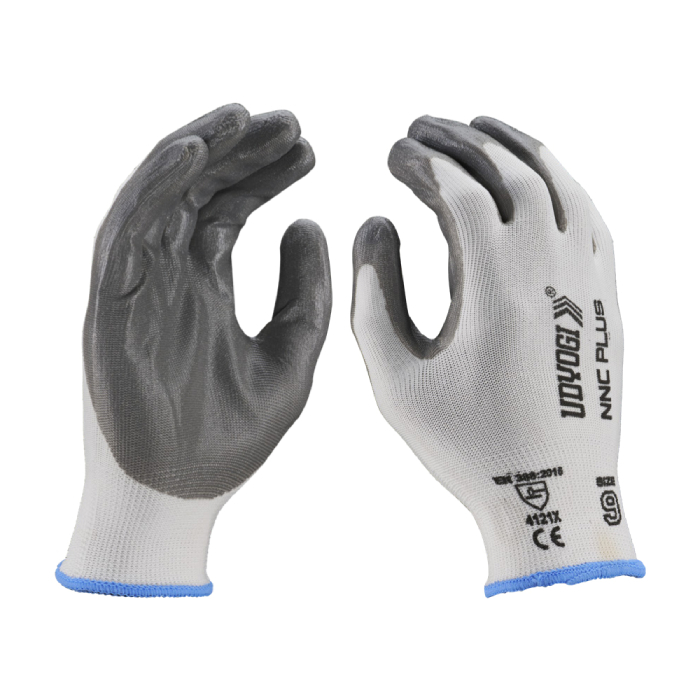 NNC-PLUS Safety Hand Gloves Oil Resistant
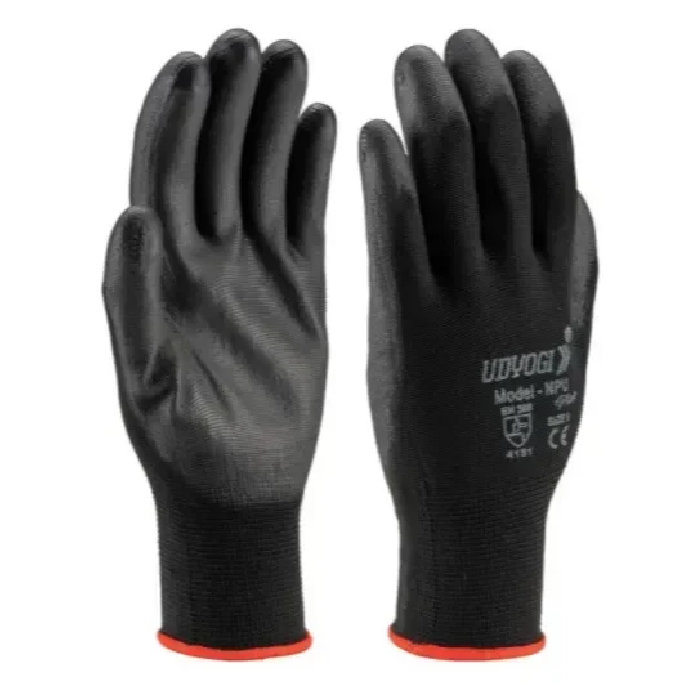 NPU-B Nylon Knitted Hand Gloves
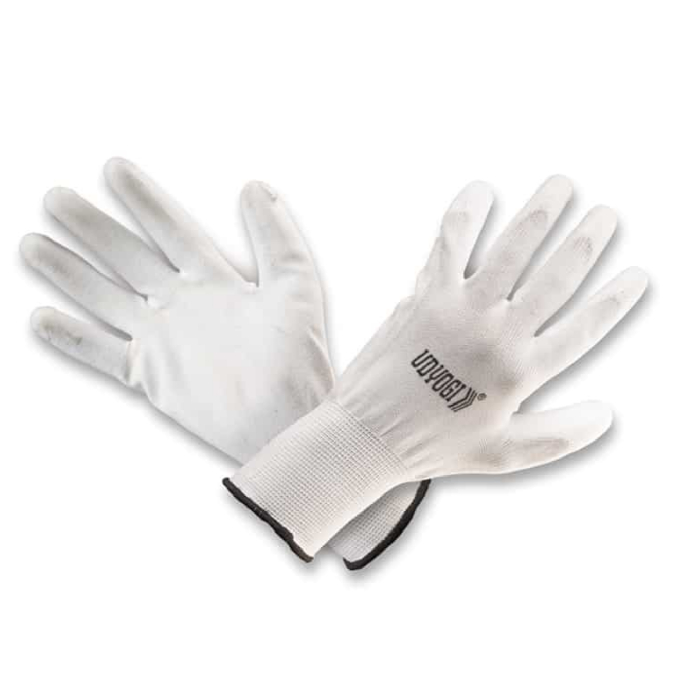 NPU-W Nylon Knitted Safety Hand Gloves White
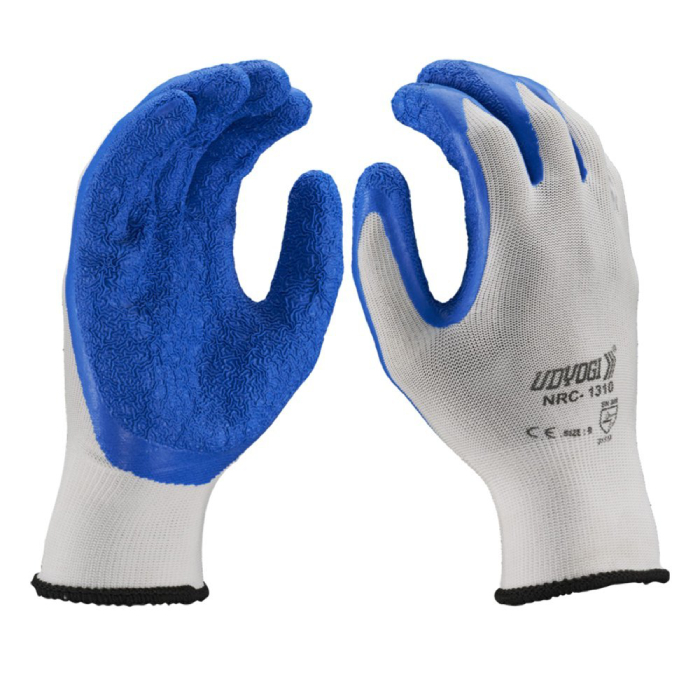 NRC-W/B White/BLUE Rubber Coating Safety Hand Gloves
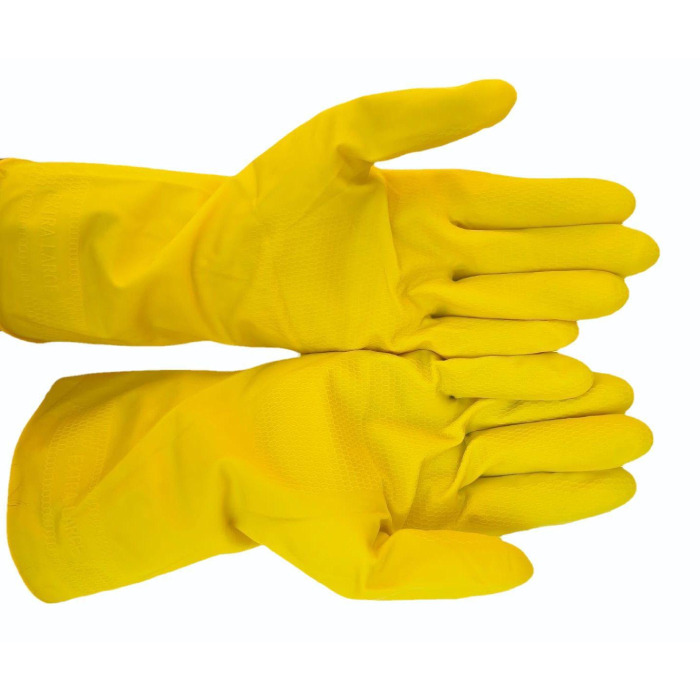 Proton Lite Cut Resistance Hand Gloves
Cut Resistance Gloves
Frequently Asked Questions
Quick answers to the questions buyers and EHS teams ask most about cut resistance gloves. Need bulk pricing or a specific spec? Contact our team.
What do the cut resistance levels on EN 388 gloves mean?
EN 388 rates cut resistance on a newer A to F scale using the ISO 13997 TDM test, where A is lowest and F is the highest cut protection. This replaced the older 1 to 5 coup-test rating for high-performance gloves. Choose higher letters like D, E or F for sharp metal, glass or blade handling tasks.
How do I select the right cut level for my task?
Select the cut level based on how sharp the material is and the force applied. Light handling of trims or plastics may need level A or B, general sheet-metal work suits C or D, while glass, stamping and blade work usually needs E or F. When unsure, choose one level higher and reassess after a workplace trial.
Are cut resistant gloves also cut-proof?
No, cut resistant gloves reduce cut risk but are not fully cut-proof against determined force or powered blades. They lower the likelihood and severity of laceration injuries during handling, but a hard slice or puncture can still cause harm. Combine correct cut level, safe work methods and machine guarding for reliable hand protection in demanding tasks.
How often should cut resistant gloves be replaced?
Replace cut resistant gloves as soon as you see fraying, thinning, cuts, or loss of grip, since damage sharply reduces protection. There is no fixed lifespan; wear rate depends on task abrasion and handling frequency. Inspect gloves before each shift, follow the maker's washing guidance, and keep spare stock so worn pairs are swapped immediately.