

Importance of Safety in Hazardous Workplaces
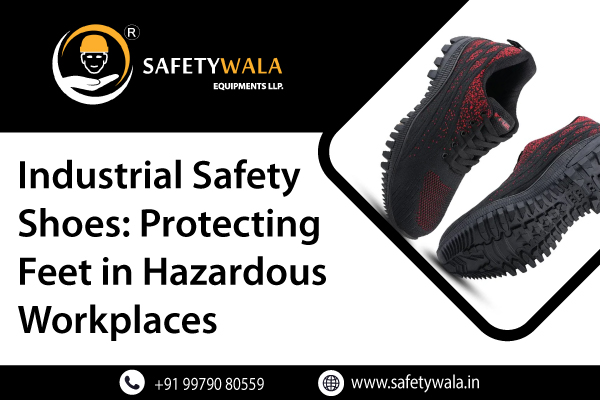
Industrial safety shoes are specially designed footwear that provides maximum protection against workplace hazards. Unlike ordinary shoes, they include reinforced toes, slip-resistant soles, electrical resistance, and protective layers to shield against punctures, shocks, or chemical spills. Their role extends beyond protection—they also enhance comfort, stability, and performance, allowing workers to focus on their job without fear of injury.Understanding Industrial Safety Shoes
Industrial safety shoes are essential protective footwear designed to safeguard workers in hazardous environments. They combine durability, strength, and comfort, ensuring long hours of safe usage without compromising productivity. These shoes protect feet from common workplace risks, including falling objects, sharp tools, heavy equipment, slippery surfaces, electrical hazards, and exposure to heat or chemicals. With features like reinforced toe caps, anti-slip soles, and heat or shock resistance, safety shoes reduce the chances of injury, downtime, and accidents. Investing in high-quality industrial safety shoes promotes workplace safety, enhances worker confidence, and supports compliance with occupational safety standards across industries.Key Features That Distinguish Safety Shoes from Regular Footwear
- Reinforced toe caps (steel or composite)
- Slip- and oil-resistant soles
- Shock-absorbing midsoles
- Waterproof and chemical-resistant materials
- Insulation against heat or cold
- Antistatic properties for electrical safety
Types of Industrial Safety Shoes
- Steel-Toe Shoes: These are classic safety shoes with strong steel caps to protect toes from falling or heavy objects. They are best for construction, mining, and manufacturing industries.
- Composite-Toe Shoes: Made from non-metal materials like Kevlar, carbon fiber, or plastic. They are lighter, comfortable, and airport-friendly, suitable for electricians or workers in security-sensitive zones.
- Electrical Hazard Shoes: Made to protect you against electrical shock. These shoes are built with insulating materials that prevent the flow of electricity, making them ideal for electricians and power industry workers.
- Slip-Resistant Shoes: Equipped with high-grip outsoles to prevent slips on wet, oily, or uneven surfaces. Essential for industries like food processing, warehouses, and chemical plants.
- Waterproof and Insulated Shoes: Made for extreme environments where workers face water, cold, or heat. They protect against moisture, freezing conditions, or hot surfaces. Perfect for outdoor industries and firefighting units.
Benefits of Wearing Industrial Safety Shoes
- Protection Against Physical Hazards: Industrial safety shoes shield feet from falling objects, sharp tools, punctures, burns, and extreme pressure. By providing this essential layer of protection, they reduce the risk of serious injuries and accidents, ensuring workers remain safe in demanding industrial environments.
- Prevention of Slips, Trips, and Falls: Equipped with slip-resistant soles, safety shoes maintain stability even on wet, greasy, or uneven surfaces. Their strong grip minimizes workplace slips, trips, and falls, creating a safer environment for workers across factories, warehouses, and construction sites.
- Comfort and Support for Long Hours of Wear: Modern safety shoes are designed with ergonomic features, including cushioned insoles, breathable linings, and lightweight materials. These ensure long-lasting comfort, supporting workers during extended shifts without compromising on protection or performance.
- Enhanced Productivity and Morale: When workers feel secure and comfortable, they remain more focused and efficient. Safety shoes contribute to a positive workplace atmosphere, boosting employee morale
When Choosing the Right Industrial Safety Shoes
- Identify Workplace Risks – Assess hazards like heavy machinery, sharp tools, wet or oily floors, and electrical exposure. Select shoes engineered for those risks to maximize worker protection and reduce injuries.
- Ensure Proper Fit – Shoes that are too tight or too loose can cause fatigue, discomfort, or blisters. A correct fit ensures comfort, reduces strain, and improves safety performance throughout the workday.
Material Considerations for Safety Shoes
- Leather – Highly durable, water-resistant, and long-lasting, leather shoes offer excellent protection in rugged environments while maintaining comfort and professional appearance.
- Synthetic Materials – Lightweight, breathable, and cost-effective, synthetic options provide flexibility and comfort, suitable for environments where long working hours and mobility are important.
- Rubber Soles – Ideal for slip resistance, rubber soles ensure better grip on wet, oily, or uneven surfaces, preventing slips and falls in industrial workplaces.
- Composite Materials – Provide lightweight strength, non-metallic safety, and insulation against electrical hazards. Composite shoes are perfect for environments requiring durable protection without adding extra weight.
Budget vs. Quality
While budget is a factor, never compromise on safety. Invest in high-quality shoes with certifications, as they offer long-term protection and value.Maintenance and Care of Safety Shoes
Cleaning and Upkeep Tips
- Clean shoes regularly with a damp cloth or mild cleaner
- Use waterproof sprays for leather shoes
- Dry shoes properly to prevent odor and fungal growth
Signs of Wear and When to Replace
- Worn-out soles with reduced grip
- Damaged toe caps or punctured material
- Reduced comfort or torn insoles Replace shoes immediately if safety features are compromised.