

The Types of Radiation Protection Gloves
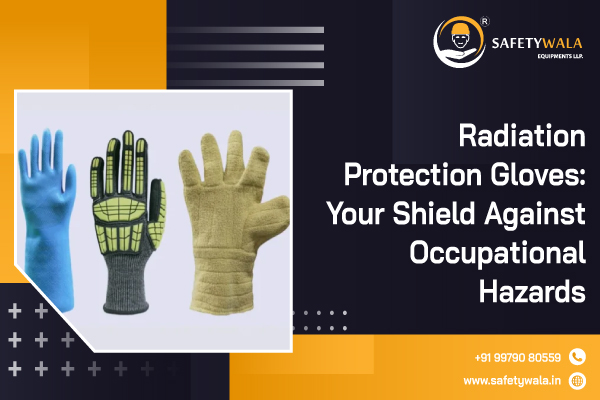
There are several types of radiation protection gloves, each designed to meet specific needs in various industries. Choosing a suitable glove is determined by the type of radiation absorbed, the duration of contact, and the amount of protection necessary.- Lead-Lined Gloves Lead-lined gloves are widely used in environments where workers are exposed to ionizing radiation, such as X-rays and gamma rays. These gloves are made from high-density materials, such as lead or lead composites, offering a robust defense against radiation penetration. Lead-lined gloves are particularly effective in medical imaging and radiology departments.
- Non-Lead Gloves Non-lead radiation protection gloves are made from alternative materials, such as barium, tungsten, or other high-density composites. These gloves are ideal for situations where lead is not preferred due to its weight, toxicity, or regulatory limitations. Non-lead gloves are lighter and more flexible, yet they still provide enough protection.
- Disposable vs. Reusable Gloves
- Disposable Gloves: These gloves are designed for one-time use and are typically used in settings where minimal radiation exposure is expected. They are lightweight, useful, and inexpensive, but they last less than reusable gloves.
- Reusable Gloves: Reusable radiation protection gloves are made from durable materials that can be used multiple times with proper care. These gloves are ideal for environments where long-term protection is required, such as nuclear plants or research laboratories.
The Hazards of Radiation Exposure
Radiation exposure, depending on the type and intensity, can have harmful effects on the human body. It is crucial to understand these potential hazards to appreciate the importance of using radiation protection gloves.- Short-Term Effects
Short-term radiation exposure can lead to immediate health issues, such as:
- Acute Radiation Syndrome: High doses of radiation can cause acute radiation sickness, leading to symptoms such as nausea, vomiting, fatigue, and hair loss. The severity depends on the radiation dose and exposure time.
- Skin Burns: Prolonged contact with radiation can lead to radiation burns on the skin. These burns can be painful and may cause long-lasting damage to the skin's texture and appearance.
- Long-Term Effects
Radiation exposure has far-reaching long-term consequences, including:
- Increased Risk of Cancer: One of the most concerning risks of long-term radiation exposure is the increased likelihood of developing various cancers, particularly leukemia and thyroid cancer. The genetic damage caused by radiation can lead to mutations in the body’s cells, which may become cancerous over time.
- Genetic Mutations: Radiation can damage DNA, leading to genetic mutations. These mutations may not only affect the individual but can also be passed on to future generations, potentially causing hereditary diseases.
Benefits of Wearing Radiation Protection Gloves
Wearing radiation protection gloves provides numerous benefits that contribute to worker safety and overall well-being in hazardous environments. These gloves help minimize exposure to harmful radiation and prevent health complications.- Preventing Radiation Burns The primary benefit of radiation protection gloves is the prevention of radiation burns. These burns can occur from direct contact with high-energy radiation, causing painful injuries. Gloves act as a physical barrier, shielding the skin from exposure.
- Reducing the Risk of Radiation-Related Illnesses Consistent use of radiation protection gloves helps reduce the risk of both short-term and long-term radiation-related health issues, including cancer, genetic mutations, and other illnesses caused by prolonged exposure to harmful radiation.
- Ensuring Compliance with Safety Regulations Many industries, particularly medical and nuclear sectors, are subject to stringent health and safety regulations. Using radiation protection gloves ensures compliance with these regulations, helping businesses avoid legal issues and protect workers' health.
Choosing the Best Radiation Protection Gloves
Choosing the appropriate radiation protective gloves is essential for ensuring sufficient safety. Several factors must be considered when making this choice, including the type of radiation, glove material, and comfort.- Type of Radiation Different types of radiation (X-rays, gamma rays, etc.) require different materials and glove designs. For instance, lead-lined gloves are suitable for gamma rays, while non-lead gloves might be preferred for X-ray exposure.
- Dexterity and Comfort Workers must have a good range of motion and comfort when wearing radiation protection gloves. It is important to choose gloves that allow for ease of movement and do not hinder manual tasks. Comfort is essential for extended wear.
- Durability Radiation protection gloves need to be durable enough to withstand repeated use and potential exposure to harmful substances. Look for gloves made of high-quality, long-lasting materials to ensure long-term protection.
Maintaining and Caring for Radiation Protection Gloves
Proper maintenance and care of radiation protection gloves are essential for ensuring their continued effectiveness and longevity. Here are some tips to help maintain gloves properly:- Proper Storage Store radiation protection gloves in a cool, dry place, away from direct sunlight and chemicals that could degrade the material. Proper storage helps maintain the gloves' structural integrity and ensures optimal protection.
- Cleaning and Disinfection Regular cleaning and disinfecting are necessary to remove any contaminants, chemicals, or debris that may accumulate on the gloves during use. Follow the manufacturer’s cleaning instructions to avoid damaging the gloves.
- Regular Inspection for Damage Periodically inspect gloves for signs of wear and tear, such as cracks, punctures, or thinning material. Damaged gloves should be replaced immediately to ensure that they continue to provide adequate protection.