

By safetywala
Jul 18, 2025
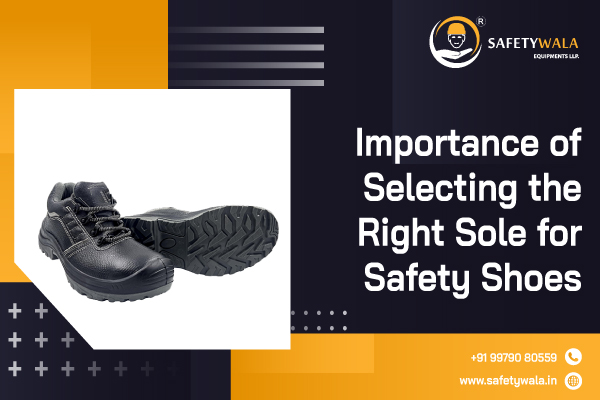
Choosing the correct sole for safety shoes is critical to total foot protection, comfort, and occupational safety. The sole is the shoe's basis and has a direct impact on grip, stability, and shock absorption. A well-constructed sole can minimize slips, falls, and major accidents in dangerous locations such as construction sites, factories, or oil-based workplaces. Rubber soles offer excellent slip resistance and durability, ideal for oily or wet conditions. PU (Polyurethane) soles provide lightweight cushioning and flexibility, perfect for indoor and long-hour usage. EH-rated soles are important for electricians and people who work with high voltages. Matching the sole to your job requirements improves comfort, reduces fatigue, and ensures you’re protected throughout the day. A good sole not only boosts performance but also plays a crucial role in meeting safety regulations. Prioritize your safety—start from the ground up with the right sole.
The Role of the Sole in Protection
A quality safety shoe sole offers:
- Traction: Prevents slips on wet or uneven surfaces.
- Stability: Supports balance and reduces fatigue.
- Protection: Shields against punctures, cuts, and impacts based on material and design.
Types of Soles
Rubber Soles
- Benefits: Excellent grip, durability, and resistance to oils and chemicals.
- Where to Use: Ideal for wet, slippery, or outdoor environments—perfect for construction, warehousing, and industrial work.
PU (Polyurethane) Soles
- Advantages: Lightweight, flexible, and offer good shock absorption.
- Applications: Great for roles involving moderate physical activity and indoor/outdoor duties.
EVA (Ethylene‑Vinyl Acetate) Soles
- Comfort Factor: Soft, flexible, and cushioned.
- Ideal Use: Best suited for indoor or light-duty work such as assembly lines or lab environments.
Steel‑Toe Soles
- Protection Level: Adds puncture and impact resistance beneath the toe area.
- Best For: Heavy-duty workplaces like construction, mining, and metalworking.
Considerations for Selecting the Best Sole
Work Environment
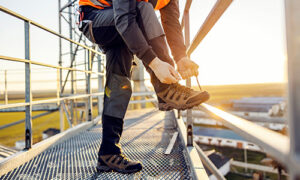
- Indoor vs. Outdoor: Outdoor roles require rugged, weather-resistant soles; indoor work may prioritize comfort.
- Surface Type: Wet, oily, or uneven surfaces require deep treads and slip resistance.
Job Requirements
- Heavy vs. Light Duty: Heavy-duty work needs durable, puncture-resistant soles; lighter work may only need cushioned EVA.
- Safety Standards: Ensure soles meet relevant certifications such as ASTM, EN ISO 20345, or IS 15298.
Personal Comfort
- Arch Support & Cushioning: Essential for long hours of standing or moving.
- Fit & Sizing: Proper fit reduces fatigue and prevents blisters, offering better overall safety.
How to Choose the Best Sole for Your Safety Shoes
- Consult a Specialist: Talk to a safety footwear expert to assess your role and site conditions.
- Test Soles in Real Conditions: Walk on different surfaces—wet, gravelly, oily—to check grip and comfort.
- Match Protection to Job Duties: Jobs with puncture or impact risk require rugged soles like steel-plate or rubber.
- Ensure Proper Fit: Try shoes with the intended socks and walk in them—comfort for full shifts is essential.
Why Choose Safety Wala Equipments LLP?
When it comes to reliable industrial safety shoes and soles, Safety Wala Equipments LLP is the trusted name across Ahmedabad, Gujarat, and India. As a leading supplier and dealer of certified safety footwear, we provide a wide range of high-performance options designed to protect workers in every industry—from construction and manufacturing to oil & gas and chemical sectors. Our product line includes top-quality safety shoes featuring steel toe, composite toe, electrical hazard protection, anti-slip soles, and waterproof options. We also offer premium soles that meet national and international safety standards. Whether you need lightweight comfort for long hours or rugged durability for tough job sites, our experts guide you to the right solution. We focus on customer satisfaction by offering genuine products, fast delivery, and responsive after-sales service. With a strong commitment to worker safety, we help businesses reduce injuries and boost productivity. Choose Safety Wala Equipments LLP for dependable protection, unmatched comfort, and trusted performance—your safety starts from the ground up.
Conclusion
The sole of a safety shoe is its foundation—affecting protection, comfort, and performance. Choosing the right sole based on work conditions, job requirements, and personal comfort ensures safety and productivity. Invest in quality shoes with the appropriate sole to prtect your feet and maximize work efficiency.
For expert advice and reliable safety footwear, Call Us: +91 99790 80559, Mail Us: sales@safetywala.in. Stay safe, stay strong!
Frequently Asked Questions
Why is the sole important in safety shoes?
The sole provides grip, stability, and protection. It helps prevent slips, punctures, and fatigue, making it a vital feature for comfort and safety in industrial, construction, or factory work environments.
Which sole is best for wet and oily surfaces?
Rubber soles are ideal for wet and oily surfaces. They offer superior slip resistance, durability, and traction, making them perfect for industrial and construction sites with slippery conditions.
What is the advantage of PU (Polyurethane) soles?
PU soles are lightweight, flexible, and offer excellent shock absorption. They’re perfect for indoor work or jobs that require long hours of standing, providing comfort without compromising on safety.
Are EVA soles suitable for heavy-duty work?
EVA soles are best for light-duty jobs. They’re soft, cushioned, and flexible but not suitable for rugged or high-impact work environments where strong protection is essential.
What sole material resists heat and chemicals?
Rubber soles resist heat, oils, and chemicals effectively. They're ideal for workplaces like welding, manufacturing, or chemical handling, offering superior safety under harsh conditions.
Do all safety shoes come with anti-slip soles?
Not all safety shoes have anti-slip soles. It’s important to check if the sole meets slip-resistant standards, especially for jobs involving wet or uneven surfaces.
How do I choose the right sole for electrical work?
Select shoes with insulating soles like PU or rubber, marked as EH (Electrical Hazard). They help prevent electric shocks and meet industry safety standards.
What is a dual-density sole in safety shoes?
A dual-density sole combines a soft inner layer for comfort with a harder outer layer for durability and slip resistance. It provides both cushioning and long-lasting protection.
Can the wrong sole cause fatigue or injury?
Yes, an incorrect sole can lead to poor grip, discomfort, or insufficient support, resulting in fatigue, slips, and even long-term foot injuries. Always match the sole to your job needs.
Where can I buy safety shoes with the right sole?
You can buy certified safety shoes with the right sole for your work at Safety Wala Equipments LLP, a trusted supplier in Ahmedabad, Gujarat, serving customers across India