

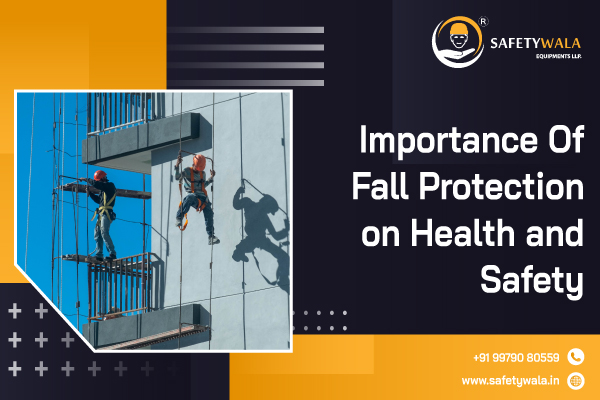
Common Causes of Falls
Falls in the workplace can occur for various reasons, but some factors are more common than others. Some of the key contributors to falls include:- Unstable Surfaces: Slippery floors, cluttered work areas, and uneven surfaces can create a high risk for accidents.
- Improper use of ladders and scaffolding: Workers may fall if proper precautions are not taken when using ladders or scaffolding.
- Lack of guardrails and fall arrest systems: Missing or poorly maintained safety barriers can lead to preventable falls from elevated areas.
- Inadequate Lighting: Poorly lit workspaces increase the chances of workers tripping or falling.
Benefits of Fall Protection
Implementing proper fall protection measures offers several significant benefits for both employees and employers:- Improved Worker Safety: Fall protection systems, such as guardrails, safety nets, and harnesses, protect workers from falling, reducing injuries and fatalities.
- Increased Productivity: A safer workplace leads to fewer accidents and fewer days off due to injury, resulting in increased worker productivity.
- Cost Savings: Preventing falls helps avoid costly medical bills, legal fees, and workers' compensation claims, which can be financially devastating for businesses.
- Employee Morale: When workers feel safe, their morale improves, which enhances their performance and job satisfaction. Ensuring a safe environment shows that an employer cares about their employees' health and well-being.
Regulations and Standards
In many countries, fall protection is regulated by laws that require employers to ensure that their workers are adequately protected from falls. For example, OSHA in the United States mandates that all workers working at heights above 6 feet must be protected by some form of fall protection, including personal fall arrest systems, guardrails, or safety nets. Employers have a responsibility to observe these standards, and noncompliance can result in severe penalties and fines. These regulations exist not only to protect workers but also to ensure that businesses uphold the highest safety standards and avoid legal repercussions.Tips for Implementing Fall Protection
Here are some practical tips for employers to implement fall protection measures effectively:- Conduct Regular Safety Audits: Regularly inspect the workplace to identify potential fall hazards and address them immediately.
- Install Proper Fall Protection Systems: Ensure that guardrails, safety nets, and fall arrest systems are installed in all necessary areas.
- Provide Training: Regularly train workers on proper fall protection techniques, including how to use equipment such as harnesses and lifelines.
- Ensure Proper Maintenance: Regularly inspect fall protection equipment and replace worn or damaged items to ensure their effectiveness.
- Promote Safe Practices: Encourage employees to follow safe work practices, such as keeping work areas clean and ensuring safe use of ladders and scaffolding.