

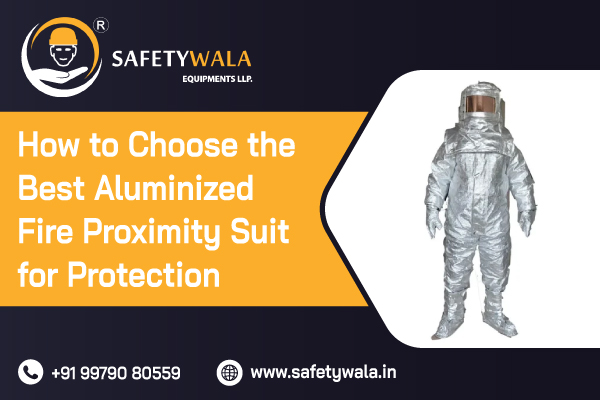
Understanding Aluminized Fire Proximity Suits
An aluminized fire proximity suit is a multilayer garment engineered to protect against radiant heat, intermittent flame, and brief contact with hot surfaces. Its hallmark is a thin metallic (usually aluminum) coating bonded to a heat-resistant substrate. That mirror-like shell reflects a significant portion of radiant energy away from the body, while the underlying layers slow heat conduction and add mechanical strength. In practice, that means a worker can approach heat sources closer and for longer intervals within the suit’s tested limits. The science is straightforward: radiant heat travels as electromagnetic energy; a reflective surface redirects much of it away instead of absorbing it. The remaining heat is managed by insulation, air gaps created by the garment’s cut, and moisture-wicking linings that help stabilize skin temperature.Components and their functions
A complete fire proximity ensemble typically includes:- Coat and trousers (or coverall): Primary radiant barrier and insulation over the torso and limbs. Generous overlap zones prevent gaps during movement.
- Hood with face shield: Protects head, neck, and face from radiant load and sparks. The shield is often gold- or iridium-coated polycarbonate to reflect heat while preserving visibility.
- Gloves: Aluminized or high-heat gloves matched to the suit’s rating, balancing insulation with dexterity for tool handling.
- Boots or over-boots: Heat-resistant soles and uppers to tolerate hot surfaces and debris.
- Closures and interfaces: Storm flaps, high-temp hook-and-loop, heavy-duty zippers, and cinch points to seal out hot gases and prevent snagging.
Factors to Consider When Choosing a Aluminized Fire Proximity Suit
Heat resistance: pick the right level for your hazard
Not all heat is equal. Radiant heat from furnaces and molten metal differs from convective heat in hot air streams or flame fronts, and conductive heat arises when you touch a hot surface. Choose a suit with verified performance for your dominant exposure:- Approach suits: For high radiant heat near furnaces and kilns, brief exposures, and task-based proximity.
- Proximity suits: For very high radiant heat with intermittent flame and potential splash, enabling closer approach with controlled durations.
- Entry suits (specialized): For extreme conditions and short-duration entry into very high heat zones; these are heavier and used with strict protocols.
Material: compare common constructions
- Aluminized aramid (e.g., para-aramid blends): Excellent thermal stability, cut/tear resistance, and lighter weight. Good choice for frequent movement and tool work.
- Aluminized fiberglass: Strong radiant reflection and high thermal tolerance; can be stiffer and less comfortable against skin, so quality linings matter.
- Aluminized carbon or high-performance blends: Enhanced thermal performance and durability; often premium-priced, suited to severe duty.
- Layered composites with moisture barriers: Useful where steam or hot liquid exposure is possible; ensure breathability to limit heat stress.
Comfort and fit: protection depends on mobility
A suit that doesn’t move with the body invites risk. Key comfort points:- Ergonomics: Pre-curved sleeves and knees, generous gussets, and articulated elbows/shoulders reduce pull and fatigue.
- Sizing: Enough volume for air gaps (insulation) and base layers without excessive bulk that snags or trips.
- Ventilation strategy: Designs that manage sweat via breathable liners and controlled venting help maintain worker focus.
- Interface harmony: Ensure hood, gloves, and boots integrate without gaps when reaching overhead, crouching, or climbing.
Durability: longevity and real-world toughness
Proximity suits endure abrasion, slag sparks, edge contact, and frequent don/doff cycles. Look for:- Reinforced wear zones: Elbows, knees, cuffs, and hems with extra patches or higher-denier fabrics.
- Robust stitching: High-temp threads, bar tacks at stress points, and seam designs that resist delamination.
- Coating adhesion quality: A durable aluminized layer that resists cracking and flaking under flex.
- Repairability: Availability of approved patch kits and service support to extend life while maintaining compliance.
Additional features: small details, big differences
- Reflective trim: Enhances visibility through steam, smoke, and glare.
- Tool-friendly pockets and loops: Keep critical instruments close without compromising seals.
- Quick-release closures: Speedy doffing in emergencies while maintaining secure closure during work.
- Name/ID windows: Aid accountability and maintenance tracking.
- Compatibility with SCBA/respirators: Clear hood geometry and harness cutouts where required.
- Anti-slip boot soles: Safer footing on dusty or scaled floors.
Tips for Proper Maintenance and Care
Cleaning and decontamination:
- Follow manufacturer methods only. Alkaline detergents, bleach, or aggressive solvents can degrade reflective coatings and liners.
- Remove loose debris first. Brush off slag, dust, and metal fines before washing to prevent abrasion in the drum.
- Use mild, approved detergents. Warm water cycles with gentle action protect coatings; avoid fabric softeners that leave residues.
- Rinse thoroughly. Detergent traces can attract dirt and reduce reflectivity.
- Air-dry in shade. High heat can warp visors and weaken adhesives; avoid tumble drying unless explicitly permitted.
Inspection and repairs
- Before every use: Check for delamination, pinholes, cracked visor coatings, seam frays, loose closures, and compressed insulation.
- After incidents: Any exposure to molten splash, direct flame, or chemical contamination warrants a detailed inspection and possible removal from service.
- Repairs: Use authorized materials and trained technicians; improvised fixes compromise certification and worker safety.
Storage
- Cool, dry, and dark. UV and humidity degrade coatings and fabrics over time.
- Hang, don’t cram. Use broad hangers or form-fitting stands to preserve shape and air gaps.
- Isolate from chemicals. Vapors from solvents, oils, or acids can attack layers even without direct contact.
- Protect visors. Store hoods with shields upright and covered to prevent scratches and optical distortion.
Choosing by use case: practical scenarios
- Foundry tapping and ladling: Prioritize high radiant reflection, molten splash resistance, and gloves with robust gripping surfaces; ensure coats overlap trousers during forward lean.
- Glass forming and annealing: Opt for excellent visibility through the visor, lighter suits for repetitive motion, and trim that stays visible through glare.
- Kiln inspection and refractory work: Favor abrasion-resistant knees/elbows and designs that maintain seal integrity while kneeling or climbing.
- Emergency response near hot zones: Quick-don features, broad size ranges, and compatibility with breathing apparatus are vital.
- Maintenance in hot plants: Balanced suits that trade a small amount of peak protection for superior mobility and heat-stress management can reduce fatigue.
Design components other than the suit
The safest operations pair the right suit with:- Heat-tolerant base layers: Flame-resistant, moisture-wicking undergarments reduce steam burns and manage sweat.
- Training: Donning/doffing sequences, buddy checks, heat-stress recognition, and retreat timings.
- Work/rest cycles: Scheduled cooling intervals, hydration protocols, and shaded staging zones.
- Hazard reassessment: Update suit selection when processes, fuels, or approach distances change.