

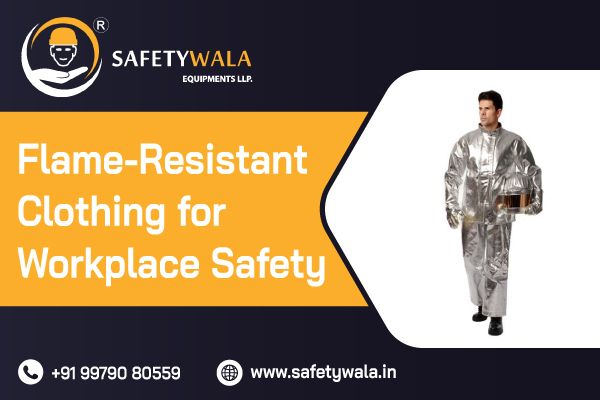
Flame-Resistant Clothing and How It Works
Flame-resistant (FR) clothing is specially designed to protect wearers from fire-related hazards. Unlike ordinary fabrics that easily ignite, FR clothing is engineered to self-extinguish once the heat source is removed. This reduces the severity of burns and provides precious seconds for workers to escape dangerous situations. Instead of melting or dripping when exposed to flames, FR fabrics form a protective barrier, insulating the skin from direct heat exposure. This design significantly lowers the risk of severe burn injuries.Materials Used in the Construction of Flame-Resistant Clothing
FR clothing is made using advanced fabrics like:- Aramid fibers (Nomex, Kevlar): Known for exceptional resistance to heat and flames.
- Treated cotton: Regular cotton that undergoes chemical treatment to provide flame resistance.
- Modacrylic fibers: Soft, durable, and resistant to ignition, often blended with cotton.
- Carbon-based fibers: Provide high strength and stability at elevated temperatures.
Industries That Benefit from Flame-Resistant Clothing
- Oil and Gas Industry: Workers in the oil and gas sector frequently face exposure to flammable gases, vapors, and liquids. A small spark can result in massive explosions. FR clothing is mandatory in these environments to minimize injuries and increase survival chances during fire-related accidents.
- Construction Industry: Construction sites often involve welding, cutting, and the use of heavy electrical equipment. Sparks, hot metals, and combustible materials increase fire risks. Wearing FR clothing provides a reliable layer of defense, ensuring construction workers remain safe while performing high-risk tasks.
- Firefighters: For firefighters, flame-resistant clothing is not optional but essential. Their daily duties involve walking directly into fire zones. FR gear, combined with thermal insulation, shields them from extreme heat, burns, and toxic flames, allowing them to perform rescues safely.
- Electrical Workers: Electrical workers deal with arc flashes and short circuits, which can cause sudden bursts of high-intensity flames. FR clothing protects against arc flash injuries, ensuring that workers can carry out their duties without constant fear of severe burns.
- Benefits of Flame-Resistant Clothing
- Protection from Burns and Other Injuries- The primary benefit of FR clothing is its ability to minimize burns and related injuries. Forming a protective barrier, it drastically reduces the direct impact of flames on the skin.
- Increased Chances of Survival in a Fire or Explosion- Survival often depends on seconds. FR clothing provides those crucial moments to escape by reducing burn intensity. This significantly improves the likelihood of survival during explosions or sudden fire outbreaks.
- Compliance with Safety Regulations and Standards
- Many governments and industries mandate the use of flame-resistant clothing. Wearing FR gear ensures compliance with occupational safety standards, avoiding penalties while prioritizing worker well-being.
Tips for Choosing and Maintaining Flame-Resistant Clothing
- Proper Fit and Sizing: The effectiveness of FR clothing depends on its fit. Clothes that are too loose can get caught in machinery, while overly tight garments may restrict movement. Choosing the correct size ensures safety and comfort.
- Cleaning and Care Instructions: Proper care extends the lifespan of FR clothing. Use mild detergents, avoid bleach, and wash separately from regular clothing. Never use fabric softeners as they can weaken flame resistance. Air drying or tumble drying on low heat is recommended.
- Replacement Guidelines: Even high-quality FR clothing wears out over time. Replace garments if they show signs of thinning, tearing, or reduced effectiveness. It’s essential not to compromise on safety by wearing damaged or expired clothing.