

By safetywala
Oct 9, 2025
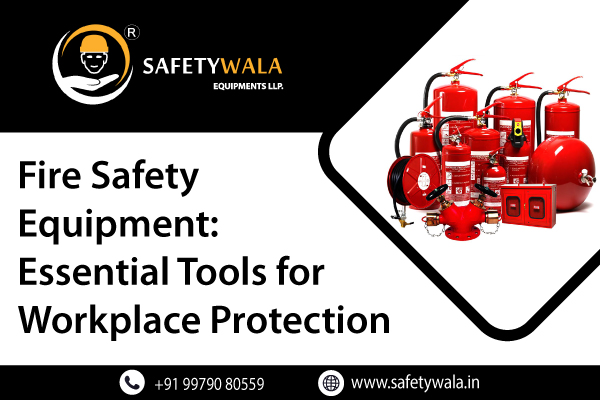
Fire safety is a crucial part of every workplace, regardless of industry or size. A single fire incident can cause severe property damage, financial loss, business downtime, and even endanger lives. To prevent such risks, workplaces must be equipped with the right fire safety equipment. Tools like fire extinguishers, alarms, sprinkler systems, emergency lighting, fire blankets, and personal protective equipment (PPE) are essential for quick detection, control, and safe evacuation during emergencies. Combined with proper training and regular maintenance, fire safety equipment not only ensures compliance with safety regulations but also creates a secure environment that protects employees and supports business continuity.
Importance of Fire Safety in the Workplace
Workplaces today face numerous fire hazards—flammable materials, electrical wiring, combustible gases, and high-heat machinery. Fire safety equipment is not optional; it is a legal and ethical responsibility. Fire safety equipment includes a range of devices designed to detect, control, and extinguish fires. From fire extinguishers and alarms to sprinklers and personal protective equipment (PPE), each plays a vital role in workplace safety. A well-prepared workplace can:
- Prevent minor sparks from turning into major incidents.
- Minimize property loss and production downtime.
- Protect employees, clients, and visitors.
- Build a culture of safety and trust.
Common Fire Hazards in the Workplace
- Faulty electrical wiring and overloaded circuits – Damaged wiring and overloaded sockets spark fires, making regular inspections and maintenance essential.
- Improper storage of flammable liquids and gases – Storing chemicals carelessly increases fire risks, requiring sealed containers, labeling, and compliance with safety storage guidelines.
- Negligence in handling heat-producing equipment – Mishandling welding tools, stoves, or machinery leads to accidental fires, emphasizing the need for strict safety protocols and training.
- Lack of ventilation in confined areas – Poor ventilation allows heat, smoke, or flammable vapors to accumulate, creating dangerous fire hazards in industrial or enclosed spaces.
Importance of Risk Assessment
Regular fire risk assessments identify hazards, measure vulnerabilities, and help develop tailored fire safety strategies.
Role of Fire Safety Equipment in Mitigating Risks
By addressing risks early, fire safety equipment ensures timely detection, effective suppression, and safe evacuation.
Fire Extinguishers
Types of Fire Extinguishers
- Water – Best for paper, wood, and textile fires.
- Foam – Effective against flammable liquids like petrol and oil.
- Dry Chemical – Versatile; works on electrical and combustible fires.
- CO₂ – Ideal for electrical and flammable liquid fires.
Proper Usage and Maintenance
Employees must be trained in the PASS technique: Pull, Aim, Squeeze, and Sweep. Regular inspections ensure extinguishers remain charged and functional.
Placement and Accessibility
Extinguishers should be placed at visible, easily accessible points with clear signage for quick use.
Fire Alarms and Detection Systems
Types of Fire Alarms
- Ionization Alarms – Detect small, fast-spreading flames.
- Photoelectric Alarms – Ideal for smoldering, smoky fires.
Importance of Regular Testing and Maintenance
Routine testing prevents false alarms and ensures readiness in emergencies. Modern systems connect alarms with sprinklers, control rooms, and local fire stations for rapid response.
Sprinkler Systems
Types of Sprinkler Systems
- Wet pipe systems.
- Dry pipe systems.
- Deluge systems.
- Pre-action systems.
Benefits of Automatic Sprinkler Systems
They control or extinguish fires even before emergency teams arrive, saving lives and property.
Maintenance and Inspection Requirements
Quarterly and annual checks ensure valves, pipes, and nozzles are functional.
Emergency Lighting
In a fire, visibility is often reduced by smoke and power failure. Emergency lighting guides safe evacuation.
Types of Emergency Lighting Systems
- Exit route lights.
- Standby lighting.
- High-intensity backup systems.
Regular Testing and Maintenance Protocols
Monthly testing and battery checks keep systems reliable during crises.
Fire Blankets
Fire blankets smother small fires, cutting off oxygen supply. They are especially useful in kitchens, laboratories, and workshops.
Proper Usage Guidelines
Pull the blanket, shield yourself, and place it gently over the flames.
Blankets must be wall-mounted in clear, labeled containers for quick access.
Personal Protective Equipment (PPE)
Types of PPE for Fire Safety
- Fire-Resistant Clothing – Protects against flames and heat.
- Respirators – Prevent inhalation of smoke and toxic gases.
Importance of Training in PPE Usage
Without proper knowledge, even high-quality PPE cannot protect effectively. Training ensures correct and timely use.
Maintenance and Inspection of PPE
Regular checks for wear and tear extend PPE life and maintain protection standards.
Importance of Fire Safety Training for Employees
Fire safety training equips employees to act quickly and confidently during emergencies, reducing panic and preventing injuries. Regular fire drills simulate real scenarios, ensuring safe evacuation procedures are followed. Updated training keeps staff aware of evolving hazards, the proper use of fire safety equipment, and compliance with workplace safety standards. Well-prepared employees significantly strengthen workplace safety, protect assets, and contribute to creating a secure working environment for everyone.
Why Choose Safety Wala Equipments LLP?
When it comes to protecting workplaces from fire hazards, having the right safety equipment is non-negotiable. Safety Wala Equipments LLP stands as a trusted name, delivering certified and reliable fire safety solutions designed to meet the highest standards of protection. As the leading Fire Safety Equipment supplier and dealer in Ahmedabad, we provide a complete range of safety products, including fire extinguishers, fire alarms, sprinklers, emergency lighting, fire blankets, and personal protective equipment (PPE). Each product is carefully selected to ensure durability, effectiveness, and compliance with safety regulations. Our expertise extends across multiple industries, from factories and warehouses to corporate offices, hospitals, schools, and commercial spaces. Whether you need portable extinguishers for small facilities or advanced sprinkler systems for large-scale operations, we tailor solutions to your unique requirements.
As a trusted Fire Safety Equipment supplier and dealer in Gujarat, we focus on not only delivering equipment but also offering guidance on installation, maintenance, and employee fire safety training. This ensures workplaces remain protected at all times. Choose Safety Wala Equipments LLP for dependable fire safety solutions that safeguard people, property, and productivity with unmatched quality and service.
Conclusion
Fire safety tools protect lives, prevent property damage, and maintain business continuity. Every workplace must conduct regular assessments and invest in proper fire equipment. Consistent training, inspections, and upgrades save lives and ensure compliance. For more information, contact us: Call: +91 99790 80559, Mail: sales@safetywala.in.
Frequently Asked Questions
Q1. Why is fire safety equipment necessary in the workplace?
Fire safety equipment protects employees, assets, and property by controlling or extinguishing fires quickly. It ensures compliance with safety laws, reduces risks, and provides peace of mind during emergencies, saving lives and minimizing damage.
Q2. What are the essential types of fire safety equipment?
Key fire safety equipment includes fire extinguishers, alarms, sprinkler systems, emergency lighting, fire blankets, and personal protective equipment. Together, these tools ensure rapid detection, suppression, and safe evacuation in workplace fire emergencies.
Q3. How often should fire extinguishers be serviced?
Fire extinguishers require monthly visual checks and professional servicing at least annually. This ensures they remain fully charged, functional, and compliant with workplace safety regulations, guaranteeing reliability during unexpected fire incidents.
Q4. What role do fire alarms play in fire safety?
Fire alarms detect smoke or flames early, alerting employees to evacuate promptly. Integrated alarm systems also activate sprinklers or connect to emergency services, significantly reducing response time and protecting lives during workplace fire emergencies.
Q5. Why are sprinkler systems effective in workplaces?
Sprinkler systems automatically release water or foam when heat is detected, controlling or extinguishing fires before they spread. They provide 24/7 protection, often saving lives and minimizing property damage in high-risk industrial environments.
Q6. What is the purpose of emergency lighting?
Emergency lighting provides visibility during power failures or smoke-filled environments, guiding employees safely toward exits. It is vital for safe evacuation, preventing panic, and ensuring compliance with workplace fire safety regulations.
Q7. When should fire blankets be used?
Fire blankets are ideal for smothering small fires, especially in kitchens or labs. They cut off oxygen supply, extinguishing flames safely, and can also be wrapped around individuals whose clothing has caught fire
Q8. What personal protective equipment (PPE) supports fire safety?
PPE includes fire-resistant clothing, gloves, helmets, and respirators. These safeguards protect workers from burns, smoke, and toxic fumes. Proper training ensures employees use PPE effectively during fire emergencies, improving survival chances and workplace safety.
Q9. Why is employee fire safety training important?
Training prepares employees to use equipment correctly, follow evacuation routes, and stay calm during emergencies. Regular drills build confidence, minimize panic, and ensure coordinated, efficient responses that save lives and reduce workplace hazards.
Q10. How can businesses maintain effective fire safety equipment?
Businesses must schedule regular inspections, replace faulty equipment, and conduct routine fire drills. Compliance with safety standards and proactive maintenance ensures fire equipment remains effective and ready during real emergencies.