

By safetywala
Jan 7, 2026
Key Takeaways
- Fall protection devices are critical for working at height safety, as even short falls can cause severe injuries and long-term operational impact.
- A complete fall protection system works as a unit, combining anchorage, full body harness, connectors, deceleration devices, and a clear rescue plan.
- Retractable Fall Arresters improve safety and mobility, offering quick locking response and reduced free-fall distance for dynamic work environments.
- Correct product selection and regular inspection reduce failure risk, ensuring fall protection equipment performs as designed under real site conditions.
- Partnering experienced suppliers like Safety Wala Equipments LLP strengthens compliance and safety culture, supporting certified products, technical guidance, and reliable long-term protection.
Working at height remains one of the highest risk activities across industrial, commercial, and infrastructure sectors. Falls from height lead to serious injuries, long-term disability, and fatalities every year. Even a short fall can cause severe harm. Because of this, using the right fall protection device is not optional. It is a core safety requirement for any task performed above ground level.
Importance of Fall Protection in Modern Worksites
Industries such as construction, oil and gas, power generation, warehouses, ports, telecom, and manufacturing depend on working at height. Workers operate on rooftops, scaffolds, ladders, platforms, towers, and structural frames. One slip, misstep, or equipment failure can change lives instantly. A certified fall protection device controls this risk by limiting fall distance and arresting falls within safe force limits.
Organizations that invest in proper fall protection systems report fewer incidents, lower compensation costs, and improved worker confidence. Safety also improves productivity. Workers move with clarity when protection systems are reliable and comfortable.
What Is a Fall Protection Device
A fall protection device is equipment designed to prevent falls or reduce injury severity when a fall occurs. These devices connect the worker to a secure anchorage point. They work as part of a complete system rather than standalone items. A complete system includes anchorage, body support, connectors, and deceleration mechanisms. Selecting the correct fall protection device depends on job height, working surface, mobility needs, number of users, and rescue planning.
Core Elements of a Fall Protection System
Every effective fall protection system includes five essential elements. The anchorage provides a secure attachment point. It must withstand defined load ratings. The body support is usually full body harness. It distributes fall forces across strong body areas. The connector links the harness to the anchor. This includes lanyards, lifelines, or retractable units. The deceleration device limits arrest force during a fall. The rescue plan defines how to retrieve a worker quickly after fall. Removing or ignoring any element compromises the entire system.
Full Body Harnesses and Their Role
Full body harnesses are the backbone of personal fall protection. They secure the worker during normal movement and during a fall event. A harness includes shoulder straps, leg straps, chest straps, and attachment points. Most fall arrest systems use the dorsal D-ring. Comfort matters. Poorly designed harnesses cause fatigue and improper usage. A quality harness supports posture and movement while maintaining strength. It pairs with any fall protection device to create a reliable safety solution.
Lanyards and Shock Absorbers
Lanyards connect the harness to the anchorage. They may be fixed length or adjustable. Shock absorbing lanyards reduce impact force by deploying during the fall. This protects the worker and the anchorage structure. Correct lanyard length selection limits free fall distance. Excess length increases arrest force and injury risk. Lanyards work best for tasks with limited movement.
Lifeline Systems for Vertical and Horizontal Access
Vertical lifelines support ladder climbing and tower access. They guide the workers along a fixed path. Horizontal lifelines allow movement across rooftops, bridges, and industrial structures. These systems support single or multiple users based on design. Proper tensioning and energy absorbers manage fall loads. Engineering design is essential for safety compliance. A knowledgeable fall protection device supplier in Ahmedabad supports lifeline selection based on site conditions and load requirements.
Retractable Fall Arresters for Dynamic Work
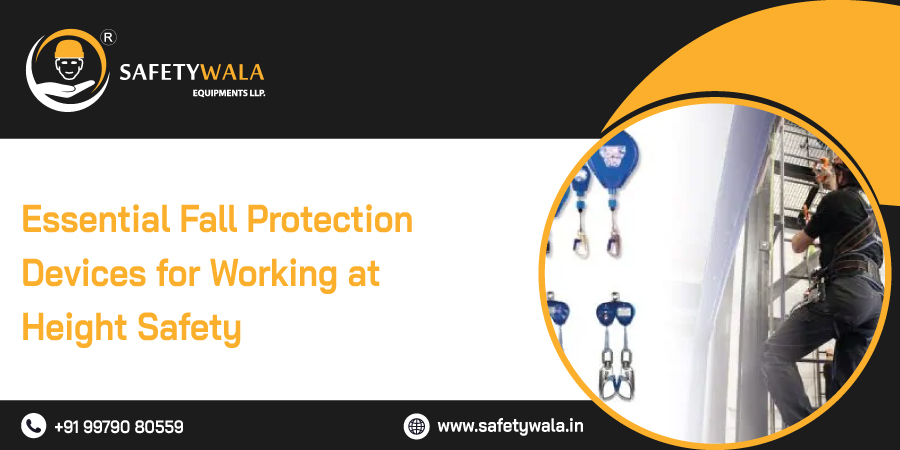
A Retractable Fall Arrester is an advanced fall protection solution designed for dynamic movement. It extends smoothly as the worker moves and locks instantly during a fall. This reduces free fall distance to a minimum and lowers arrest force. A Retractable Fall Arrester supports tasks such as steel erection, maintenance platforms, loading docks, and elevated machinery access. Workers prefer it due to freedom of movement and fast response. Mounting position matters. Overhead anchorage provides the best performance. Housing material, line length, and braking mechanism must match application needs. A certified Retractable Fall Arrester improves safety outcomes when used correctly.
Work Positioning Systems
Work positioning systems allow workers to maintain a stable position with hands-free support. These systems prevent falls by supporting the worker during tasks such as tower maintenance or pole work. They are not designed for fall arrest but work alongside arrest systems for complete protection.
Restraint Systems for Fall Prevention
Restraint systems prevent workers from reaching a fall edge. They limit movement before exposure occurs. These systems reduce reliance on arrest systems and eliminate fall risk when used correctly. Restraint solutions work well on rooftops, mezzanines, and elevated platforms.
Industry Applications for Fall Protection Devices
Construction sites rely on harnesses, lanyards, lifelines, and retractable units daily. Power plants use vertical systems and guided type fall arresters. Warehouses depend on roof anchors and restraint lines. Telecom towers use climbing systems with guided rails. Each industry has unique hazards. A Trusted fall protection device supplier in india supports industry-specific requirements with compliant solutions.
Standards and Compliance
Fall protection equipment must comply with applicable safety standards such as IS, EN, or ANSI. Certification confirms performance under defined conditions. Non-certified equipment increases risk and legal exposure. Documentation, training records, and inspection logs support compliance during audits.
Inspection and Maintenance Practices
Inspection occurs before every use. Workers check webbing, connectors, housing, and locking mechanisms. Annual inspection by a competent person is required. Any fall protection device involved in a fall must be removed from service immediately. Proper storage protects equipment from UV exposure, chemicals, and moisture.
Product Focus and Practical Value
Modern fall protection equipment balances safety and usability. Lightweight harnesses reduce fatigue. Compact retractable units support movement. Modular anchors adapt to different structures. Each fall protection device must support real working conditions without shortcuts. Safety improves when equipment matches the task.
Why Choose Us
Safety Wala Equipments LLP delivers dependable fall protection solutions designed for real industrial environments. The company focuses on certified products, technical clarity, and practical application. Safety Wala Equipments LLP supports clients from product selection to post-sale guidance. Their industry experience helps organizations choose the right fall protection device for each task. Safety Wala Equipments LLP stands out for consistent quality, responsive service, and safety-driven approach. Businesses across sectors rely on Safety Wala Equipments LLP to strengthen working at height safety without complexity.
Conclusion
Working at height carries serious risk across industries. Falls cause severe injuries and operational loss. A certified fall protection device forms the foundation of working at height safety. Harnesses, anchors, lifelines, and a Retractable Fall Arrester work together to control fall hazards. Correct selection depends on task type, environment, and movement needs. Partnering with experienced suppliers improves compliance and safety performance. Safety Wala Equipments LLP supports organizations with reliable solutions focused on real site conditions and standards. Strong fall protection systems protect workers, productivity, and long-term business value.
Learn more about essential fall protection devices Call +91 99790 80559 or email sales@safetywala.in
Frequently Asked Questions
What is a fall protection device?
It is equipment designed to prevent falls or reduce injury by arresting falls safely.
When should a Retractable Fall Arrester be used?
It suits tasks requiring frequent movement with minimal slack and fast fall response.
How often should fall protection equipment be inspected?
Inspect before every use and conduct a detailed inspection at least once a year.
Can one system cover all working at height tasks?
No. Each task needs a system matched to height, structure, and movement.
Why choose a certified supplier for fall protection equipment?
Certified suppliers provide compliant products, technical guidance, and reliable support.