

By safetywala
Oct 9, 2025
Hands are one of the most valuable tools in the workplace, yet they are also the most vulnerable. Every year, thousands of workers suffer from hand injuries due to cuts, lacerations, and punctures. These injuries can lead to pain, downtime, and even permanent disability. Protecting hands is not just a safety measure—it is an investment in worker health, productivity, and long-term business success. Cut resistance gloves are a critical part of personal protective equipment (PPE). They provide a strong barrier between sharp objects and sensitive skin, preventing injuries and ensuring employees work with confidence.
Cut Resistance Gloves and Their Role in Safety
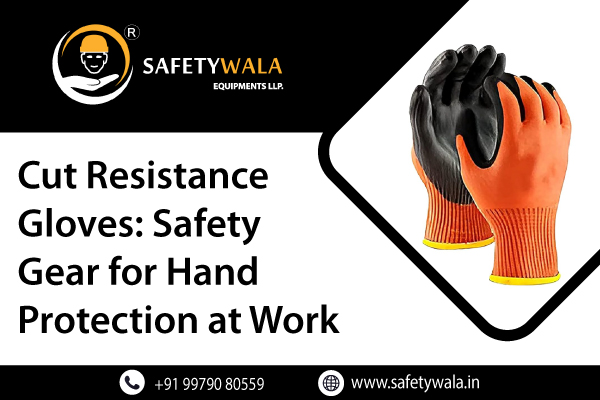
Cut resistance gloves are designed to shield hands from sharp tools, blades, machinery, and other workplace hazards. They are made with specialized materials that resist slicing or tearing, while still offering comfort and dexterity. Their role in safety is unmatched, as they reduce risks, improve grip, and enhance efficiency across industries. Cut resistance refers to the ability of gloves to withstand damage when exposed to sharp edges. Gloves with higher cut resistance provide better protection during demanding tasks.
Importance of Cut Resistance Gloves in Various Industries
Industries like construction, automotive, glass manufacturing, metalworking, and food processing heavily rely on cut resistance gloves. Workers in these fields face daily risks from tools, wires, blades, and machinery parts.
Common Causes of Hand Injuries
- Handling sharp tools without proper protection
- Contact with glass, metal, or wires
- Accidental slips while cutting or welding
- Poor glove quality or improper glove use
Types of Cut Resistance Gloves
Material Composition
- Kevlar – Strong synthetic fiber, lightweight, resistant to cuts, heat, and abrasions.
- Steel Mesh – Stainless steel interlocked rings, ideal for butchery and food processing where maximum protection is essential.
- High-Performance Polyethylene (HPPE) – Lightweight, flexible, and highly resistant to cuts, offering comfort and dexterity for long hours of use.
Different Levels of Cut Resistance (ANSI/ISEA Standards)
Gloves are rated from A1 to A9 under ANSI/ISEA standards.
- A1–A3: Light to moderate cut risks (small tools, packaging).
- A4–A6: Medium to high risks (glass handling, automotive).
- A7–A9: Extreme risks (metal stamping, heavy machinery).
Specialty Gloves for Specific Tasks
- Waterproof cut-resistant gloves – For wet environments.
- Heat-resistant cut gloves – For welding and foundries.
- Disposable cut-resistant liners – For cleanroom or food safety.
Benefits of Using Cut Resistance Gloves
- Enhanced Safety and Injury Prevention – Cut resistance gloves act as a protective barrier, minimizing risks from sharp objects, reducing hand injuries, and ensuring employees stay safe in high-risk industrial environments daily.
- Improved Grip and Dexterity – Designed with advanced materials, modern gloves provide excellent grip and flexibility, enabling workers to handle tools, equipment, and materials securely without slips or reduced performance.
- Increased Productivity and Confidence – Safe hands improve worker confidence. With reliable protection, employees work faster, more accurately, and with less hesitation, enhancing overall productivity while reducing costly downtime.
Selecting the Right Cut Resistance Gloves
- Assessing Workplace Hazards – Identify potential risks such as sharp metal, glass, or hot surfaces. Choose gloves with the proper cut resistance level to match your specific workplace hazards effectively.
- Evaluating Glove Fit and Comfort – Gloves should fit snugly, provide comfort, and not restrict hand movements. Proper fit ensures consistent use, better protection, and compliance with workplace safety requirements.
Considering Additional Features
Look for added features such as:
- Waterproof coatings for wet conditions
- Thermal insulation for heat protection
- Breathable fabrics for long wear
Proper Use and Maintenance of Cut Resistance Gloves
Guidelines for Wearing Gloves Correctly
- Always choose gloves with the right cut rating.
- Ensure a proper fit to avoid slipping or exposure.
- Replace immediately if torn or worn out.
Cleaning and Care Instructions
- Wash according to the manufacturer’s guidelines.
- Air-dry gloves to maintain shape.
- Avoid harsh detergents that weaken fibers.
Signs of Wear and When to Replace Gloves
- Visible tears or thinning fabric
- Reduced grip or elasticity
- Frequent discomfort during use
Importance of Training Employees on Glove Usage
Workers must be trained on when and how to wear gloves, proper fit, and care practices to ensure effectiveness.
Creating a Culture of Safety in the Workplace
Safety culture starts with leadership. Employers must encourage consistent PPE use and recognize employees who follow safety guidelines.
Resources for Ongoing Education
- Safety workshops and training sessions
- Safety posters and reminders in the workplace
- Regular refresher courses on glove use
Why Choose Safety Wala Equipments LLP?
When it comes to workplace safety, choosing the right protective gear is essential. Safety Wala Equipments LLP is the trusted cut resistant gloves dealer and supplier in Ahmedabad, offering a wide range of premium-quality gloves designed to ensure worker safety across industries. Our products combine durability, comfort, and superior hand protection, making them the first choice for businesses in manufacturing, construction, metalworking, and more. We provide an extensive collection of cut-resistant gloves, including Chain Mesh, CRC-101 (Y/O), CRC-101-A, Grey/Blue Knitted Hand Safety Gloves, CRC-PLUS, Deximate Resistance Hand Gloves, DRC Cut 3, DRC-105 Yellow/Green Resistance Gloves, DRC-CUT5, and Drift. Each type is crafted to meet specific industry requirements, ensuring enhanced safety and performance.
Our gloves are engineered with high-quality materials that meet international safety standards, offering features like superior grip, high cut resistance, and long-lasting protection. Whether your workplace requires lightweight gloves for precision tasks or heavy-duty options for high-risk environments, we deliver the perfect solution. As a leading supplier of cut resistant gloves in Gujarat, we are committed to protecting workers, improving productivity, and supporting a safer work culture. Partner with us to experience unmatched safety solutions tailored to your industry needs.
Conclusion
Cut-resistant gloves are vital in preventing workplace accidents, protecting workers, and ensuring smooth, safe operations. Employers and workers must prioritize protective gear to reduce risks and maintain a safe work culture. Investing in high-quality gloves saves money, reduces injuries, and improves workplace productivity.
Contact us for more info about cut resistance gloves. Call Us: +91 99790 80559, Mail Us: sales@safetywala.in.
Frequently Asked Questions
What are cut resistance gloves?
Cut resistance gloves are protective gloves made from strong fibers like Kevlar, steel mesh, or HPPE. They protect hands from cuts, abrasions, and punctures while allowing flexibility, grip, and comfort in industrial and commercial work environments.
Why are cut resistance gloves important at work?
They reduce the risk of hand injuries, one of the most common workplace accidents. By preventing cuts and lacerations, these gloves keep employees safe, minimize downtime, and improve productivity across industries such as construction, glass, and metalwork.
Which industries need cut resistance gloves the most?
Industries like construction, automotive, glass manufacturing, food processing, metal fabrication, and logistics heavily rely on cut resistance gloves to protect workers from sharp objects, tools, or machinery that can cause serious injuries during daily operations.
What materials are used in cut resistance gloves?
Common materials include Kevlar for lightweight strength, steel mesh for maximum protection, and HPPE for flexibility and high cut resistance. Each material provides specific benefits, ensuring gloves are suitable for different tasks and workplace hazards.
How are cut resistance gloves rated?
Gloves are tested using ANSI/ISEA standards and rated from A1 to A9. A1 offers basic protection for light tasks, while A9 ensures extreme protection against sharp tools, blades, and heavy-duty industrial hazards.
Can cut resistance gloves also protect against heat?
Yes, certain cut resistance gloves are designed with heat-resistant properties. These gloves provide dual protection against sharp objects and high temperatures, making them ideal for welding, foundries, or industries exposed to extreme heat environments.
How do I choose the right cut resistance gloves?
Start by assessing workplace hazards, required cut resistance levels, and comfort. Consider additional features like waterproof coatings or insulation. The right gloves should balance protection, grip, dexterity, and wearability for maximum worker safety.
How should cut resistance gloves be maintained?
Gloves should be cleaned as per manufacturer guidelines, air-dried to maintain shape, and stored properly. Regular inspections for tears, thinning, or reduced grip ensure gloves remain effective and safe for continued workplace use.
When should cut resistance gloves be replaced?
Replace gloves immediately if there are visible tears, thinning fibers, reduced grip, or discomfort. Worn-out gloves lose their protective capability and increase the risk of hand injuries during workplace activities.
Do employees need training to use cut resistance gloves?
Yes, proper training ensures employees know when to use gloves, how to select correct cut resistance levels, and how to maintain them. Awareness promotes consistent use, reduces accidents, and strengthens workplace safety culture.