

What is PPE (Personal Protection Equipment)?
Personal Protective Equipment (PPE) is specialized apparel or garments used by workers to safeguard them from industrial risks. In construction, PPE includes helmets, gloves, safety glasses, ear protection, respiratory masks, and safety footwear. The equipment prevents workers from being injured by falling items, sharp materials, loud noises, hazardous dust, and other hazards that are frequent on construction sites. Using the appropriate PPE completely minimizes the risk of major injuries, illnesses, and even fatalities. It also helps businesses comply with safety regulations, avoiding legal penalties and ensuring smooth operations.Types of Construction Safety PPE
Construction sites require a wide variety of PPE to address the different risks present. These are the primary categories of construction safety PPE:Head Protection
- Safety Helmets- Safety helmets are intended to protect the head against falling objects, impacts, and electrical dangers. A sturdy helmet reduces the risk of serious head injuries, which are common in construction.
- Hard Hats- Hard hats offer similar protection but are designed with added strength and impact resistance. Many hard helmets are also resistant to electrical shocks, making them appropriate for construction sites requiring electrical activity.
Eye Protection
- Safety Glasses- Safety glasses protect the eyes from dust, flying debris, and small particles. They are required for works like as cutting, grinding, and drilling, where particles can cause serious eye injury.
- Safety Goggles- Safety Goggles provide complete coverage around the eyes and offer better protection against chemical splashes, dust, and flying particles. They are especially important in dusty environments or when working with hazardous liquids.
Hearing Protection
- Ear Plugs- Earplugs reduce noise levels and protect against hearing damage in loud construction environments. They are lightweight, straightforward to use, and appropriate for operations requiring large gear or equipment.
- Ear Muffs- Ear muffs provide higher levels of noise reduction and are ideal for long-duration use in extremely loud environments. They cover the entire ear, offering comfort and effective hearing protection.
Hand Protection
- Safety Hand Gloves- Hands are at high risk of cuts, burns, punctures, and chemical exposure. The right gloves protect against these risks. There are several gloves available for working with tools, chemicals, sharp objects, and heavy lifting.
Foot Protection
- Steel-Toed Boots- Steel-toed boots protect feet from falling objects, sharp debris, and heavy machinery. They are essential for preventing crush injuries on construction sites.
- Safety Shoes- Safety shoes offer comfort along with protection. They often include slip-resistant soles, toe caps, and puncture-resistant materials to prevent foot injuries.
Respiratory Protection
- Dust Masks- Dust masks prevent workers from breathing hazardous dust, debris, and particles. They are vital on construction sites where cutting, grinding, or demolition work creates airborne dust.
- Respirators- Respirators offer a higher level of protection, filtering out hazardous fumes, gases, and fine particles. They are essential for work involving chemicals, painting, or confined spaces.
Choosing the Right Construction Safety PPE
Selecting the correct PPE for construction work is critical for ensuring maximum protection. Here are key factors to consider:- Assessing the Hazards in the Workplace: Before choosing PPE, conduct a thorough risk assessment. Identify potential hazards such as falling objects, sharp tools, loud noises, harmful dust, or chemical exposure. This helps determine the specific types of PPE required.
- Understanding the Different Types of PPE Available: Each construction task may require different PPE. For example, workers handling chemicals need gloves and goggles, while those working at heights need helmets and harnesses. It is very important to choose PPE appropriate for the work and environment.
- Proper Sizing and Fit: PPE must fit properly to be effective. Ill-fitting PPE can cause discomfort, reduce mobility, and fail to provide adequate protection. Ensure that PPE like helmets, gloves, shoes, and masks are available in various sizes and fit securely.
Importance of Properly Using Construction Safety PPE
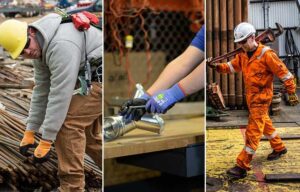 Wearing PPE correctly is as important as choosing the right equipment. Here’s why proper PPE use matters:
- Preventing Injuries and Accidents: PPE significantly reduces the risk of injuries such as head trauma, eye damage, hearing loss, respiratory problems, and cuts. It protects workers from both immediate and long-term health issues.
- Meeting Safety Regulations and Standards: Governments and safety authorities require businesses to provide and enforce the use of PPE. Proper PPE use ensures compliance with these regulations, avoiding penalties, legal issues, and project delays.
- Ensuring a Safe Work Environment for Everyone: When all workers use PPE properly, the overall safety level of the workplace improves. It fosters a culture of safety where employees look out for one another and reduce risks collectively.
Maintenance and Care of Construction Safety PPE
To stay effective, PPE must be regularly maintained and cared for.- Regular Inspection and Replacement: PPE should be inspected before every use. Look for cracks, tears, or signs of damage. Damaged PPE must be replaced immediately. Helmets, gloves, masks, and safety shoes all have a limited lifespan and should be replaced as needed.
- Proper Cleaning and Storage: PPE must be cleaned regularly to maintain hygiene and functionality. Store PPE in clean, dry areas away from direct sunlight, chemicals, or extreme temperatures. Storage in an appropriate manner reduces damage and increases the life of the equipment.