

Importance of Thermal Protective Safety Clothing
Safety clothing is more than just a uniform; it’s a shield that protects the body against life-threatening risks. Thermal protective safety clothing is particularly important in industries where workers operate near open flames, hot surfaces, or molten substances. Without adequate protection, even minor contact with extreme heat can lead to severe injuries, long-term health problems, or even fatal accidents. Thermal protective clothing helps reduce the risk of burns by reflecting radiant heat and preventing direct skin exposure. It also provides workers with confidence and peace of mind, allowing them to focus on their tasks without constantly worrying about potential dangers. In high-risk environments, safety clothing is not just protective gear—it is life-saving equipment.Benefits of High Quality Splash Protection Suits
A high-quality splash protection suit offers several benefits that go beyond basic safety. First, it minimizes the impact of accidental chemical or molten metal splashes, preventing burns, skin irritation, and long-term injuries. Second, these suits are made with superior fabrics that resist wear and tear, ensuring long service life. Finally, modern designs also incorporate features like breathability and lightweight construction, which keep workers comfortable during long hours of use. By investing in a high-quality suit, industries not only safeguard their workforce but also improve productivity. Workers who feel safe and comfortable are more efficient and less likely to make errors, which reduces downtime and increases overall workplace performance.Features of Aluminized Coveralls
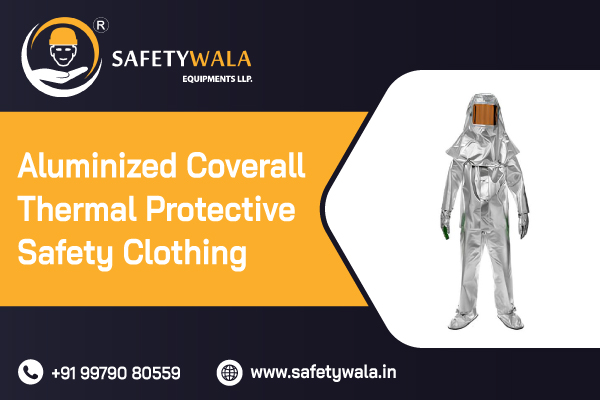
- Material Used in Construction: Aluminized coveralls are made using advanced fabrics such as aramid blends, fiberglass, or other heat-resistant fibers combined with an aluminized outer layer. This reflective aluminum layer acts as a shield, bouncing radiant heat away from the body. The inner layers are designed for insulation, moisture resistance, and comfort.
- Design Elements for Maximum Protection: The design of aluminized coveralls prioritizes safety and functionality. Features like reinforced stitching, secure closures, extended collars, and elastic cuffs help minimize exposure to dangerous elements. Many designs also include ventilation areas to prevent overheating, ensuring workers remain safe and comfortable throughout their shift.
- Durability and Longevity of the Garment: Unlike regular uniforms, aluminized coveralls are built to withstand some of the harshest environments. The durable fabrics resist abrasion, tearing, and chemical damage, ensuring long-lasting performance. With proper care, these garments maintain their protective qualities for an extended period, making them a cost-effective safety investment.
- Thermal Protection
How Aluminized Coveralls Provide Thermal Protection
The reflective surface of aluminized coveralls deflects up to 90% of radiant heat, preventing it from penetrating through to the skin. The inner insulating layers further protect the body by reducing heat transfer, even in high-temperature environments. This multi-layer protection system ensures workers can handle tasks near furnaces, kilns, or molten metals without severe risks.Industries Where Thermal Protection Is Crucial
- Steel plants and foundries: Workers handle molten metal at extremely high temperatures.
- Glass manufacturing: Protection is needed from both radiant heat and splashes of hot glass.
- Welding and cutting operations: Sparks, flames, and radiant heat require protective gear.
- Oil and gas refineries: Workers face fire and explosion hazards in high-heat zones.
Importance of Wearing Safety Clothing in High Temperature Environments
In environments where temperatures can soar beyond human tolerance, proper safety clothing is the only barrier between safety and life-threatening injury. Wearing aluminized coveralls ensures workers stay safe, reducing accident-related downtime, compensation claims, and health risks.Splash Protection
How Aluminized Coveralls Protect Against Splashes
The outer aluminized layer not only reflects heat but also acts as a barrier against molten metal splashes, hot liquids, and even certain chemical splashes. This dual protection makes aluminized coveralls highly versatile in hazardous workplaces.Workplace Hazards That Make Splash Protection Necessary
- Molten metal spills in foundries.
- Hot glass fragments in glass factories.
- Chemical splashes in processing plants.
- Steam and hot liquid splashes in refineries.
Benefits of Using Splash Protection Suits in Hazardous Environments
Using high-quality suits ensures workers remain protected against sudden, unexpected incidents. A well-designed splash protection suit reduces the severity of injuries, increases workplace safety standards, and builds confidence among employees. Ultimately, investing in quality suits is an investment in both worker safety and operational efficiency.Tips for Cleaning and Maintaining Aluminized Coveralls
- Always follow the manufacturer’s cleaning instructions.
- Avoid harsh chemicals or bleach, as they may damage the protective coating.
- Clean gently to remove dirt, dust, and residue without compromising the material.
- Regularly check for stains from chemicals or hot splashes that may weaken fabric.
Proper Storage Techniques to Prolong the Life of the Garment
- Store in a cool, dry place away from direct sunlight.
- Keep away from sharp objects to prevent accidental tears.
- Use protective covers or designated storage racks to maintain garment shape and quality.