
Key Takeaways
- Selecting the right work in suspension equipment enhances worker safety and boosts project efficiency.
- Consider project specifics like type, height, and access challenges when choosing suspension systems.
- Partnering with reliable Work In Suspension Suppliers in Ahmedabad ensures access to quality equipment and expertise.
- Evaluate safety features, worker capacity, and environmental conditions for optimal equipment selection.
- Regular training and inspections are crucial to maintain safety and productivity in height work operations.
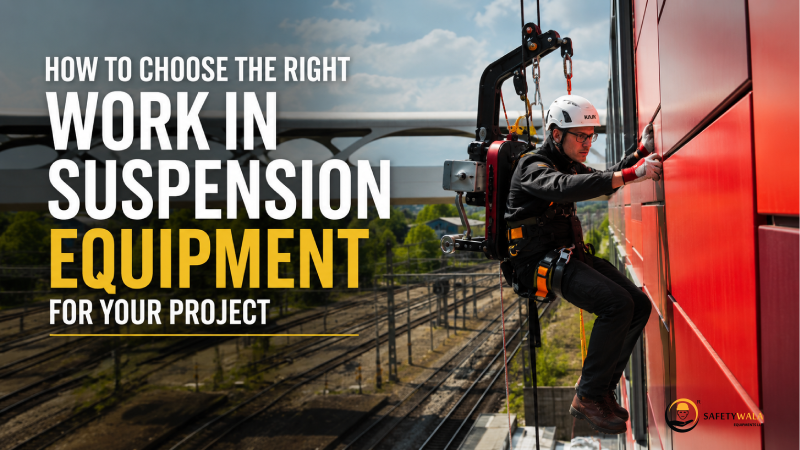
Working at height requires precision, safety, and the right equipment. Whether the task involves building maintenance, façade cleaning, inspection work, industrial maintenance, or construction activities, selecting suitable work in suspension equipment plays a major role in project success. The right suspension system improves worker safety, increases productivity, reduces operational risks, and helps projects meet industry standards.
Modern buildings and industrial structures often feature complex designs that make traditional access methods difficult. In such situations, work in suspension equipment offers a practical solution for reaching elevated work areas safely and efficiently. From rope access systems to suspended platforms and building maintenance units, every project has unique requirements that influence equipment selection. As one of the trusted Work In Suspension Suppliers in Ahmedabad, Safety Wala Equipment LLP understands the importance of choosing the right equipment for different applications.
Understanding Work in Suspension Equipment
Work in suspension equipment are systems used to ensure workers are securely suspended in areas elevated or hard to reach. These systems are found in building construction, repairs and maintenance, inspection and cleaning, and industrial processes.
The main purpose of suspension equipment is to create a safe, stable and secure working environment with the aim of reducing risks from working at height. Depending on the project needs, different types of suspension options can be selected from, matching different levels of mobility, capacity and access flexibility.
Reliable suspension systems are particularly valuable for projects involving:
- High-rise building maintenance
- Glass façade cleaning
- Industrial plant inspections
- Structural repairs
- Bridge maintenance
- Wind turbine servicing
- Exterior painting projects
- Installation of building components
Many organizations opt for work in suspension suppliers in Gujarat who have vast experience in the field to find out the most appropriate equipment for operational needs.
Why Choosing the Right Equipment Matters
Selecting inappropriate suspension equipment can lead to safety concerns, reduced efficiency, project delays, and increased operational costs. Every project presents unique challenges, making it essential to evaluate equipment specifications carefully.
The right equipment provides several advantages:
Enhanced Worker Safety
The key factor in any work-at-height application is safety. Appropriate suspension systems can minimize fall, stability and equipment failure risks.
Improved Productivity
Reliable access systems which provide easy access and stable positioning will allow workers to carry out their tasks more efficiently.
Cost Efficiency
When selecting equipment, it is essential to match the project requirements to ensure minimal downtime, maintenance costs, and operational disruptions.
Regulatory Compliance
There are many industries with specific safety requirements for working at height. These standards are met by application of suitable suspension equipment.
Types of Work in Suspension Equipment
Understanding available equipment options is the first step in selecting the right solution.
Rope Access Systems
Rope access systems provide trained staff with access to higher levels with the use of specific ropes, harnesses, and anchor points. They are very popular in inspection, maintenance and repair applications where flexibility is needed.
Benefits include:
- Minimal setup requirements
- Easy access to difficult locations
- Reduced equipment footprint
- Cost-effective operation
Building Maintenance Units (BMUs)
BMUs are permanently installed systems commonly found on high-rise buildings. They are designed for façade cleaning, inspection, and maintenance activities.
Advantages include:
- Reliable access for tall structures
- Long-term operational value
- Consistent safety performance
- Efficient building maintenance
Suspended Platforms
Suspended platforms provide workers with a stable platform suspended from the roof or structure. They are commonly used for construction, painting, and cleaning projects.
Benefits include:
- Larger working area
- Higher load capacities
- Suitable for multiple workers
- Efficient material handling
Climbing Rail Systems
Climbing rail systems enable workers to move vertically along installed rails while maintaining continuous safety connections.
Applications include:
- Industrial facilities
- Building façades
- Maintenance projects
- Access to confined elevated areas
Many businesses consult experienced Work In Suspension Suppliers in Ahmedabad when evaluating these systems for specialized projects.
Key Factors to Consider When Choosing Suspension Equipment
Project Type and Scope
The nature of the project significantly influences equipment selection.
Questions to consider include:
- What task will be performed?
- How long will the project last?
- How frequently will access be required?
- What areas need to be reached?
For example, a one-time inspection may require rope access equipment, while routine façade maintenance may justify investing in a building maintenance unit.
Height and Structure Design
Different structures present different access challenges. Equipment should be selected based on:
- Building height
- Architectural complexity
- Access limitations
- Roof configurations
- Structural load capacities
Complex façades often require flexible suspension solutions capable of reaching difficult locations safely.
Worker Capacity Requirements
The number of workers and equipment load requirements must be considered carefully.
Important factors include:
- Worker count
- Tools and equipment weight
- Material transportation needs
- Maximum load capacities
Choosing equipment with appropriate load ratings supports safe operations and improved efficiency.
Mobility and Accessibility
Some projects require workers to move frequently across large surfaces, while others involve stationary work positions.
Consider:
- Horizontal movement requirements
- Vertical access needs
- Access point availability
- Project flexibility requirements
Leading Work In Suspension Suppliers in Gujarat often recommend systems that provide optimal mobility without compromising safety.
Safety Features to Evaluate
Fall Protection Integration
Every suspension system should incorporate fall protection mechanisms.
Key features include:
- Full-body harness compatibility
- Shock absorbers
- Lifeline systems
- Secure anchorage points
Emergency Rescue Compatibility
Emergency planning is essential for work-at-height operations.
Equipment should support:
- Rapid rescue procedures
- Emergency descent systems
- Backup safety mechanisms
- Evacuation protocols
Durability and Material Quality
Work in suspension equipment often operates in demanding environments. High-quality materials improve performance and longevity.
Look for:
- Corrosion-resistant components
- Weather-resistant materials
- Robust construction
- Reliable engineering design
Safety Wala Equipment LLP focuses on providing dependable solutions that meet industry expectations for durability and safety.
Common Mistakes to Avoid
Selecting Equipment Based Solely on Price
Low-cost solutions may not provide the required safety, durability, or functionality.
Ignoring Site-Specific Requirements
Every project has unique access challenges. Equipment should be matched to actual site conditions.
Overlooking Worker Training
Lack of training can increase operational risks and reduce productivity.
Skipping Equipment Inspections
Regular inspections help identify wear, damage, and performance issues before they become serious concerns.
Choosing Inadequate Load Capacities
Equipment should comfortably support workers, tools, and materials without exceeding rated capacities.
Why Choose Us
Safety Wala Equipment LLP aims to deliver the best height access and suspension products to facilitate safe and efficient operations. We have a wealth of experience in the industry, a deep commitment to safety and a broad array of work in the suspension segment that allows us to guide businesses and help them choose a solution that meets the specific nature of the project. Our team is aware of the difficulties of working at height and can offer practical advice for clients to make informed decisions. Safety Wala Equipment LLP is one of the trusted Work In Suspension Suppliers in Ahmedabad and Work In Suspension Suppliers in Gujarat, dedicated to providing trustworthy products, expert service, and enduring value. From the construction industry to manufacturing, Safety Wala Equipment LLP is a trusted partner for businesses seeking dependable height access solutions that help promote a safer workplace environment and the successful completion of their projects.
Conclusion
Choosing the right work in suspension equipment requires careful evaluation of project requirements, safety standards, access challenges, worker capacity, environmental conditions, and long-term operational needs. A well-planned selection process helps improve safety, increase productivity, and reduce project risks. Organizations should prioritize certified equipment, proper training, regular maintenance, and professional guidance when planning work-at-height operations. By partnering with experienced suppliers and selecting equipment suited to the specific application, businesses can achieve safer and more efficient project outcomes. Safety Wala Equipment LLP continues to support organizations with reliable suspension solutions designed to meet modern workplace safety and access requirements.
Looking for the right work in suspension equipment for your project? Contact Safety Wala Equipment LLP today at +91 99790 80559 or email sales@safetywala.in
Frequently Asked Questions
What are the common types of work in suspension equipment?
Common types of work in suspension equipment include rope access systems, building maintenance units (BMUs), suspended platforms, and climbing rail systems. Each type serves different applications, providing unique benefits suited to specific project needs.
How do I choose the right work in suspension equipment for my project?
To choose the right work in suspension equipment, consider factors such as project type and scope, building height and structure design, worker capacity requirements, and safety features. Evaluating these elements ensures that the equipment meets specific access challenges and safety standards.
Why is it important to choose experienced work in suspension suppliers in Ahmedabad?
Choosing experienced work in suspension suppliers in Ahmedabad is crucial for ensuring you get equipment that meets industry standards and safety requirements. Experienced suppliers can provide valuable insights and recommendations tailored to your specific project needs.
What safety features should I look for in suspension equipment?
When selecting suspension equipment, look for safety features like fall protection integration, secure anchorage points, and compatibility with emergency rescue systems. These features enhance worker safety and ensure compliance with industry regulations.
How can I improve productivity with the right suspension equipment?
Improving productivity with the right suspension equipment involves selecting systems that provide easy and stable access for workers. Choosing reliable equipment minimizes downtime and operational disruptions, allowing tasks to be completed more efficiently.