
Workplace safety has become a crucial focus across industries, especially in environments where workers face high risks from fire, sparks, and explosions. Among the many protective solutions available, flame-resistant clothing stands out as one of the most effective ways to safeguard workers against life-threatening hazards. While helmets, gloves, and protective eyewear play vital roles, clothing that resists flames can make the difference between minor injuries and fatal accidents.
Fires and explosions remain one of the leading causes of workplace fatalities. According to global workplace safety reports, thousands of workers suffer burns annually due to fire-related accidents. In industries like oil and gas, electrical work, and construction, the lack of proper flame-resistant gear continues to contribute to tragic outcomes. This makes it clear that flame-resistant clothing is not just a compliance requirement but a life-saving necessity.
Flame-Resistant Clothing and How It Works
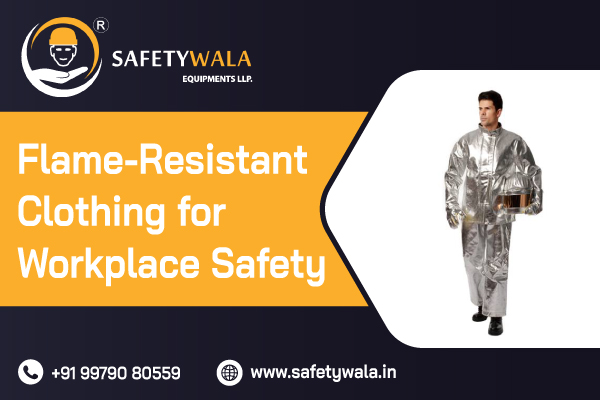
Flame-resistant (FR) clothing is specially designed to protect wearers from fire-related hazards. Unlike ordinary fabrics that easily ignite, FR clothing is engineered to self-extinguish once the heat source is removed. This reduces the severity of burns and provides precious seconds for workers to escape dangerous situations. Instead of melting or dripping when exposed to flames, FR fabrics form a protective barrier, insulating the skin from direct heat exposure. This design significantly lowers the risk of severe burn injuries.
Materials Used in the Construction of Flame-Resistant Clothing
FR clothing is made using advanced fabrics like:
- Aramid fibers (Nomex, Kevlar): Known for exceptional resistance to heat and flames.
- Treated cotton: Regular cotton that undergoes chemical treatment to provide flame resistance.
- Modacrylic fibers: Soft, durable, and resistant to ignition, often blended with cotton.
- Carbon-based fibers: Provide high strength and stability at elevated temperatures.
Each material offers unique benefits, but the ultimate goal is consistent—providing maximum protection while ensuring comfort and durability for the wearer.
Industries That Benefit from Flame-Resistant Clothing
- Oil and Gas Industry: Workers in the oil and gas sector frequently face exposure to flammable gases, vapors, and liquids. A small spark can result in massive explosions. FR clothing is mandatory in these environments to minimize injuries and increase survival chances during fire-related accidents.
- Construction Industry: Construction sites often involve welding, cutting, and the use of heavy electrical equipment. Sparks, hot metals, and combustible materials increase fire risks. Wearing FR clothing provides a reliable layer of defense, ensuring construction workers remain safe while performing high-risk tasks.
- Firefighters: For firefighters, flame-resistant clothing is not optional but essential. Their daily duties involve walking directly into fire zones. FR gear, combined with thermal insulation, shields them from extreme heat, burns, and toxic flames, allowing them to perform rescues safely.
- Electrical Workers: Electrical workers deal with arc flashes and short circuits, which can cause sudden bursts of high-intensity flames. FR clothing protects against arc flash injuries, ensuring that workers can carry out their duties without constant fear of severe burns.
- Benefits of Flame-Resistant Clothing
- Protection from Burns and Other Injuries- The primary benefit of FR clothing is its ability to minimize burns and related injuries. Forming a protective barrier, it drastically reduces the direct impact of flames on the skin.
- Increased Chances of Survival in a Fire or Explosion- Survival often depends on seconds. FR clothing provides those crucial moments to escape by reducing burn intensity. This significantly improves the likelihood of survival during explosions or sudden fire outbreaks.
- Compliance with Safety Regulations and Standards
- Many governments and industries mandate the use of flame-resistant clothing. Wearing FR gear ensures compliance with occupational safety standards, avoiding penalties while prioritizing worker well-being.
Tips for Choosing and Maintaining Flame-Resistant Clothing
- Proper Fit and Sizing: The effectiveness of FR clothing depends on its fit. Clothes that are too loose can get caught in machinery, while overly tight garments may restrict movement. Choosing the correct size ensures safety and comfort.
- Cleaning and Care Instructions: Proper care extends the lifespan of FR clothing. Use mild detergents, avoid bleach, and wash separately from regular clothing. Never use fabric softeners as they can weaken flame resistance. Air drying or tumble drying on low heat is recommended.
- Replacement Guidelines: Even high-quality FR clothing wears out over time. Replace garments if they show signs of thinning, tearing, or reduced effectiveness. It’s essential not to compromise on safety by wearing damaged or expired clothing.
Why Choose Safety Wala Equipments LLP?
When it comes to protecting workers in high-risk industries, choosing the right flame-resistant clothing supplier is crucial. Safety Wala Equipments LLP is a trusted name and the leading fire resistant clothing supplier in Gujarat, offering certified and durable protective garments that meet international safety standards. Their wide range of products includes FR shirts, trousers, coveralls, and fire resistant suits in Gujarat, ensuring complete protection for workers exposed to fire hazards. Designed for comfort, durability, and reliability, these garments not only safeguard lives but also allow freedom of movement for daily work activities.
Industries such as oil and gas, construction, firefighting, and electrical sectors rely on Safety Wala Equipments LLP to provide high-quality solutions that reduce the risk of injuries and fatalities from fire and explosions. By acting as a shield, flame-resistant clothing enhances survival chances and ensures compliance with strict safety regulations. With years of expertise, timely delivery, and affordable pricing, Safety Wala Equipments LLP ensures every workplace gets the right protection without compromise. For businesses and workers looking to buy durable FR gear, choosing the best flame-resistant clothing supplier is an investment in safety, comfort, and long-term workplace security.
Conclusion
Flame-resistant clothing is more than just protective gear—it is a life-saving necessity for workers in high-risk industries. From oil and gas to construction, firefighting, and electrical work, the presence of FR garments significantly reduces injuries and fatalities caused by fire and explosions. By acting as a shield, these garments protect workers from burns, enhance survival chances, and ensure compliance with safety regulations. Maintaining and properly caring for flame-resistant clothing ensures long-lasting protection and comfort.
For industries looking to safeguard their workforce with reliable protective clothing, the solution is clear—invest in flame-resistant clothing that ensures both safety and comfort. Contact us for more info about flame-resistant clothing at +91 99790 80559 or email us at sales@safetywala.in
FAQ
Why is flame-resistant clothing important for workplace safety?
Flame-resistant clothing is essential because it protects workers from severe burns, injuries, and fatalities caused by fire, sparks, and explosions. It creates a self-extinguishing barrier, reducing risks and giving workers extra time to escape hazardous situations safely.
What industries require flame-resistant clothing the most?
Industries such as oil and gas, construction, electrical work, welding, and firefighting require flame-resistant clothing. These sectors face higher risks of fire, arc flashes, and explosions, making protective gear crucial for ensuring worker safety and compliance with industry standards.
How does flame-resistant clothing work during a fire?
Flame-resistant clothing resists ignition, self-extinguishes when the heat source is removed, and prevents melting or dripping. It forms a protective barrier that limits burn injuries, giving workers more time to escape fire or explosion-related dangers in the workplace.
What materials are commonly used in flame-resistant clothing?
Flame-resistant clothing is made from advanced fabrics like aramid fibers, modacrylics, carbon-based fibers, and treated cotton. These materials are engineered to withstand heat, resist ignition, and provide long-lasting protection while ensuring comfort and durability for everyday industrial use.
How long does flame-resistant clothing last?
The lifespan of flame-resistant clothing depends on fabric type, usage, and care. On average, well-maintained FR clothing lasts 1–3 years. Regular inspections for thinning, tears, or reduced effectiveness help determine when replacement is necessary for continued protection.
Can flame-resistant clothing be washed at home?
Yes, flame-resistant clothing can be washed at home using mild detergents and cold or warm water. Avoid bleach, fabric softeners, and high-heat drying, as these can damage protective qualities. Always follow manufacturer instructions for maximum durability and effectiveness.
Is flame-resistant clothing comfortable for daily wear?
Modern flame-resistant clothing is designed for comfort, with lightweight fabrics, breathable materials, and ergonomic fits. Many garments combine safety with flexibility, ensuring workers can move freely and stay comfortable throughout long work shifts without compromising protection or performance.
Does flame-resistant clothing comply with safety standards?
Yes, certified flame-resistant clothing meets international and industry safety standards, including NFPA, OSHA, and ASTM guidelines. Wearing compliant gear ensures workers are protected against fire hazards while helping organizations meet workplace safety regulations and avoid costly penalties.
How should I choose the right flame-resistant clothing?
When choosing FR clothing, consider workplace risks, fabric type, safety certifications, fit, and durability. Select garments that balance comfort with protection. Consult suppliers for expert guidance to ensure the chosen clothing meets both safety requirements and worker needs.
When should flame-resistant clothing be replaced?
Flame-resistant clothing should be replaced when it shows thinning fabric, holes, tears, or reduced resistance after repeated washes. Regular inspections ensure maximum protection. Compromised clothing should never be worn, as damaged gear cannot provide adequate workplace safety.