
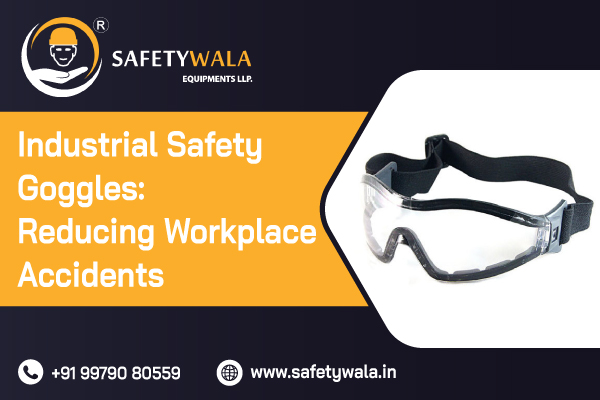
Eyes are small, but the damage from a single accident can be life-changing. Sparks, dust, metal chips, chemical splashes, and harsh light sources can injure workers in seconds. Industrial safety goggles create a protective barrier between hazards and eyesight, reducing the risk of injury while allowing people to work with confidence and precision. When the right goggles are selected, fitted, and maintained, they prevent minor irritations, serious injuries, and costly downtime.
Why industrial safety goggles matter
Across factories, workshops, labs, and construction sites, eye injuries are among the most frequent recordable incidents. Many happen during routine tasks like grinding, mixing chemicals, cutting tiles, or transferring pressurized fluids. Studies from safety organizations consistently suggest that most workplace eye injuries—often estimated at up to 90%—are preventable with correct eye protection, proper training, and consistent enforcement. The takeaway is clear: protective eyewear is one of the simplest, most effective ways to cut accident rates. This blog explains the benefits of industrial safety goggles, the types available, how to select the right pair for your job, what regulations expect from employers, and how to use and maintain goggles for long service life. The goal is simple: help you reduce accidents and keep vision safe.
Benefits of Industrial Safety Goggles
- Protection from flying debris and particles: Grinding wheels shed fragments, saw blades throw chips, and compressed air can turn dust into high-speed projectiles. Industrial safety goggles form a sealed or semi-sealed shield that blocks particles from reaching the eyes. Impact-rated lenses resist cracking, and wraparound or full-seal designs prevent lateral entry. With the correct lens thickness and frame design, workers can grind, cut, drill, or sand with far less risk.
- Shield against chemical splashes and fumes: Many jobs involve solvents, acids, bases, oils, or disinfectants. Even a small splash can burn or scar eye tissue. Chemical-resistant goggles use soft, conforming face seals and indirect ventilation to keep liquid droplets and irritating vapors away from the eyes while still allowing airflow to minimize fogging. When paired with face shields for high-risk transfers, they create layered protection.
- Prevention of eye strain and fatigue: Protection is not only about impacts and splashes. Glare from polished metal, UV from welding arcs, IR from furnaces, and bright LED inspection lights can strain eyes and reduce accuracy. Anti-glare coatings, UV/IR-filtering tints, and blue-light-attenuating lenses help workers see more comfortably. Less squinting and fewer headaches mean better focus, steadier hands, and higher productivity.
- Types of Industrial Safety Goggles
Styles and designs
- Direct-vent goggles: Slots or holes allow airflow to reduce fogging in dry, dusty environments. Best for impact hazards without liquid splash.
- Indirect-vent goggles: Baffled vents let air circulate while blocking liquids. Ideal for chemical handling and light mist environments.
- Non-vented (sealed) goggles: Fully sealed to defend against splash, fine mists, and fumes. Often used with respirators or in high-exposure zones.
- Over-spectacle (OTG) goggles: Designed to fit comfortably over prescription glasses without pressure points.
- Integrated face-shield systems: Combine goggles with face shields for added protection against large splashes, sparks, or flying debris.
Choosing the right type for your task
- Cutting, grinding, chiseling: Impact-rated, wraparound or indirect-vent goggles.
- Chemical mixing and decanting: Indirect-vent or sealed goggles with chemical-resistant seals.
- Spray painting and cleaning: Sealed goggles to block aerosol droplets; anti-fog coatings are crucial.
- Hot work or furnace observation: Lenses with appropriate IR/UV filtration; check shade levels for your process.
- Healthcare and labs: Splash-resistant, comfortable seals and anti-fog performance for long wear times.
Features to look for in quality safety goggles
- Impact rating: Look for verified high-impact performance appropriate for your tools and materials.
- Lens material: Polycarbonate for light weight and strong impact resistance; acetate for better chemical and solvent resistance; specialized filters for optical hazards.
- Coatings: Dual-action anti-fog/anti-scratch coatings extend clarity and lens life.
- Seal and comfort: Soft, hypoallergenic seals conform to the face; adjustable straps maintain fit without pressure.
- Optical clarity: Distortion-free lenses reduce eye fatigue and improve precision.
- Compatibility: Fit with helmets, hard hats, respirators, or hearing protection without interference.
Eye protection guidelines in the workplace
Safety standards require that eye protection match the hazard. Impact, splash, dust, optical radiation, and molten metal each call for specific performance criteria. Employers must evaluate risks, select compliant eyewear, fit workers correctly, and train on use and care. Documentation of hazard assessments and PPE selection is an essential part of a strong safety program.
Employer responsibilities
- Provide appropriate goggles at no cost where hazards exist.
- Ensure fit testing and training so workers know when and how to wear them.
- Maintain and replace damaged or worn goggles.
- Enforce consistent use through supervision, signage, and culture.
When employers prioritize eye safety, incident rates fall, morale improves, and insurance and downtime costs decrease.
Consequences of non-compliance
Ignoring protective eyewear requirements exposes people to preventable injuries and organizations to penalties, legal claims, and reputational harm. Lost-time incidents disrupt schedules, raise costs, and may trigger audits or increased oversight. Compliance is not just a rule; it’s a business essential.
Tips for Proper Use and Maintenance
Fit and adjustment
- Size and seal: Goggles should sit flush on the face with no gaps at the nose, cheeks, or temples.
- Strap tension: Snug but comfortable; too tight causes pressure points and fogging, too loose creates gaps.
- Compatibility check: Ensure goggles work with hard hats, masks, or respirators. Perform a quick head-turn and nod test—no slipping or shifting.
Cleaning and storage
- Rinse first: Remove grit with gentle water to avoid scratching.
- Mild soap only: Harsh chemicals can damage coatings and seals.
- Pat dry with microfiber: Avoid paper towels that can scratch lenses.
- Air dry fully: Store dry to prevent mold or odor.
- Protective case: Use a pouch or case to keep lenses clean and scratch-free.
- Avoid heat and sunlight: High temperatures and UV can warp frames and degrade seals.
Inspections and replacements
- Before use: Check for cracks, deep scratches, loose straps, or cloudy coatings.
- After incidents: Replace any goggles hit by high-energy impacts or exposed to corrosive chemicals.
- Lifecycle planning: Track use conditions; even high-quality goggles will need regular replacement to maintain clarity and protection.
Real-World Selection Guide
- Construction and carpentry- Choose impact-rated, anti-fog, indirect-vent goggles that fit under or around a hard hat. Look for wide straps and comfortable seals for all-day wear.
- Metal fabrication and workshop grinding- Use high-impact, wraparound goggles or integrated shield systems. Anti-scratch coatings extend lens life where flying sparks and metal chips are common.
- Chemical processing and cleaning- Sealed or indirect-vent goggles with chemical-resistant seals and acetate lenses. Pair with face shields during bulk transfers or pressure-line work.
- Laboratories and healthcare- Lightweight, anti-fog goggles with excellent optical clarity and comfortable seals. Disinfect regularly and assign personal units to each user.
- Food industry and sanitation- Fog-resistant, easy-to-clean lenses with smooth surfaces that resist buildup. Select models that work with hairnets, caps, and masks.
- High-heat observation and foundries- Goggles with appropriate IR/UV filtration. Confirm shade levels and compatibility with heat hoods or aluminized gear.
Building a Culture of Eye Safety
- Hazard-aligned PPE: Match goggles to each task’s highest foreseeable risk.
- Training: Teach workers how to fit, clean, and store goggles—and why consistency matters.
- Accessibility: Keep clean spares available at points of use to remove excuses for non-compliance.
- Supervision and feedback: Encourage reporting of fogging, discomfort, or interference so you can switch models or adjust fit.
- Metrics: Track near-misses and incidents to evaluate which styles and policies work best.
Why Choose Safety Wala Equipments LLP?
When it comes to workplace safety, selecting the right protective eyewear is a priority for every industry. Eye injuries can result from flying debris, sparks, dust, chemicals, and harmful light. The best way to prevent such risks is by using certified, durable, and high-performance safety goggles designed for specific tasks. Safety Wala Equipments LLP is the trusted name in Ahmedabad, Gujarat, well-known for supplier and dealer for the best industrial safety goggles that meet international safety standards. As a leading industrial safety goggles supplier in Gujarat, the company provides a wide range of protective eyewear, including impact-rated, anti-fog, and chemical-resistant models.
Each product is carefully designed to ensure maximum comfort, durability, and compatibility with helmets, respirators, and face shields. Whether it’s construction, welding, manufacturing, or laboratory applications, industries can find customized solutions to safeguard their workforce effectively. Being a reliable partner for safety, the company also assists clients with proper selection guidance, fit testing, and maintenance plans, ensuring long-term usability and cost-effectiveness. For businesses that prioritize worker safety and compliance, Safety Wala Equipments LLP stands as the most dependable choice for industrial safety goggles in Gujarat.
Conclusion
Vision is priceless. Investing in quality industrial safety goggles costs far less than a single avoidable injury. Turn eye protection into a daily habit, support it with good training and maintenance, and you will see the benefits in safety, productivity, and peace of mind. Contact us for more info about industrial safety goggles +91 99790 80559, Mail Us sales@safetywala.in.
FAQ
What are industrial safety goggles used for?
Industrial safety goggles protect eyes from flying debris, dust, chemical splashes, and harmful light. They reduce the risk of accidents and ensure safe, clear vision for workers handling heavy machinery, chemicals, construction tasks, or hot industrial processes.
Why are industrial safety goggles important in workplaces?
Workplace eye injuries can cause lasting damage, downtime, and expensive treatments. Industrial safety goggles create a barrier against common hazards like particles, sparks, and splashes, significantly lowering accident risks and ensuring workers remain safe, productive, and confident during tasks.
Which industries require industrial safety goggles the most?
Industries such as construction, welding, manufacturing, chemical processing, glassworks, food handling, and laboratories rely heavily on safety goggles. Any job involving exposure to sharp debris, intense light, or hazardous liquids demands protective eyewear to safeguard workers’ eyes from injury.
What types of industrial safety goggles are available?
Goggles come in styles like direct-vent for dust, indirect-vent for chemical splash protection, sealed goggles for fumes, OTG goggles for use over prescription glasses, and specialized models with anti-fog coatings or UV/IR filters for high-heat or welding tasks.
How do industrial safety goggles protect against chemical splashes?
Chemical-resistant goggles feature soft, sealed frames and indirect ventilation systems that block liquid splashes and harmful vapors from reaching eyes. Their design ensures comfort while maintaining an airtight barrier, making them vital for labs, refineries, and chemical-processing industries.
What certifications should quality safety goggles meet?
Reliable safety goggles should meet standards like EN 166 for eye protection, EN 170/172 for UV/IR filters, or ANSI Z87.1 for impact resistance. Certified goggles assure users that they meet recognized international safety requirements for various workplace hazards.
Do safety goggles prevent eye strain and fatigue?
Yes, advanced goggles with anti-glare coatings, UV/IR protection, or blue-light filters reduce eye strain caused by intense light or prolonged focus. Comfortable, distortion-free lenses improve visibility and reduce fatigue, helping workers maintain accuracy, efficiency, and comfort during long shifts.
How should industrial safety goggles be maintained?
Clean lenses with mild soap and water, avoid harsh chemicals, and dry with a soft microfiber cloth. Store goggles in protective cases, away from heat or sharp objects. Regular cleaning and safe storage extend their lifespan and effectiveness.
How often should industrial safety goggles be replaced?
Replace goggles immediately if scratched, cracked, or damaged. Regularly inspect straps, seals, and lenses for wear. Even without visible damage, frequent-use goggles may require replacement every six to twelve months to maintain clear vision and consistent protection.
Why should businesses invest in high-quality industrial safety goggles?
High-quality goggles provide reliable protection, durability, and comfort, reducing workplace injuries and downtime. They improve worker confidence and productivity, while ensuring compliance with safety regulations. Investing in premium eyewear safeguards employees’ vision and demonstrates a strong commitment to workplace safety.